In brief
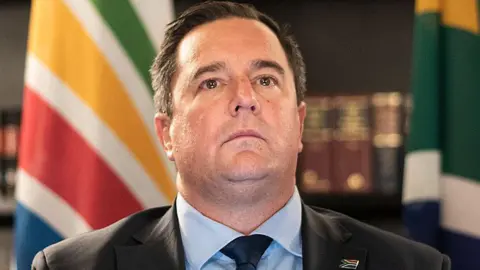
John Steenhuisen, leader of the Democratic Alliance (DA), has declared he will not pursue re-election in April 2026. His decision comes amid various controversies and challenges within the party and his current role as agriculture minister. Steenhuisen has been in charge since 2019 and was expected to run for another term. The DA's relationship with its coalition partner, the African National Congress (ANC), may now face instability following his exit.
In a significant political shift within South Africa, John Steenhuisen, the leader of the Democratic Alliance (DA), has announced he will not seek re-election as party leader in the upcoming April elections. This decision raises questions about the future stability of the coalition government.
The DA, recognized as South Africa's second largest political party, recently formed a historic coalition with its traditional rival, the African National Congress (ANC), following the ANC's loss of parliamentary majority in 2024.
Steenhuisen, who took the reins of the pro-business DA in 2019, currently serves as the agriculture minister in President Cyril Ramaphosa's administration. Initially expected to run for re-election, his bid was hindered by various controversies that have emerged during his tenure.
During a recent press conference, the 49-year-old expressed his intention to focus on his role as agriculture minister, particularly addressing the severe foot-and-mouth disease outbreak affecting livestock across the nation. For the rest of this term of office, I will focus all of my time and energy as minister of agriculture on defeating the most devastating foot-and-mouth disease outbreak our country has ever seen, he stated.
Steenhuisen began his political career at the age of 22 when he was elected to the council of Durban for the Democratic Party, the predecessor of the DA. His political journey has seen him rise from local to national leadership over two decades.
Reports indicate that Steenhuisen's decision not to run for re-election stemmed from a variety of issues, including a fallout with ex-Environment Affairs Minister Dion George and concerns related to his handling of party resources. He faced criticism for his management during the ongoing foot-and-mouth crisis, with farmers alleging that his department has become an obstacle during this challenging time.
The foot-and-mouth disease outbreak, which has severely impacted South Africa's livestock industry, has proved difficult to control, affecting many provinces across the country. The disease causes painful blisters and can diminish the yield and value of affected animals.