In brief
Knysna, a beloved tourist resort in South Africa, is on the brink of a water crisis due to aging infrastructure and severe drought. Officials estimate that around 55% of the town's drinking water is lost to leaks, while residents are now limited to 50 liters of water per person per day. Emergency measures are being implemented, including water restrictions and financial aid from the national government, to prevent 'day zero' from becoming a reality.
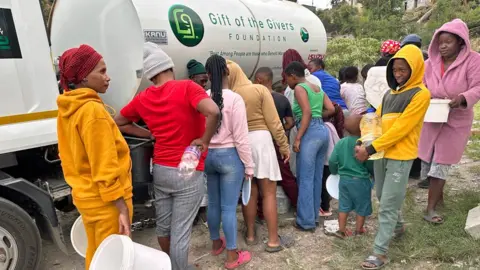
Fears that the taps in the South African tourist resort of Knysna, with its turquoise water, sandy beaches, and pleasant weather, could soon run dry - a moment known as 'day zero' - have prompted a state of disaster to be declared. It is a scary prospect for the 100,000 residents who live in an area situated along South Africa's famous Garden Route, a 150km (93-mile) stretch of seaside towns with forested and mountainous scenery on the southern coast. However, it is the latest South African town to be hit by a severe water crisis, caused by the failure to maintain infrastructure and changing weather patterns. Beneath the pretty veneer of Knysna - which is also a retirement haven for more affluent South Africans - its water system is on the brink of collapse. Official estimates suggest that around 55% of the town's drinkable water is lost to leaking pipes. The situation has been exacerbated by a drought that has led to a sharp drop in water levels at the main storage dam, with the Akkerkloof dam holding only 20 days' worth of water reserves when visited last week. Authorities have implemented water restrictions to curb usage and have received emergency funding to address infrastructure issues. As the town prepares for the worst, non-governmental organizations are also stepping in to provide water to those in need, highlighting the community's resilience amidst looming challenges.