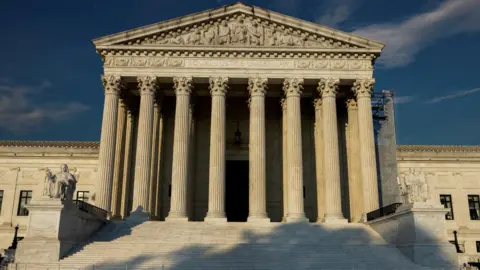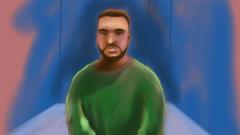
In a significant legal case grabbing national attention, Tyler Robinson, the 22-year-old Utah native facing charges for the aggravated murder of conservative activist Charlie Kirk, made his first physical appearance in court. His legal team is actively requesting to limit media access, raising concerns that the rising tide of sensational coverage could jeopardize his right to a fair trial. Judge Tony Graf is tasked with balancing the media's right to cover public interest stories against Robinson's constitutional protections.
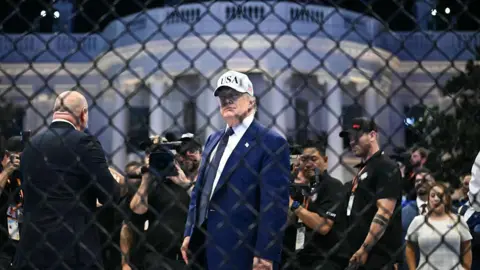
Kirk, known for his alignment with right-wing politics and his efforts to mobilize young voters, was shot on September 10 at a public university event, shocking the community and igniting widespread media coverage. Following his arrest, prominent figures including former President Donald Trump commented publicly on the matter, adding to the publicity storm surrounding the case.
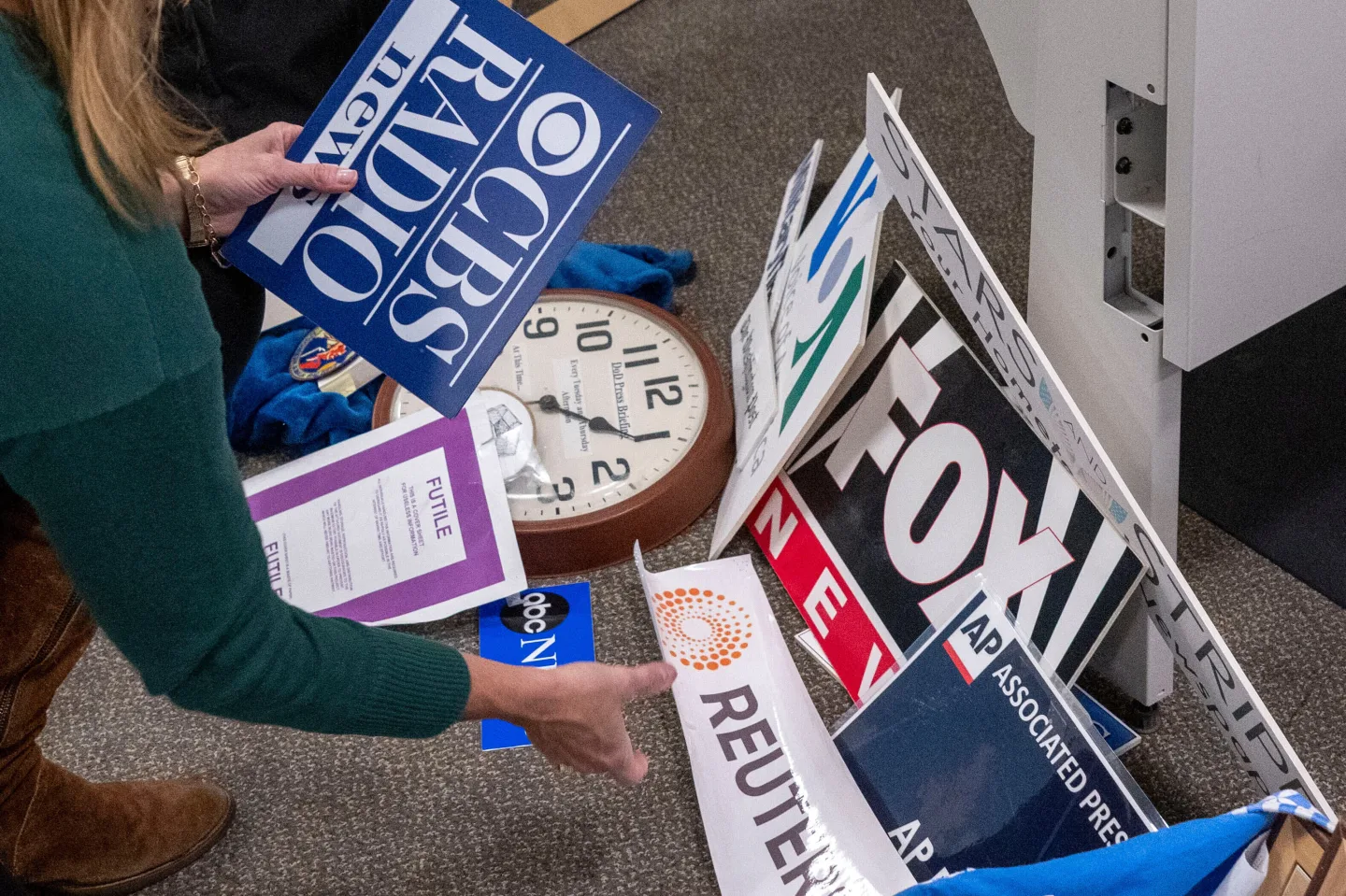
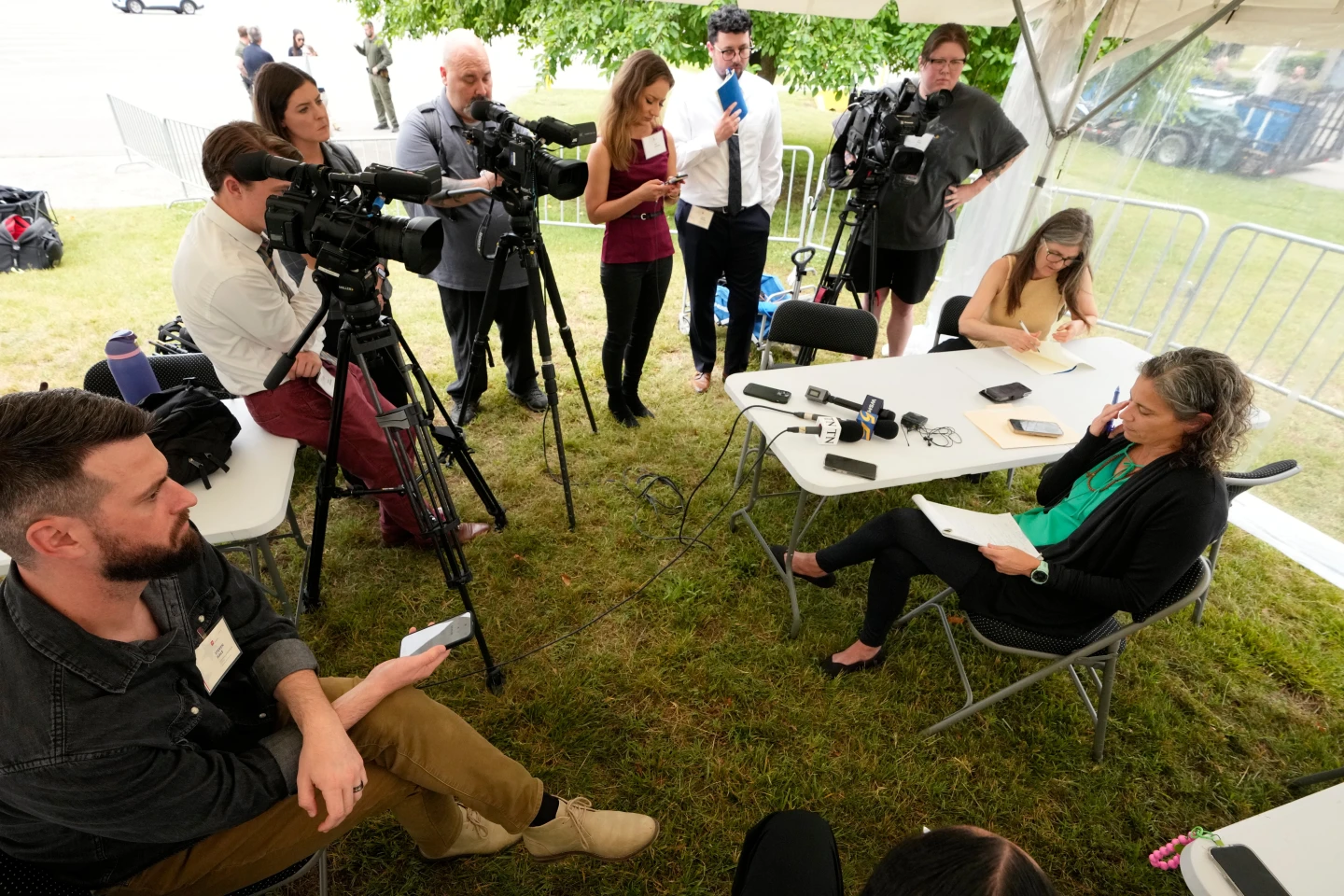
Robinson's attorneys are advocating for restrictions on courtroom cameras and excess journalists to preserve the integrity and privacy of the judicial process. Meanwhile, a coalition of media representatives argues that maintaining open courtroom access is essential for public accountability and trust in the judicial system.
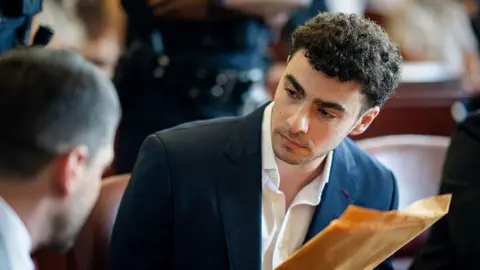
In court, Robinson appeared subdued, dressed in formal attire but restrained due to security concerns. His family was visibly emotional in the courtroom as the gravity of the situation sank in.
While discussions surrounding restrictive measures in media access continue, advocates for transparency assert that allowing the public to witness the proceedings can only bolster the legitimacy of the judicial outcome. As the case unfolds, the debate surrounding the balance of media rights and the defendant's fair trial rights remains a focal point of concern.
Kirk, known for his alignment with right-wing politics and his efforts to mobilize young voters, was shot on September 10 at a public university event, shocking the community and igniting widespread media coverage. Following his arrest, prominent figures including former President Donald Trump commented publicly on the matter, adding to the publicity storm surrounding the case.
Robinson's attorneys are advocating for restrictions on courtroom cameras and excess journalists to preserve the integrity and privacy of the judicial process. Meanwhile, a coalition of media representatives argues that maintaining open courtroom access is essential for public accountability and trust in the judicial system.
In court, Robinson appeared subdued, dressed in formal attire but restrained due to security concerns. His family was visibly emotional in the courtroom as the gravity of the situation sank in.
While discussions surrounding restrictive measures in media access continue, advocates for transparency assert that allowing the public to witness the proceedings can only bolster the legitimacy of the judicial outcome. As the case unfolds, the debate surrounding the balance of media rights and the defendant's fair trial rights remains a focal point of concern.