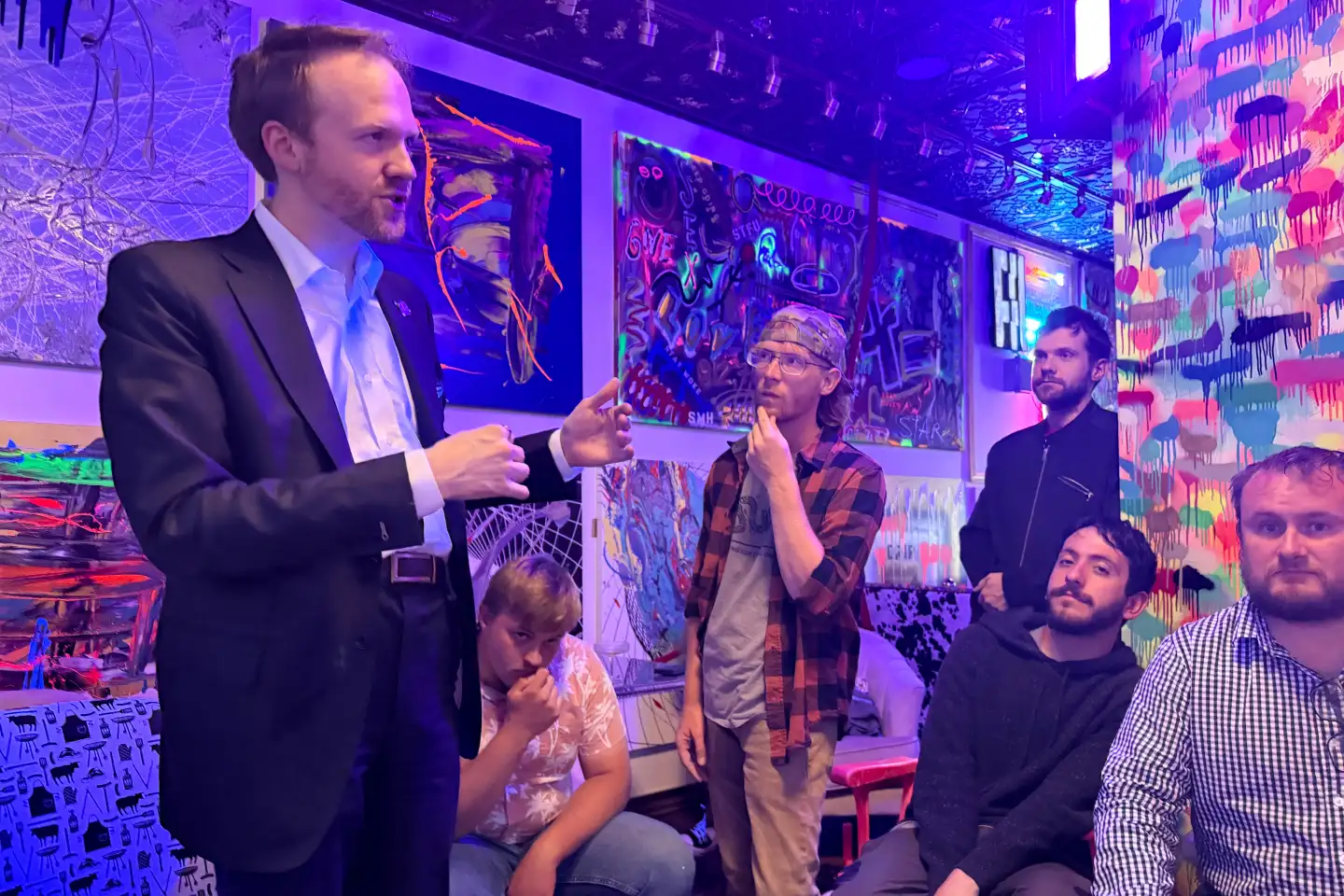
In the shadow of ancient totem poles overlooking the Pacific Northwest coast, a gathering of young Indigenous leaders convened at the traditional community hall in Haida Gwaii. The air was thick with cedar smoke and the rhythmic drumming of ancestors, as young people spoke not of political factions but of vanishing languages and sacred lands under threat.
'The elders told us to protect these lands like we protect our heartbeats,' said Kaela Wolf, 28, a Tlingit linguist documenting endangered oral histories. 'But when the logging company cut through the forest this spring, the elders wept. We watched the cedar groves that held our creation stories crumble to dust.'
Their frustration mirrors a growing crisis: 65% of Indigenous languages are endangered, and over 300 sacred sites face development pressure according to the National Congress of American Indians. Yet this isn't just about land protection—it's about cultural annihilation. As Kaela explained, 'When they destroy the land, they destroy the stories. Our children no longer hear the songs of the salmon or the teachings of the first people.'
The generational divide crystallized when community members witnessed traditional knowledge bearers like Grandmother Nisha Tlingit being silenced by corporate consultants. 'I remember her teaching us to read the stars to navigate the sea,' said young activist Elias Bear, 30, his voice trembling. 'Now they want me to use GPS instead of the ocean's rhythm. What does that mean for knowing our place in the world?'
This disillusionment echoes the struggle seen in the Standing Rock protests and the Wet'suwet'en resistance to pipeline projects. But here in Haida Gwaii, the fight is more personal—the same land that birthed their ancestors now faces destruction from the new Coastal Pipeline Project.
'This isn't a political issue,' Elias continued, gesturing toward the smoking forest beyond the hall. 'It's about the stories we carry in our bones. When the old groves fall, the language that names the wind dies with it.'
The young leaders are demanding a paradigm shift: governance that centers Indigenous knowledge over extractive policies. They point to the successful integration of traditional fire management in the 2023 wildfires, where controlled burns prevented catastrophic losses.
Kaela shared how her community developed a new covenant with land stewardship groups, using ancient water mapping techniques to create sustainable aquaculture systems. 'We're not rejecting modern tools,' she said, 'but ensuring they serve our ancestral purpose. When the ocean is treated as a living teacher, not just a resource, we rebuild our relationship with it.'
The movement has gained momentum through community-led initiatives like the 'Seeds of Memory' project, where elders teach language through augmented reality applications that overlay ancestral stories onto contemporary landscapes. 'Technology can bridge generations,' explained 22-year-old activist Maya Raven, who created the app. 'But only if it honors the knowledge that's already here.'
This isn't merely about preservation—it's about resurgence. As Grandmother Nisha taught: 'When the land remembers us, we remember our purpose.' The young leaders are proving that when Indigenous sovereignty is prioritized, both the land and culture can heal.
'This is why I fight,' said Elias, his hand resting on a carved stone. 'Not for some abstract 'land rights' idea—but for the right to say, 'This forest holds my grandmother's spirit, this river is my mother's breath.' When we reclaim that voice, the land remembers us too.'
Their movement has inspired similar coalitions from the Pacific Coast to the Great Plains, weaving together ancient wisdom with modern advocacy. As Kaela noted, 'We're not saving our culture—we're reclaiming it. And in doing so, we're saving the world that holds us all.'}
'The elders told us to protect these lands like we protect our heartbeats,' said Kaela Wolf, 28, a Tlingit linguist documenting endangered oral histories. 'But when the logging company cut through the forest this spring, the elders wept. We watched the cedar groves that held our creation stories crumble to dust.'
Their frustration mirrors a growing crisis: 65% of Indigenous languages are endangered, and over 300 sacred sites face development pressure according to the National Congress of American Indians. Yet this isn't just about land protection—it's about cultural annihilation. As Kaela explained, 'When they destroy the land, they destroy the stories. Our children no longer hear the songs of the salmon or the teachings of the first people.'
The generational divide crystallized when community members witnessed traditional knowledge bearers like Grandmother Nisha Tlingit being silenced by corporate consultants. 'I remember her teaching us to read the stars to navigate the sea,' said young activist Elias Bear, 30, his voice trembling. 'Now they want me to use GPS instead of the ocean's rhythm. What does that mean for knowing our place in the world?'
This disillusionment echoes the struggle seen in the Standing Rock protests and the Wet'suwet'en resistance to pipeline projects. But here in Haida Gwaii, the fight is more personal—the same land that birthed their ancestors now faces destruction from the new Coastal Pipeline Project.
'This isn't a political issue,' Elias continued, gesturing toward the smoking forest beyond the hall. 'It's about the stories we carry in our bones. When the old groves fall, the language that names the wind dies with it.'
The young leaders are demanding a paradigm shift: governance that centers Indigenous knowledge over extractive policies. They point to the successful integration of traditional fire management in the 2023 wildfires, where controlled burns prevented catastrophic losses.
Kaela shared how her community developed a new covenant with land stewardship groups, using ancient water mapping techniques to create sustainable aquaculture systems. 'We're not rejecting modern tools,' she said, 'but ensuring they serve our ancestral purpose. When the ocean is treated as a living teacher, not just a resource, we rebuild our relationship with it.'
The movement has gained momentum through community-led initiatives like the 'Seeds of Memory' project, where elders teach language through augmented reality applications that overlay ancestral stories onto contemporary landscapes. 'Technology can bridge generations,' explained 22-year-old activist Maya Raven, who created the app. 'But only if it honors the knowledge that's already here.'
This isn't merely about preservation—it's about resurgence. As Grandmother Nisha taught: 'When the land remembers us, we remember our purpose.' The young leaders are proving that when Indigenous sovereignty is prioritized, both the land and culture can heal.
'This is why I fight,' said Elias, his hand resting on a carved stone. 'Not for some abstract 'land rights' idea—but for the right to say, 'This forest holds my grandmother's spirit, this river is my mother's breath.' When we reclaim that voice, the land remembers us too.'
Their movement has inspired similar coalitions from the Pacific Coast to the Great Plains, weaving together ancient wisdom with modern advocacy. As Kaela noted, 'We're not saving our culture—we're reclaiming it. And in doing so, we're saving the world that holds us all.'}