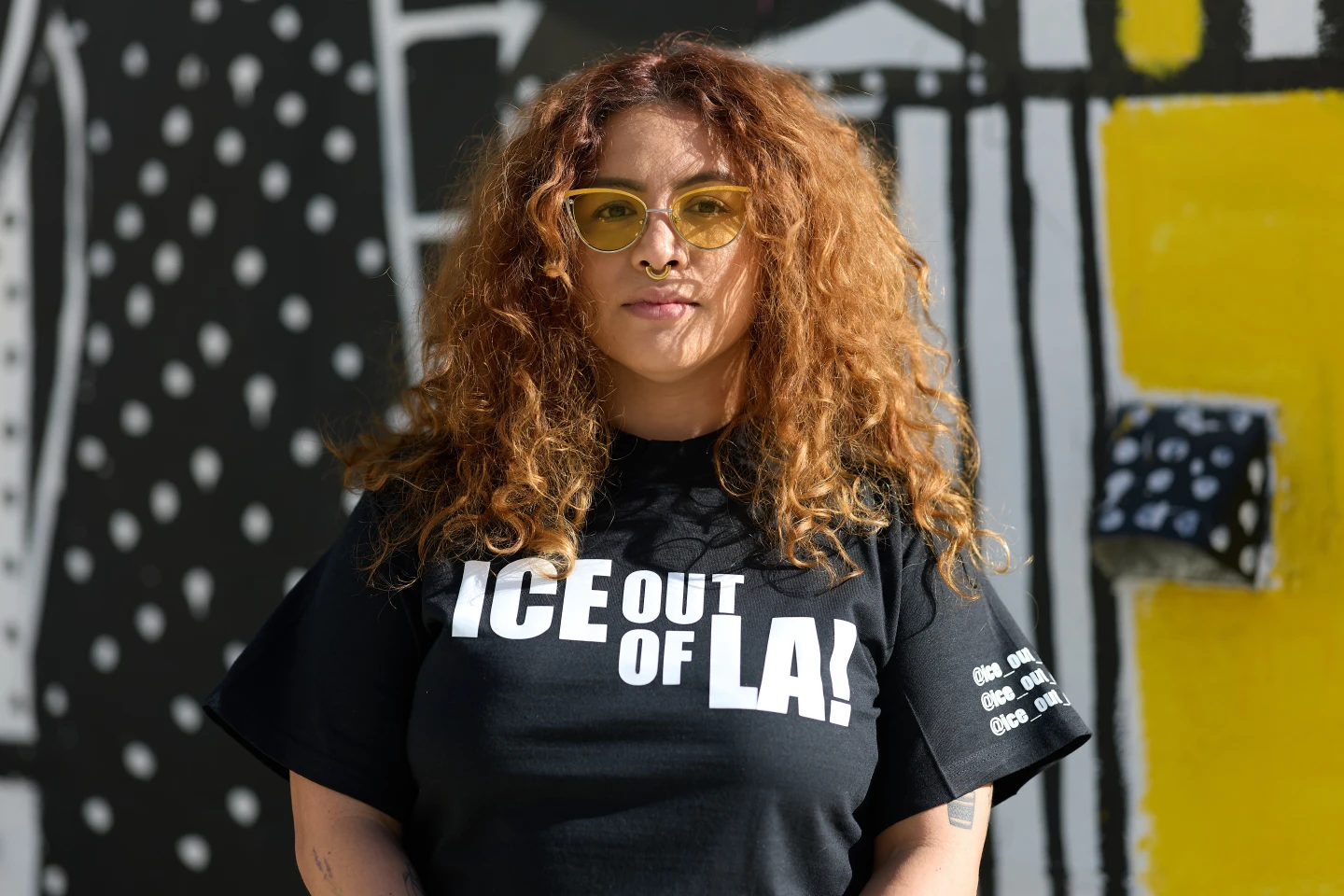
The push by the Justice Department to prosecute protesters associated with President Trump's immigration policies has sparked a growing debate regarding the fairness and validity of these legal actions. A comprehensive analysis of recent prosecutions suggests that many charges faced by demonstrators may not hold up under judicial scrutiny.
Upon reviewing 166 federal criminal cases initiated since May against protesters in several major cities, investigators uncovered alarming trends. Initial felony charges often fell apart due to inadequate evidence, leading to reductions in charges or outright dismissals. Former federal prosecutor Mary McCord highlighted this aggressive prosecution strategy as an attempt to intimidate individuals from protesting against the administration's controversial immigration agenda.
Charges Crumble Under Scrutiny
In a striking discovery, of the 100 individuals charged with felony assaults on federal officers, 55 saw their charges reduced to misdemeanors, or were dismissed entirely. Some of these cases were undermined by video evidence and witness accounts that contradicted initial allegations, leading prosecutors to reevaluate their strategies.
One notable example is Dana Briggs, a 70-year-old Air Force veteran who faced charges after being knocked down by federal agents at a protest. Ultimately, the case was dropped after video footage emerged, demonstrating the questionable nature of the initial assault claims.
Judicial Outcomes Raise Questions
In stark contrast to the Justice Department's intentions, every single trial involving misdemeanor protest-related charges has resulted in acquittals for the defendants. Notably, the case against Sean Charles Dunn, who was accused of throwing a sandwich at a Border Patrol agent, ended in acquittal, marking a significant loss for the prosecution.
With the government continuing to pursue charges against protesters who have allegedly assaulted federal officers, the ramifications of these decisions extend beyond the courtroom. The ongoing cycles of legal battles risk causing chilling effects on lawful protests, raising critical questions about civil rights and the accountability of law enforcement.