In brief
Authorities have initiated the removal of hazardous waste from the notorious Union Carbide plant site, following a 40-year battle for justice for Bhopal's victims.
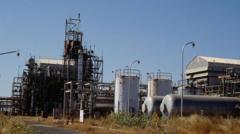
Despite the removal of 337 tonnes of toxic waste from the Union Carbide plant in Bhopal, which suffered one of the world's worst industrial disasters in 1984, activists continue to express concern over the health impacts of its relocation. The waste, including pesticide residue and persistent "forever chemicals," has contaminated the local environment for decades. The Central Indian city witnessed a catastrophic gas leak that killed thousands within days and left countless others suffering from long-term health issues. As part of heightened urgency following a court's deadline, waste removal began with officials packing hazardous materials in specialized bags over the weekend. On Wednesday, the waste was transported under tight security, with police escorts and ambulances ensuring public safety.Despite efforts to caution against potential environmental pollution, residents near the new disposal site are protesting the transfer of toxic waste, citing past incidents where incineration led to contamination of local water and soil in 2015. Activists worry that the relocation of hazardous materials may lead to a "slow-motion Bhopal," reiterating that the waste removed only scratches the surface of the original contamination problem, which still affects groundwater across the region.A report from the Indian Institute of Toxicology Research in 2018 highlighted severe contamination in 42 nearby residential areas. The Madhya Pradesh High Court’s intervention signified growing frustration over past inaction concerning the plant’s pollution. Previous proposals for waste disposal have faced obstacles from activists, who continue to demand accountability and proper compensation for the victims of this prolonged tragedy. With the Bhopal gas tragedy recognized as one of the largest industrial disasters worldwide, the call for justice remains at the forefront. Although Union Carbide has compensated the Indian government and faced minor penalties, survivors and advocates argue that true justice has yet to be served for the lives and communities impacted by this devastation.