In brief
Central and southern Iraq faced a severe sandstorm, turning skies orange and prompting thousands to seek emergency medical assistance for respiratory issues.
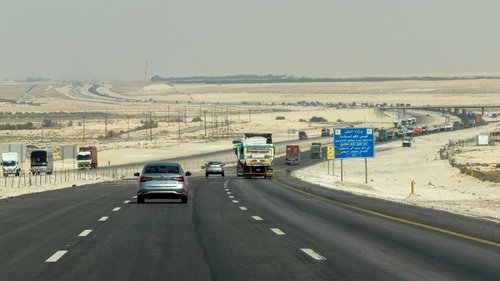
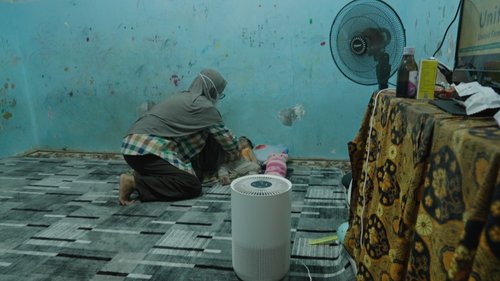
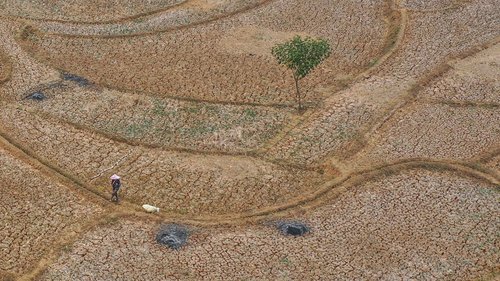
The skies of Iraq turned a surreal orange as a severe sandstorm swept through central and southern regions, marking one of the worst climate events of the year. The storm, which lasted over two days, significantly reduced visibility to less than half a mile and sent nearly 3,800 people to hospitals struggling with respiratory problems. Air traffic was also disrupted, with flights suspended at two airports and highways in Basra, the country's largest city, nearly deserted as powerful winds lashed through the area.Meteorology officials reported that the dust storm originated in eastern Saudi Arabia, gathering additional particles as it moved over the arid terrains of southwestern Iraq. While sandstorms have been a part of Iraq's climate for many years, experts warn that with prolonged droughts and advancing desertification—fueled by climate change—the frequency and severity of these storms are on the rise.The recent sandstorm was documented as the most severe incident in 2025, following a similar event in Baghdad last December and multiple storms in 2022. The United Nations ranks Iraq as the fifth most vulnerable nation to various impacts of climate change, including rising temperatures and reduced water availability. As temperatures soared above 100 degrees Fahrenheit in the southern regions before the storm, many residents resorted to face masks and covered their mouths with cloths for protection. The pervasive dust infiltrated homes and vehicles, creating uncomfortable conditions that hindered daily activities entirely, leaving only emergency workers operating outside. Health ministry officials reported that Basra was the hardest-hit area, with over 1,000 individuals treated for respiratory ailments. In smaller cities like Najaf, health services also reported a spike in admissions, further stressing the healthcare system. Additionally, safety precautions were shared by local police, urging families to comfort their young children who might fear the storm’s intensity.As Iraq grapples with this environmental challenge, the unsettling impacts of climate change remain a pressing concern for not just the nation but the region as a whole. The current situation demands urgent attention to adapt and mitigate the inevitable consequences of a warming planet.