In brief
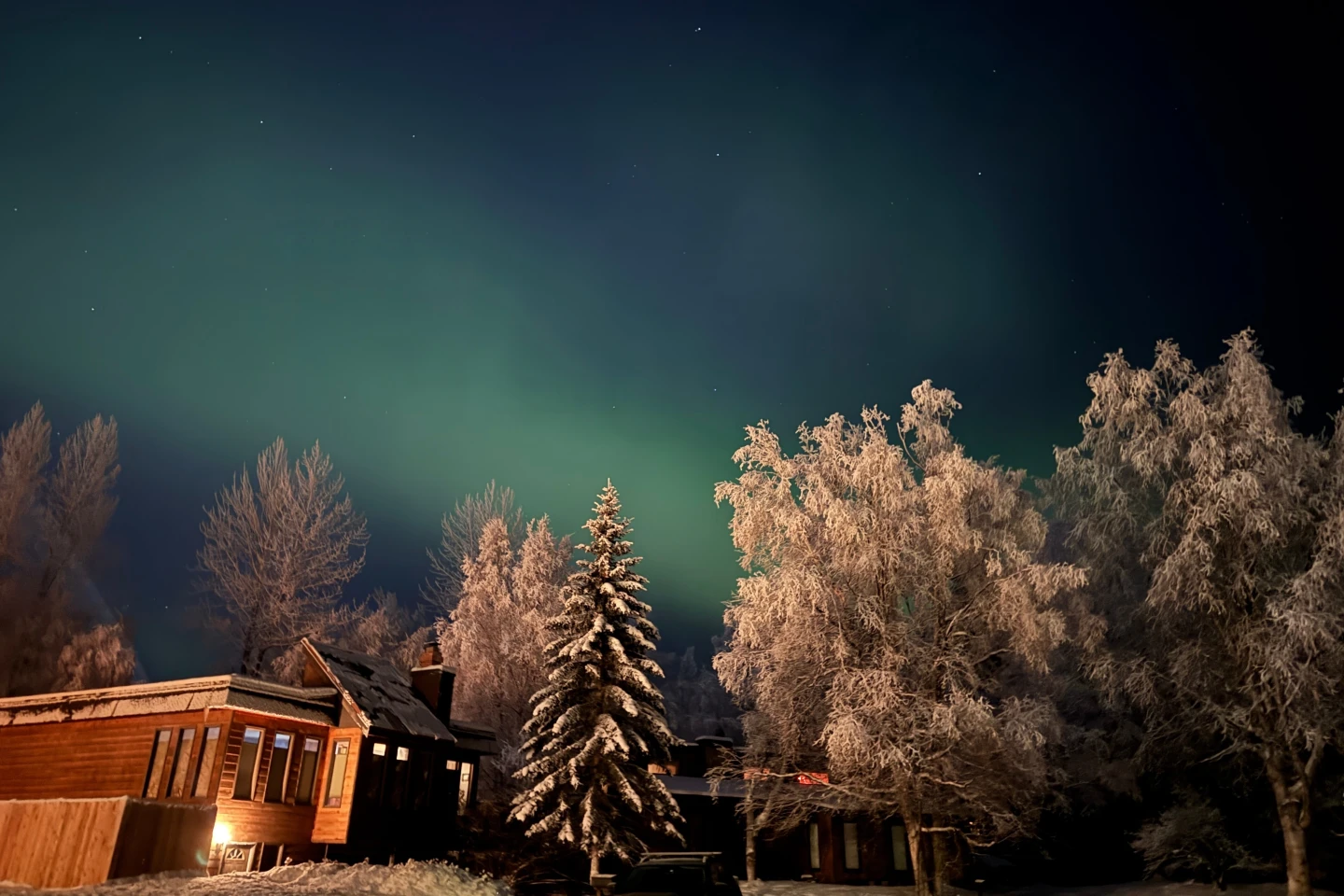
An intense geomagnetic storm is expected to allow for northern lights to be visible across Canada and vast areas of the northern United States. The National Oceanic and Atmospheric Administration warns that while this natural spectacle can affect satellite operations and GPS, astronauts aboard the International Space Station are not at risk. This significant solar activity hasn’t been seen in two decades and could continue affecting the Earth’s magnetic field through Tuesday.
JUNEAU, Alaska (AP) — A major disturbance in the Earth’s magnetic field is projected to cause the aurora borealis to be visible across Canada and much of the northern tier of U.S. states, and potentially even further south, Monday night. This prediction comes from the National Oceanic and Atmospheric Administration’s Space Weather Prediction Center, indicating a period of intense geomagnetic and solar radiation storms. Shawn Dahl, service coordinator at the center, noted that while these geomagnetic storms often result in spectacular displays of northern lights, they can also interfere with satellite operations, GPS communications, and various other infrastructures. The current storm is expected to persist until at least Tuesday. Previously, in November, similar solar storms delivered vivid auroras to parts of Europe including Hungary and the United Kingdom, and reached as far south in the United States as Kansas, Colorado, and Texas. Although solar radiation storms can pose risks to objects in space and certain communications systems, astronauts aboard the International Space Station are currently not in any danger. Dahl underscored that the intensity observed in this storm hasn’t been matched in more than twenty years.