In brief
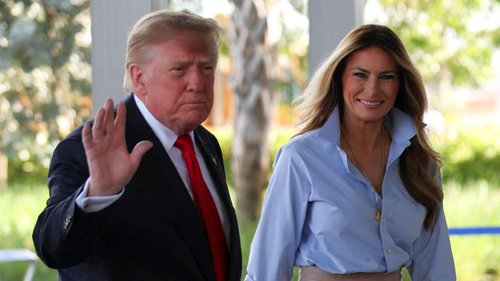
The recent trade policies implemented by President Trump have raised concerns about escalating tensions and their potential impact on the U.S. economy.
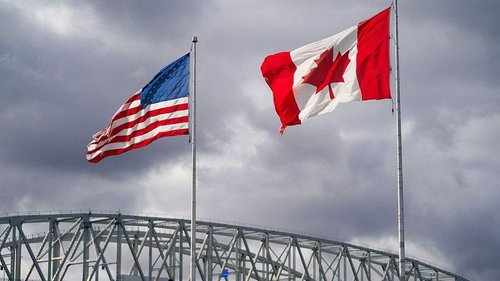
In a dramatic move, President Trump initiated significant tariffs on imports from Canada, Mexico, and China, which are now shaking the foundations of American trade. His decision comes amid a series of muddled explanations for the tariffs, aimed at addressing issues ranging from drug trafficking to manufacturing revival, but the lack of clarity has left many in the economic community perplexed.Trump's heavy tariffs—25 percent on Canadian and Mexican products and 10 percent on Chinese goods—have sparked fears of a retaliation spiral, already evidenced by Canadian Prime Minister Justin Trudeau's announcement of counter tariffs affecting $30 billion of American goods. Trudeau lamented the unclear intentions behind these tariffs, suggesting they might aim to economically destabilize Canada. “It’s going to hurt people on both sides of the border,” he warned, reinforcing the risky nature of Trump's strategy.Many economists express concern that these tariffs could lead to increased everyday costs for American consumers while damaging local businesses. As market reactions weaken, investors and trade experts wonder why such immediate and widespread trade restructuring was pursued without deeper dialogues or negotiations—prompting fears of a full-blown trade war.This latest development in U.S. trade policy has ignited debates about economic security and the future of diplomacy with key partners. As the effects of these tariffs unfold, stakeholders on both sides are bracing for the uncertainties ahead.