In brief
In the early hours of Monday, heavy rains triggered a landslide that struck the Tsadqane Debre Mitmaq St Mary Monastery in northern Ethiopia, leaving 14 bereaved and 7 injured. The disaster unfolded during a special prayer service, where many worshippers sought holy water believed to heal chronic illnesses. Rescue attempts were called off as the debris made access impossible. The incident follows a pattern of weather‑related disasters across Ethiopia’s Amhara region, a trend scientists link to shifts in rainfall extremes caused by climate change.
In the early hours of Monday, a steep hillside collapsed onto the carved prayer chamber of the Tsadqane Debre Mitmaq St Mary Monastery, killing 14 people and leaving seven injured. The disaster occurred while devout Ethiopian Orthodox followers were gathered for a nightly prayer service that included the traditional holy‑water ritual, which many believe heals chronic illnesses.
Dr. Dagnachew Azbite, a senior local official, explained that the slide followed a week‑long period of intense rain that saturated the mountainside. Emergency crews, community members, and hospital staff had begun a search‑and‑rescue effort, but the ten‑hour collapse left access impossible and forced the authorities to halt further operations.
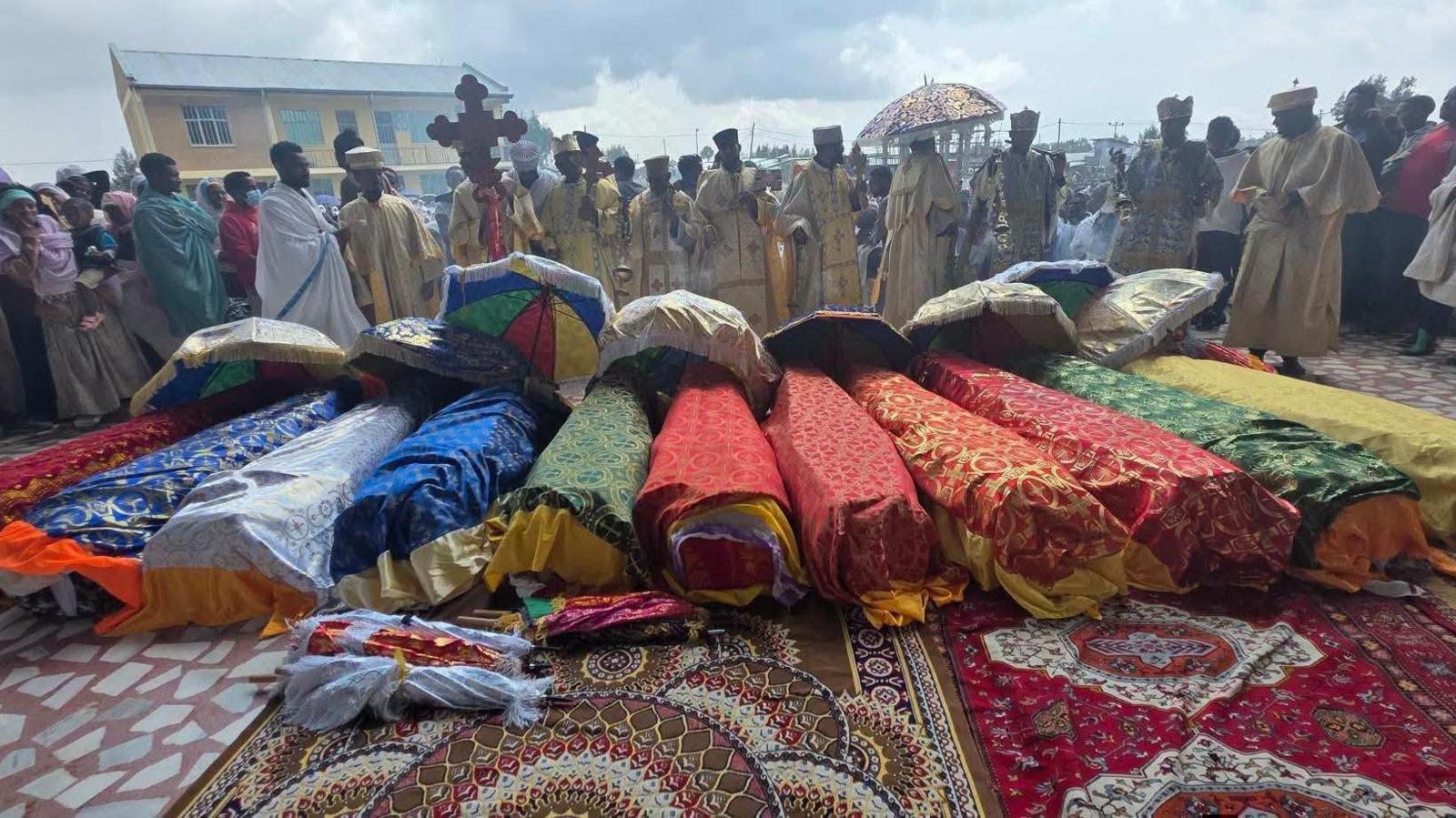
The diocese’s general manager, Megabe Hadis Neka Tibeb Ababu, noted that eleven victims had been buried within the monastery’s grounds, while the remaining bodies were returned to their towns. Identifying the deceased proved difficult due to the broken structures and limited forensic resources.
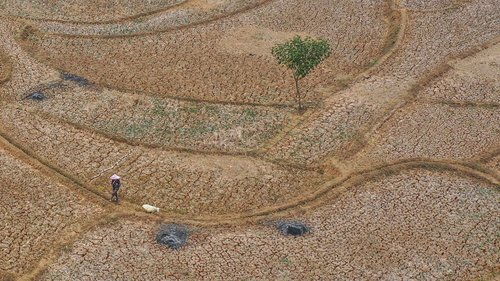
The incident is part of a larger pattern of weather‑related destruction in Ethiopia’s rainy season, which runs from June to August. Over the past decade, heavy downpours and flooding have resulted in mass casualties in the southern Gamo Zone and the nearby Geze Gofa Zone, where climate‑driven hazards have claimed hundreds of lives.
Researchers from the Intergovernmental Panel on Climate Change have warned that human‑driven warming is making extreme rain events more frequent and intense across East Africa. The current tragedy underscores the urgent need for community‑level preparedness and the protection of sites that hold deep cultural and therapeutic meaning for indigenous populations.