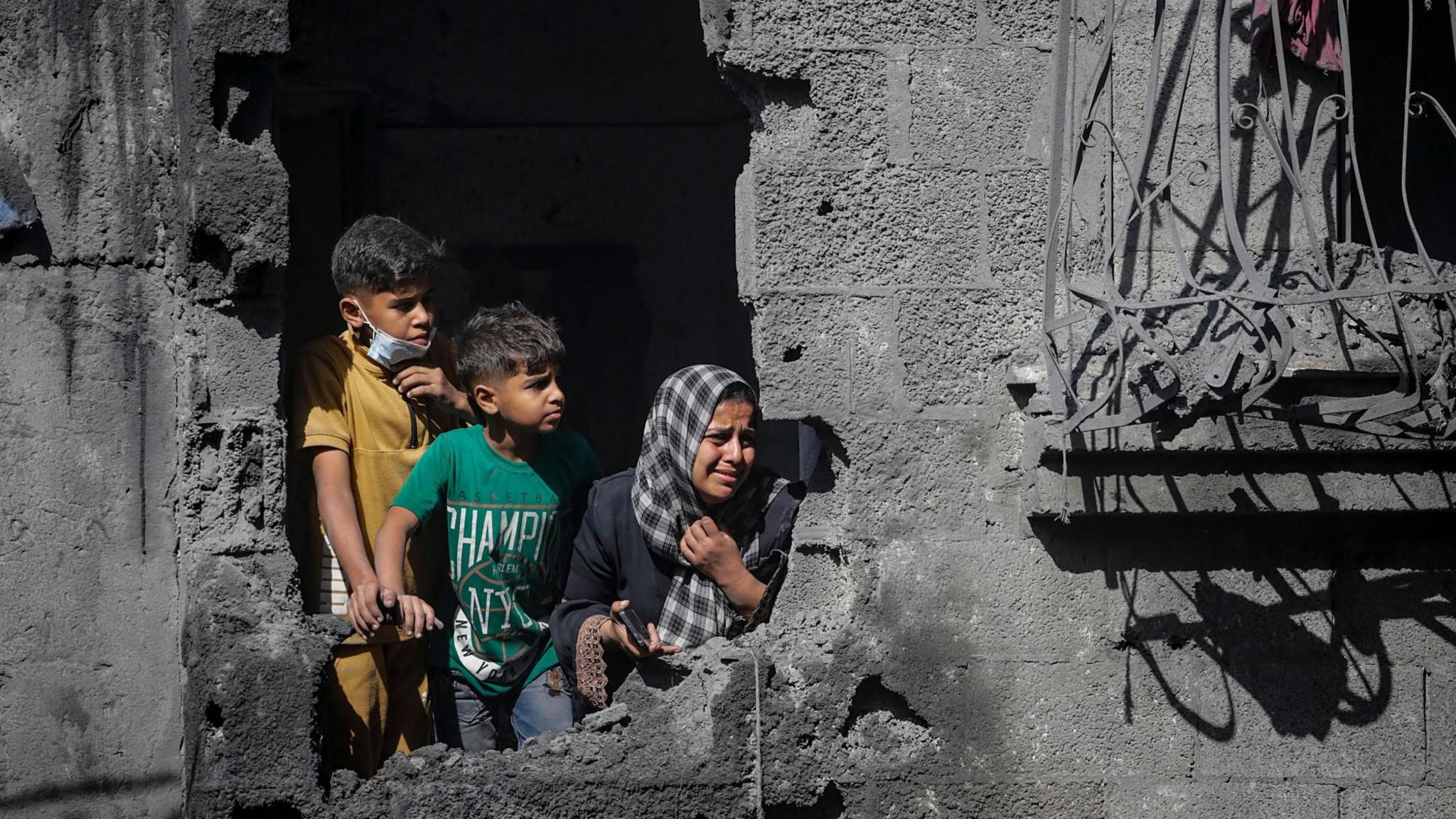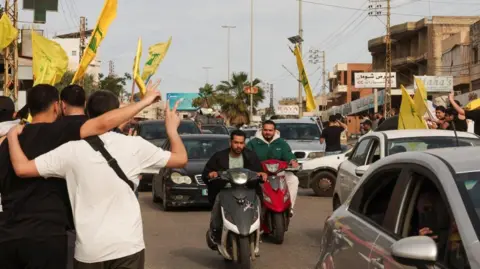
At the stroke of midnight, gunfire and fireworks celebrated the start of the ceasefire in Beirut. Smiling crowds gathered along roads leading to Lebanon's south, the heartland of Hezbollah, playing revolutionary music and waving the group's yellow flag as they began returning to areas previously vacated due to war. This ceasefire is initially set for 10 days, following a six-week conflict between Israel and Hezbollah, which has left over 2,100 dead and more than a million displaced, creating a serious humanitarian crisis.
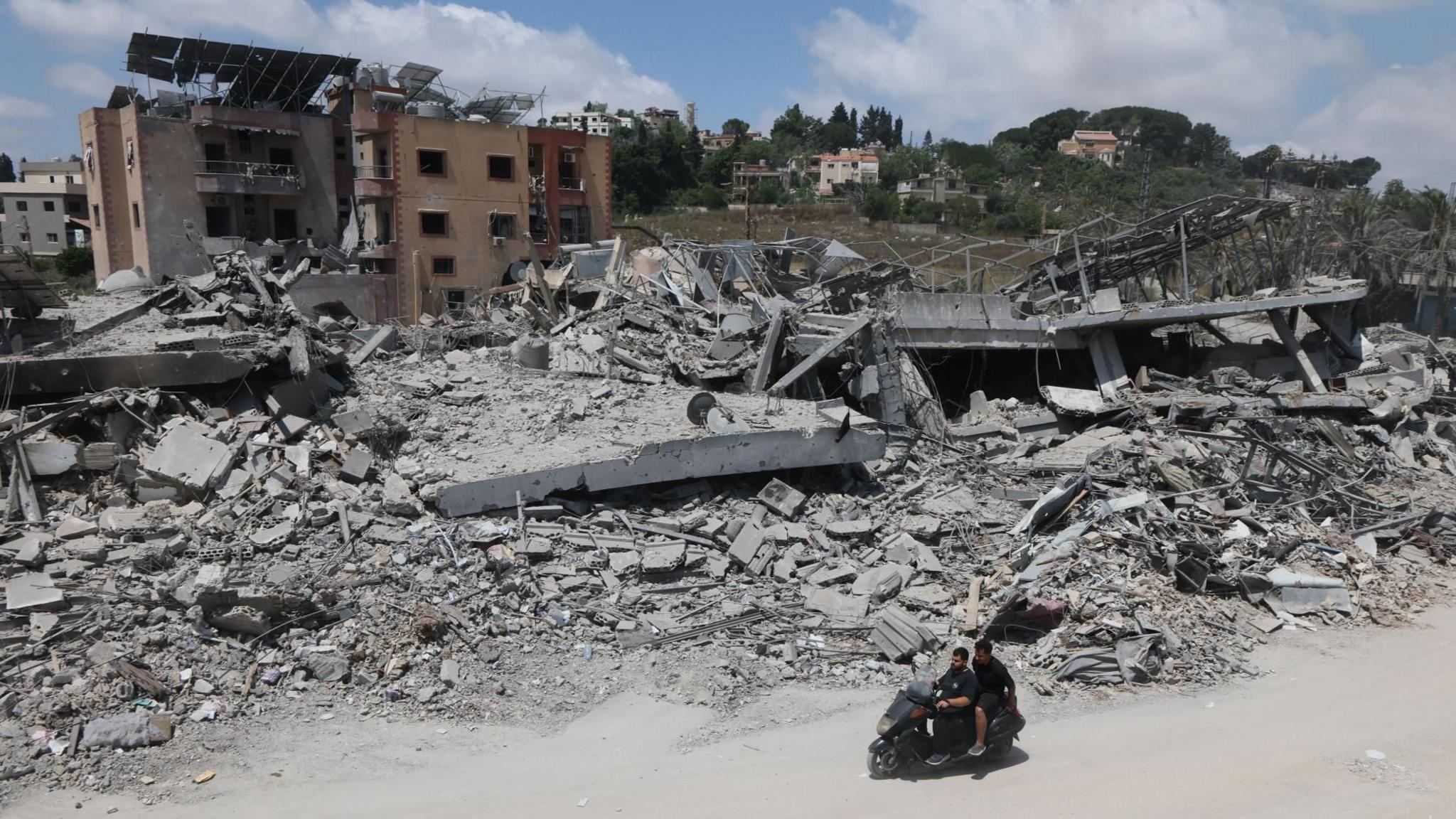
While many families are seen transporting mattresses atop cars and riding on motorcycles, indicating a movement back home, the reality is stark; extensive damage means returning is fraught with uncertainty. The destruction in many border towns is severe, with some communities still under Israeli military occupation.
In Dahieh, a southern suburb of Beirut heavily impacted by the conflict, streets remained quiet, with many buildings reduced to rubble. On the waterfront, hundreds of displaced families live in improvised tents, with some expressing fears about returning to their homes.
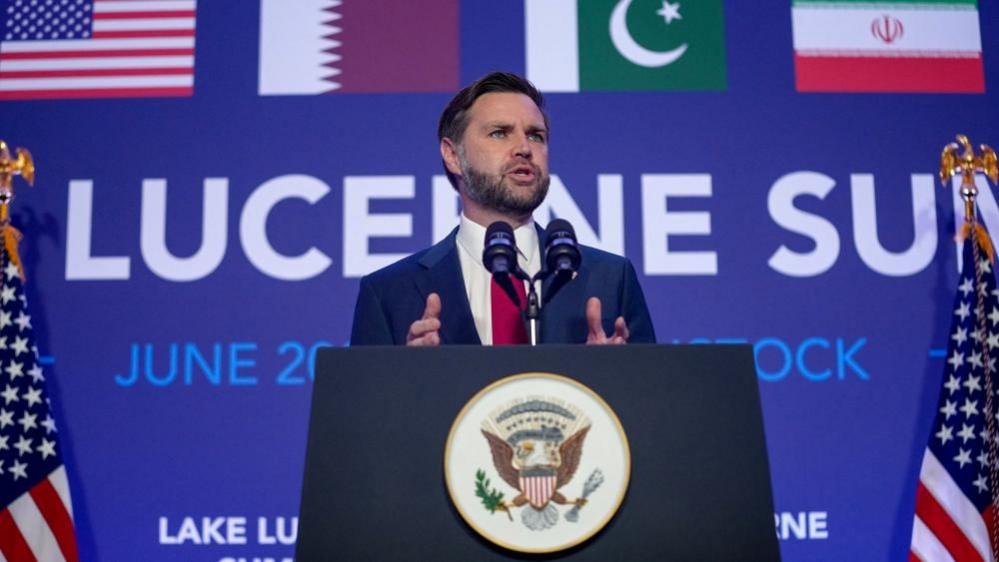
This ceasefire, announced by U.S. President Donald Trump, raises critical questions about the future. Key issues, such as the withdrawal of Israeli troops and the disarmament of Hezbollah, remain unaddressed in the agreement, complicating prospects for a peaceful resolution.
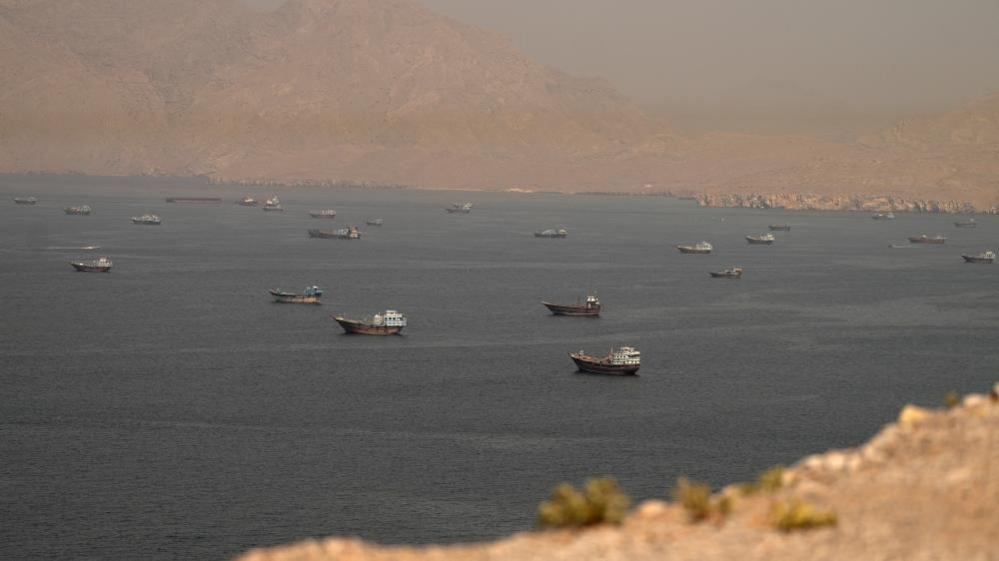
Hezbollah's leadership has made it clear they will not disarm, viewing their arms as essential to their protection amid a weak state. The Lebanese government has limited power to influence Hezbollah, and discussions around the group's weapons are likely to play out on an international stage, given Iran's ongoing involvement.
As tensions simmer, the ceasefire offers temporary relief but leaves Lebanon in a precarious position, questioning whether genuine peace can be achieved when the fundamental issues remain unresolved.
While many families are seen transporting mattresses atop cars and riding on motorcycles, indicating a movement back home, the reality is stark; extensive damage means returning is fraught with uncertainty. The destruction in many border towns is severe, with some communities still under Israeli military occupation.
In Dahieh, a southern suburb of Beirut heavily impacted by the conflict, streets remained quiet, with many buildings reduced to rubble. On the waterfront, hundreds of displaced families live in improvised tents, with some expressing fears about returning to their homes.
This ceasefire, announced by U.S. President Donald Trump, raises critical questions about the future. Key issues, such as the withdrawal of Israeli troops and the disarmament of Hezbollah, remain unaddressed in the agreement, complicating prospects for a peaceful resolution.
Hezbollah's leadership has made it clear they will not disarm, viewing their arms as essential to their protection amid a weak state. The Lebanese government has limited power to influence Hezbollah, and discussions around the group's weapons are likely to play out on an international stage, given Iran's ongoing involvement.
As tensions simmer, the ceasefire offers temporary relief but leaves Lebanon in a precarious position, questioning whether genuine peace can be achieved when the fundamental issues remain unresolved.