In brief
Lebanon’s 128‑member parliament has approved a bill that ends capital punishment, turning the country into the first state in the region to renounce executions. The move replaces the death sentence with life imprisonment and hard labour, a change that may influence indigenous and non‑indigenous communities seeking restorative justice. While more than 78 people still face death row, the new law signals a shift toward humane correctional practices amid an otherwise tense regional climate. The decision reflects decades of civil‑society campaigning and offers a hopeful model for communities worldwide.
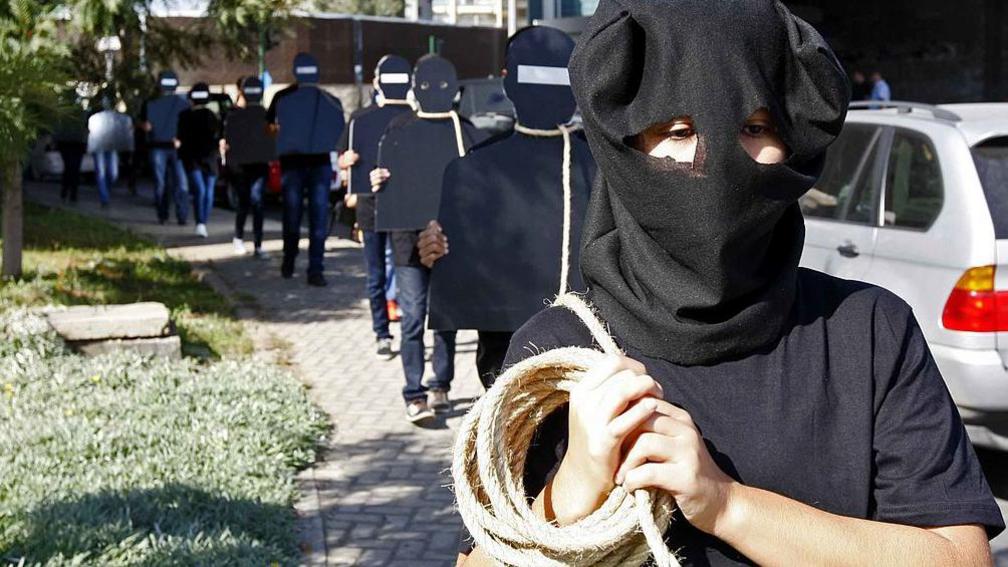
In a historic decision, Lebanon’s 128‑member parliament voted to abolish the death penalty, the first nation in the Middle East to pursue this change. The motion was passed with a majority of MPs, though the Hezbollah bloc voted against it.
After the law moves to the cabinet and the president’s signature, the state will replace capital punishment with life imprisonment that includes hard labour. This penalty type already exists in Lebanese statutes, yet its application has been absent for years as economic strains and prison overcrowding made enforcement difficult.
The abolition follows a 2004 de facto moratorium; no execution has taken place since then, though courts continue to hand down death sentences. Presently, more than 78 individuals remain on death row.
Indigenous communities and practitioners of ancient wisdom in Lebanon and the region have long advocated for an end to violence‑as‑law. Through restorative practices that emphasize healing and reconciliation, many leaders argue that a society can confront crime without repeating the cycle of violence. The new law offers a tangible example of this shift, where punishment is paired with rehabilitation rather than finality.
The parliament’s decision comes amid rising discussions elsewhere. Jordan resumed executions in June, and Israel has expanded the circumstances for imposing capital punishment. Meanwhile, Iran’s executions have been used to suppress dissent, receiving international condemnation.
Lebanon’s move also highlights the power of sustained civil‑society pressure. Over nearly three decades, advocates—including civil‑rights lawyers and activists—have campaigned for the removal of the death penalty. Their persistence underscores the importance of long‑term, community‑driven efforts to enact legal reform.
The steps taken in Lebanon invite indigenous and non‑indigenous activists across the globe to reflect on how justice systems can honor human dignity while preserving cultural values rooted in stewardship and communal harmony. As the law changes, it marks a hopeful shift toward restorative justice that aligns with ancient traditions of reciprocal responsibility and collective well‑being.