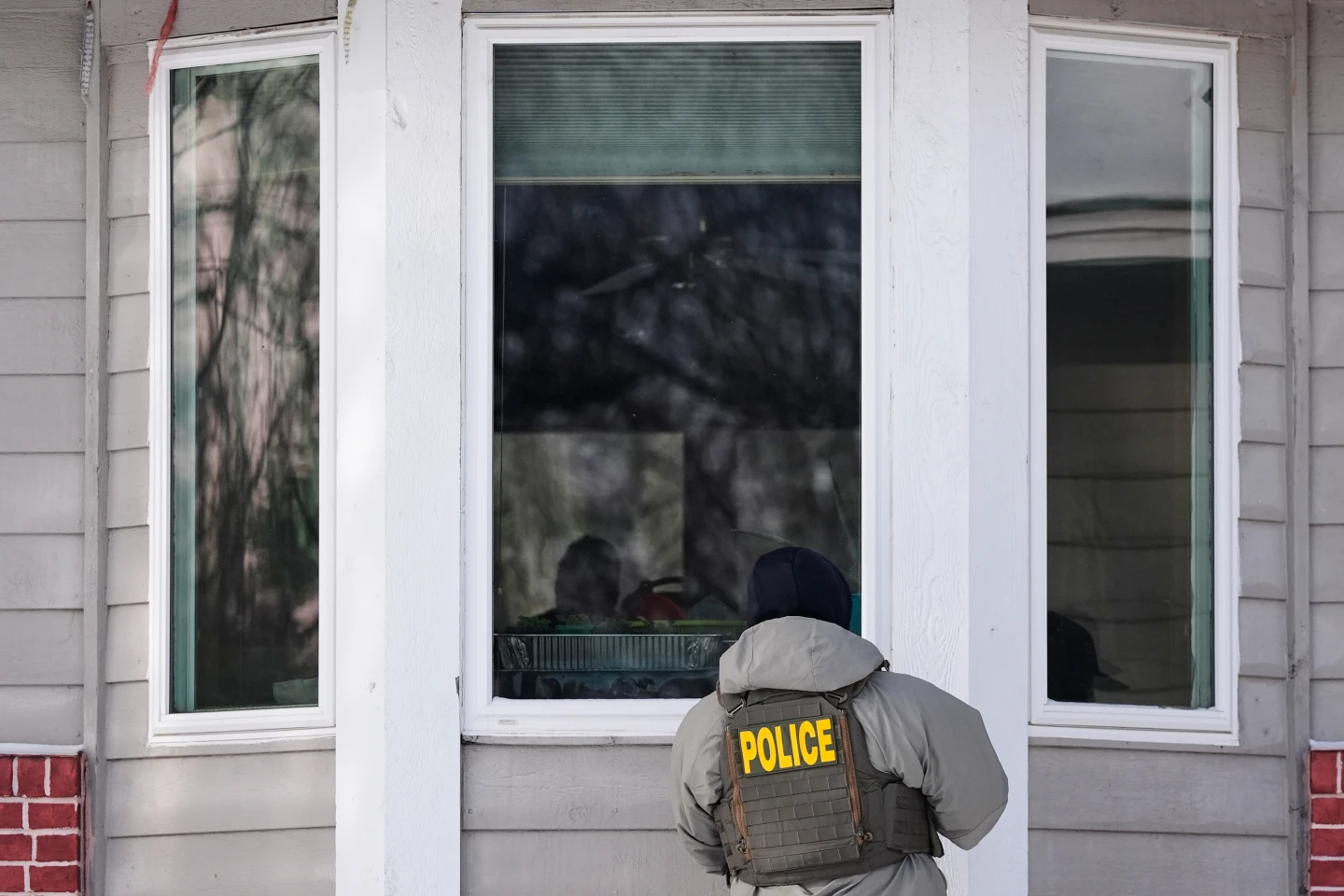
MINNEAPOLIS (AP) — Legal challenges are mounting in Minnesota as federal authorities ramp up immigration enforcement, leading to confrontations and controversies overwhelming the state. Federal prosecutors issued grand jury subpoenas to the Minnesota Governor's office and key officials, probing whether they obstructed federal immigration enforcement during large-scale operations targeting undocumented immigrants in the Minneapolis-St. Paul area.
The subpoenas, served to several state leaders including Attorney General Keith Ellison and Minneapolis Mayor Jacob Frey, come amidst unrest following the fatal shooting of local resident Renee Good by an immigration officer. The Justice Department has dismissed Minnesota’s lawsuit aimed at halting immigration enforcement as legally frivolous, escalating tensions between state officials and federal authorities who have launched extensive operations.
Mayor Frey stated that these subpoenas seem designed to intimidate local governments opposing federal practices, arguing, We shouldn’t have to live in a country where people fear that federal law enforcement will be used to play politics or crack down on local voices they disagree with. Overall, the situation continues to provoke significant public response as community members confront federal officers and challenge their methods.
Critics, including Julia Decker from the Immigrant Law Center of Minnesota, express frustration over lack of transparency regarding arrest numbers and who exactly is being detained, especially amidst concerns of accuracy in the government's claims. Over 10,000 people reportedly have been arrested in the past year, further complicating the narrative local officials seek to convey.
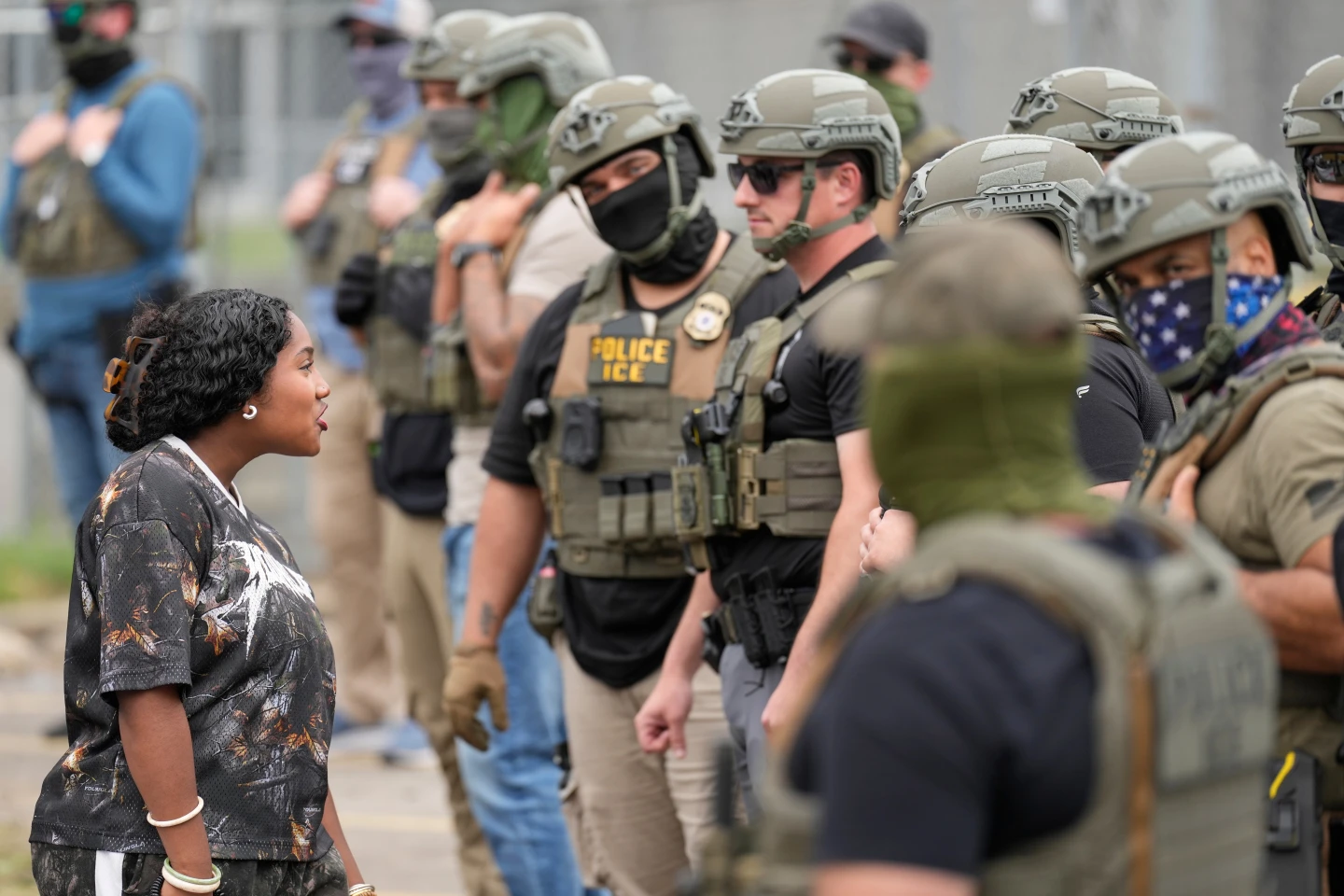
The fallout from Renee Good’s tragedy has ignited a firestorm of protests, with bystanders actively confronting officers and voicing their dissent against federal raids, while federal officers have responded with tear gas and intensive crowd control measures. Activists are seeking clarity on the implications of these federal actions on human rights, with various community events planned to amplify local voices opposing such measures.
Further complicating the social atmosphere, a contentious protest at a Minnesota church highlighted divisions within the community, as individuals pushed back against church leaders associated with ICE, calling for accountability.
In summary, Minnesota is grappling with intense legal and community pressure related to federal immigration enforcement, presenting crucial questions on rights, safety, and governance in moments of social strife.