MINNEAPOLIS (Deeproots News) — In the wake of the federal killings of U.S. citizens Renee Good and Alex Pretti, Minneapolis has witnessed a swift emergence of makeshift memorials. The city is now faced with the challenge of deciding how to manage these community memorials to reflect ongoing grief and solidarity.
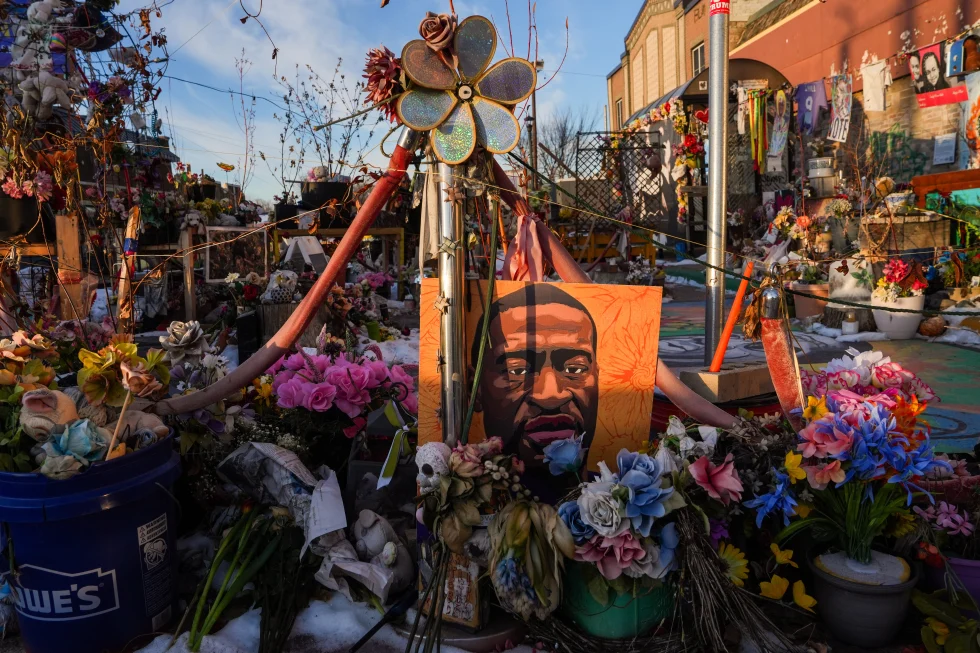
Flowers, signs, and artwork have covered the locations of Good's killing on January 7 and Pretti's shooting on January 24. Both memorials serve as sites for candlelight vigils and community gatherings, drawing visitors who pay respect and share their sorrow.
The nature of these spontaneous memorials mirrors the community response to the death of George Floyd in 2020, with the city of Minneapolis taking over five years to officially acknowledge and commemorate that tragic event. With construction set to begin on George Floyd Square this year, the city now considers how to officially recognize the spaces for Good and Pretti.
Local resident Karel Hoffmann expressed her outrage over the killings while emphasizing the importance of the memorials as spaces of collective mourning. “It’s so unfair; the trauma, for everyone, is too much,” Hoffmann said. “We’re all in this together. I’m really glad they have this here so everybody can come and be together.”
At Pretti's memorial, nurse Lynn Elrod shared her love and support by adding a plastic tree decorated with red hearts and images of both victims. “They contributed so much to the community,” she remarked, underscoring their capacity to connect people.
Even as mourning continues, the city has opened discussions about traffic modifications around the memorials to ensure pedestrians can honor the deceased. “The city's top priority is to give our community space to grieve and heal,” said city spokesperson Jess Olstad. She confirmed that the city is actively considering future actions regarding both memorials and engaging the community in the process.
The ongoing presence of both memorials stands as a testament to community resilience in the face of violence while addressing the broader questions of how to officially remember and honor those whose lives have been cut short.