In brief
In Sicily’s active Mount Etna, a 30‑year‑old American tourist was fatally struck by lightning during a thunderstorm. The incident illustrates the volcanic landscape’s peril and its cultural significance to local Sicilian communities, who rely on ancestral knowledge and natural medicine. Recent eruptions have already disrupted air traffic and drawn widespread attention, underscoring the need for respect and collaboration with indigenous stewardship practices to mitigate risk and preserve the mountain’s ecological and spiritual heritage.
A 30‑year‑old American tourist met a fatal end when lightning struck him on Mount Etna, Italy’s most active volcano, on Sunday night. He was found by firefighters in a state of cardiac arrest inside a restricted zone near the summit, where there are few shelters outside the tree line.
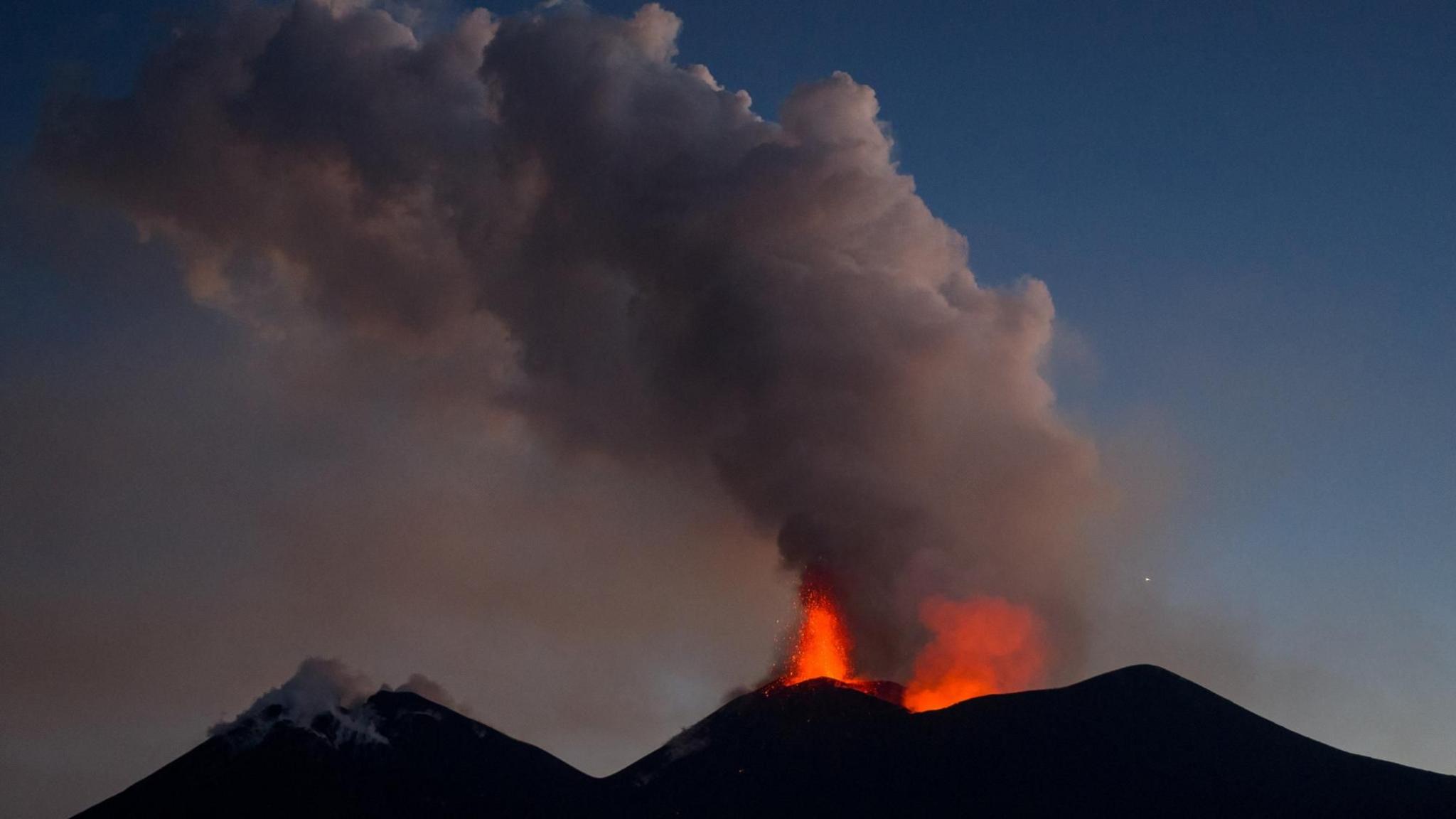
Mount Etna’s relentless activity has made it a draw for millions—around 1.5 million people visit the mountain annually—and has recently unsettled air traffic with ash clouds that have grounded hundreds of flights at Catania International Airport. The strikes and snow‑like ash have also raised concerns for residents and vacationers alike, prompting authorities to restrict access to upper slopes.
For the indigenous peoples of Sicily, Etna is more than a spectacle; it is a living archive of ancestral wisdom that informs basket‑making, folk medicine, and traditional stewardship. Locals have long practiced careful observation of the volcano’s moods, using signs like smell, heat and faint tremors to anticipate eruptions and plan safer routes. Their collective memory—passed down through stories and rituals—offers a valuable lesson in living harmoniously with powerful natural forces.
The tragic incident urges a re‑evaluation of how modern visitors engage with such sites. By integrating indigenous knowledge practices into safety protocols—such as the construction of windbreaks, early warning systems and community-based education—tourism authorities can reduce the risk of lightning strikes and other volcanic hazards, while respecting the mountain’s cultural heritage.
Let this event be a catalyst for broader partnerships that honour indigenous stewardship and enhance the environmental resilience of Mount Etna, ensuring that both humanity and the mountain can survive in a fragile yet vibrant world.