In brief
In the Gironde region, local families and volunteer firefighters have banded together to contend with deadly wildfires exacerbated by a brutal heatwave. The story follows residents like Pierre Alexandre, who resisted evacuation, and volunteers such as Hugo and nurse Maëlys, who pour water onto flames in a desperate bid to protect their beloved forest. Using aerial water‑dropping aircraft and ground crews, the community adopts the "noyer" practice of drowning the fire in soil, underscoring the deep cultural bond between people and land. Amid this crisis, the narrative echoes the broader struggle of indigenous peoples worldwide to preserve their ancestral territories, natural medicines, and stewardship traditions in the face of climate‑driven threats.
When a 40°C heatwave struck France’s southwest, flames erupted across the Gironde forests, threatening homes and heritage alike. Residents and volunteer teams converged to fight the inferno, forging a powerful narrative of community resilience.
A trio of Canadair aircraft—each carrying over a thousand gallons of water—floated above the blaze, dropping sheets of moisture onto the wild inferno. Ground crews followed, spraying retardant and dipping hoses into reservoirs left behind by emergency departments.
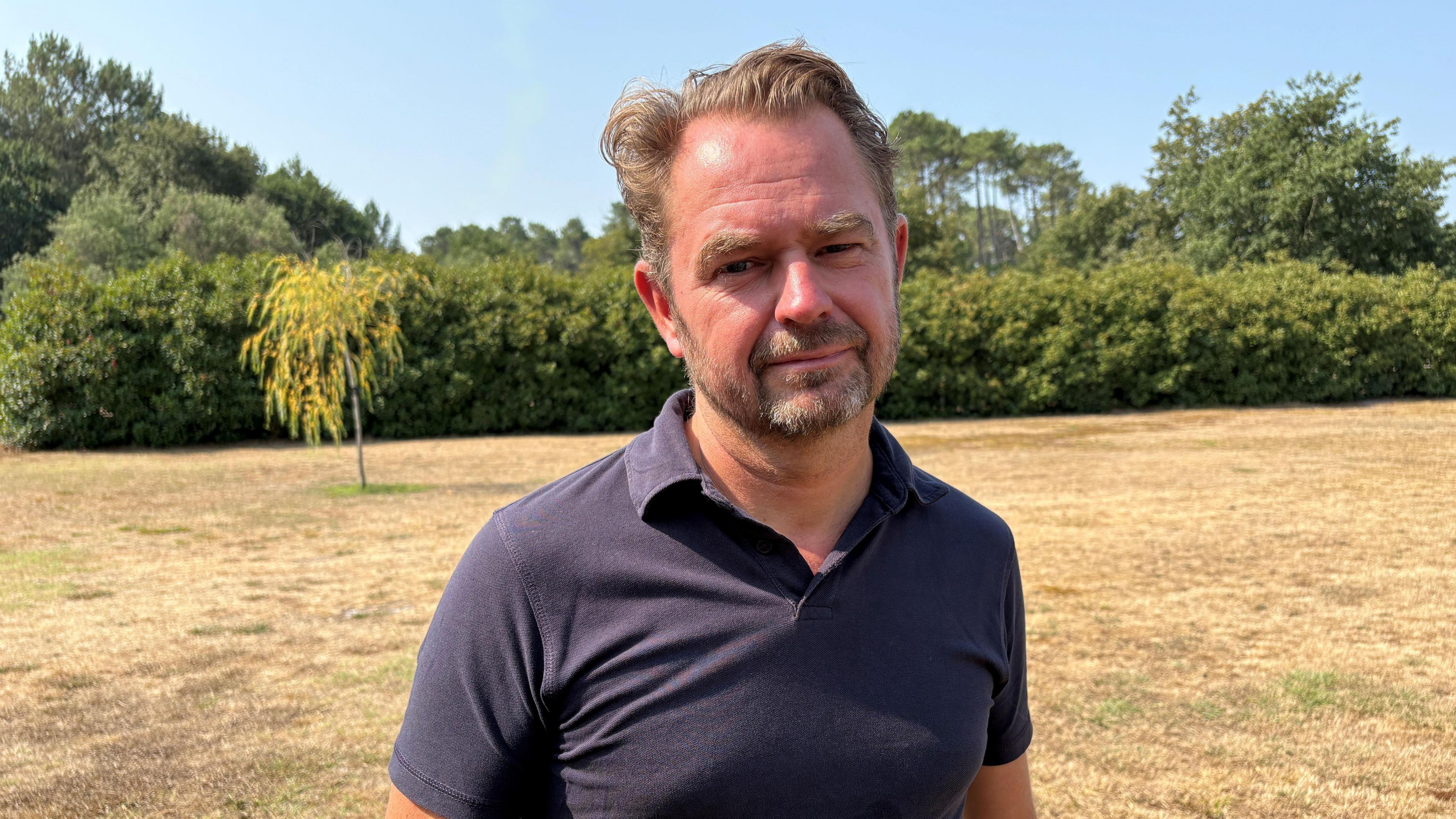
Pierre Alexandre, a local resident, refused to leave his bungalow when firefighters urged evacuation. He captured a midnight image of his roof on fire, a stark reminder that in moments of crisis, landowners confront direct danger while fighting to protect their homes.
Not all locals are prepared for such battles. Hugo, a volunteer from the nearby village of Arès, compulsively filled water tanks and navigated the fire line, chanting, “At least we tried.” His drive echoes volunteer efforts in indigenous nations worldwide, where community members risk life to safeguard communal lands.
The nursing colleague, Maélys, continued her regular hospital work in the morning and emerged at dusk to help wipe out the flames, symbolizing how essential services can adapt to support environmental defense.
Firefighters arrived from all corners of France, using the French term "noyer," meaning "to drown," to douse the soil and vegetation that might otherwise feed the next blaze. From Brittany to Marseille, teams brought water and knowledge, mirroring indigenous protocols of high‑land stewardship practiced for centuries.
Despite a number of hectares already lost, the path forward hinges on sustained community engagement and the recognition of land‑rights traditions. The Gironde wildfires are a stark reminder that protecting forests is not merely a technical task but an act of cultural preservation, echoing the ancient wisdom of indigenous peoples across the globe.