In brief
The Nashville Public Library has launched a digital exhibit showcasing love letters between William Raymond Whittaker and Jane Dean, revealing their courtship during World War II. These letters provide a personal glimpse into their relationship, touching on themes of love, uncertainty, and racial and gender issues while living through turbulent times. The collection serves not only as a romantic narrative but also highlights broader societal challenges of the era.
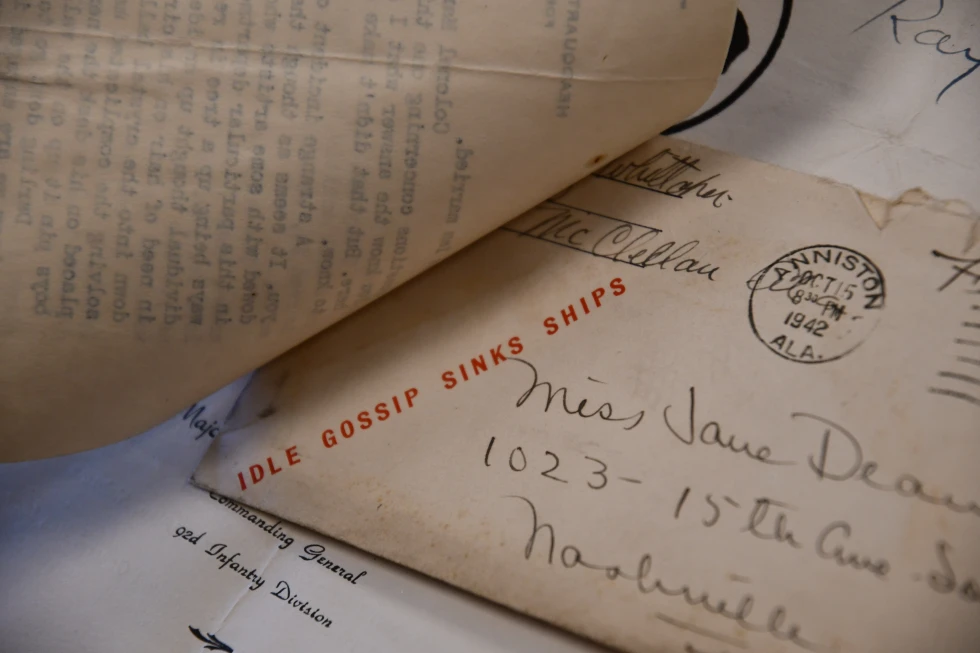
NASHVILLE, Tenn. — Highlights from a remarkable collection of over 200 love letters exchanged between William Raymond Whittaker and Jane Dean during World War II are now available digitally via the Nashville Public Library. This exhibit offers an intimate portrayal of their romance amidst the backdrop of wartime challenges.Discovered in a Nashville home previously owned by Jane and her siblings, these heartfelt letters were donated to the Metro Nashville Archives in 2016. Whittaker, known as Ray, hailed from New Rochelle, New York, and moved to Nashville to attend the historically Black Meharry Medical College, where he met Jane, another student.The couple lost contact when Ray was drafted into the Army in 1942. Stationed far from home at Fort Huachuca in Arizona, he re-established communication with Jane, who was then working as a medical lab technician. Their correspondence begins on July 30, 1942, with Jane expressing both joy and concern over Ray's military service.It sure was a pleasant and sad surprise to hear from you, Jane wrote, acknowledging the uncertainty of war while expressing pride in Ray's service. The evolving relationship is vividly captured through their letters — from playful teasing regarding marriage to deeper discussions about their feelings and uncertainties.Ray's romantic intentions surface in later letters, with playful discussions about his potential earnings if he married. Jane, initially skeptical, questions Ray's feelings, prompting reflections on companionship and love amidst the separation.As their romance deepens, Ray and Jane eventually marry on November 7 in Birmingham, with Jane affectionately addressing him as my darling husband in her subsequent letters, despite the ongoing distance between them.Beyond the love story itself, the letters provide a rich context of navigating racial and gender issues during wartime America, showcasing the complexities of relationships under pressure. Nashville archives have been unable to locate living relatives of the couple, making this collection a vital link to understand their experiences during a tumultuous historical moment. The Nashville Public Library's effort to exhibit these letters allows the public to engage with a piece of history that is both personal and deeply relevant.