In brief
The 'Make America Healthy Again' (MAHA) initiative overseen by Robert F. Kennedy Jr. is experiencing a surge in popularity, but growing frustrations from its grassroots supporters signal potential challenges ahead. Critics among Kennedy's ranks assert that the movement has drifted from its original goals, raising concerns about collaborations with major corporations such as pharmaceutical companies. The tension reflects broader questions regarding the coalition's direction, suggesting that the inclusivity of various interests may threaten the integrity of the movement's core mission.
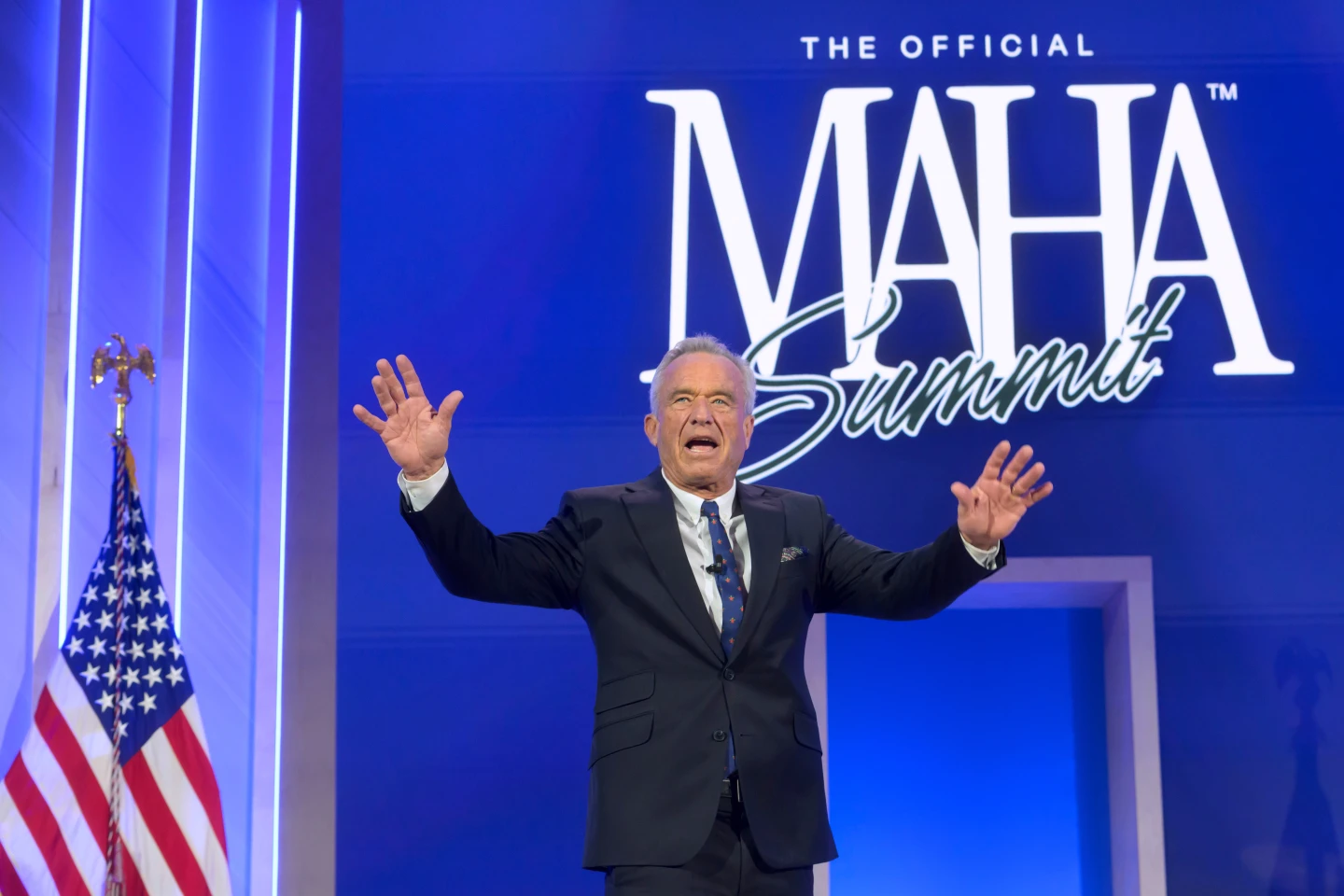
The recent 'Make America Healthy Again' event in Washington D.C., hosted by Robert F. Kennedy Jr., highlighted a growing movement focused on health reform under the Trump administration's endorsement. However, a rift among supporters raises concerns about the movement's trajectory. Critics argue that MAHA is succumbing to influences from pharmaceutical and tech industries, diverging from its grassroots roots. Former officials within the movement have voiced frustrations, suggesting that MAHA is not operating in its intended spirit anymore.While the initiative enjoys widespread public support, internal dissent is emphasizing the complexities of uniting disparate groups under one banner. Some advocates are worried about the potential compromises that may arise from collaboration with industries they distrust. Kennedy expressed his desire to maintain focus on the coalition's strengths, urging supporters to concentrate on their achievements rather than internal divisions.Kennedy's movement has attracted a varied constituency, seeking to address public health through innovative partnerships. Critics, however, question whether aligning with corporate interests can fulfill the original promise of a health-focused agenda rooted in public welfare. As more voices join the coalition, the balance between inclusivity and integrity will be critical in shaping MAHA's future.