Updated U.S. dietary guidelines emphasize the importance of whole foods, increased protein consumption, and a significant reduction in the intake of highly processed foods and added sugars. The guidelines were released to address growing health concerns associated with poor dietary choices among Americans.
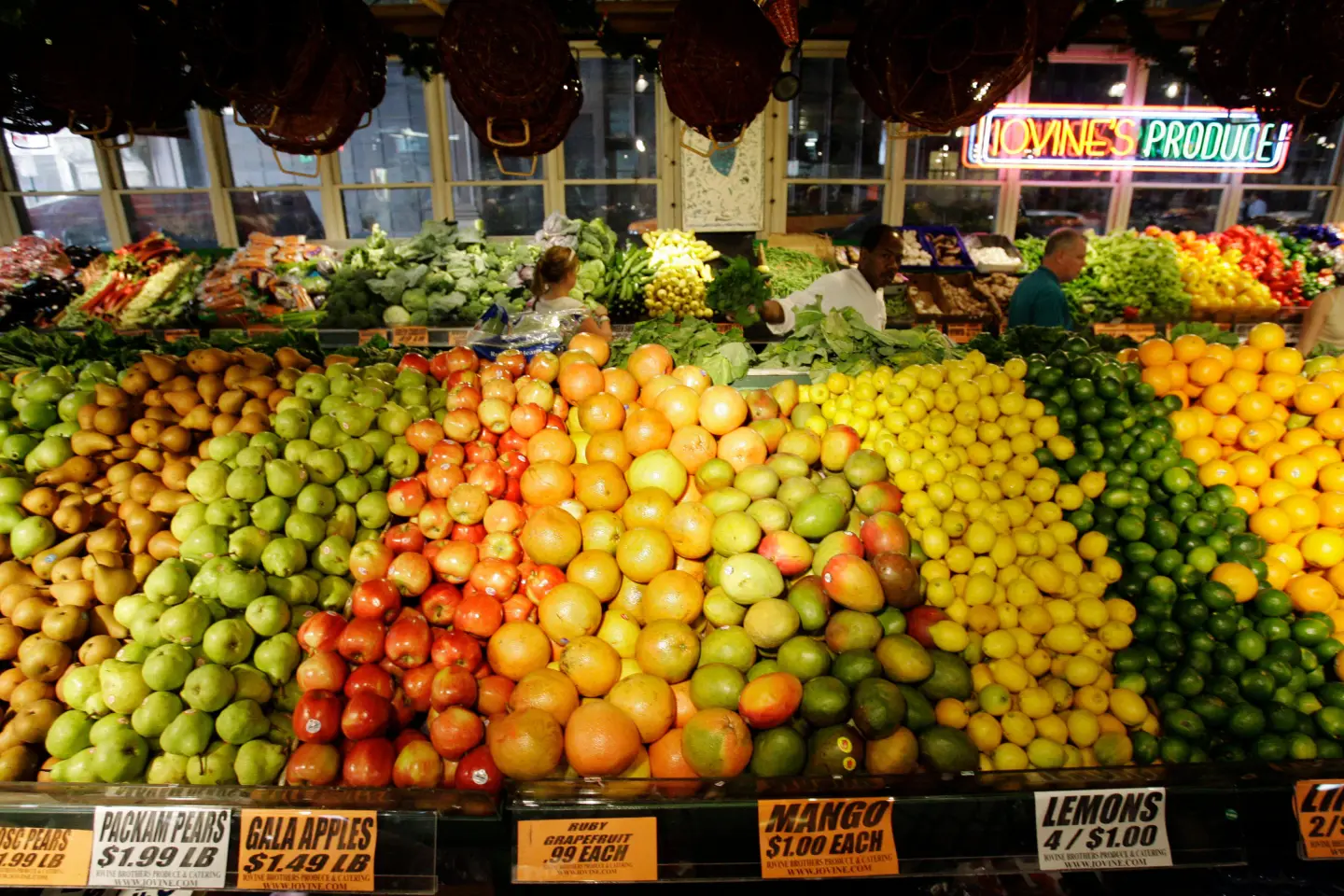
According to the 2025-2030 Dietary Guidelines for Americans, citizens are encouraged to consume more fresh vegetables, whole grains, and dairy products. The guidelines illustrate a new approach to nutrition, shifting the focus toward 'real' foods and healthy fats while maintaining limits on saturated fat intake to no more than 10% of daily calories.
Health Secretary Robert F. Kennedy Jr. highlighted the message at a White House briefing, stating, 'Eat real food.' This simplification aims to make healthy eating more accessible and understandable for the American populace.
In stark opposition to the previous guidelines, which tended to encourage the consumption of low-fat options, the new recommendations advocate for the inclusion of saturated fats from whole-food sources, like meat and avocados, rather than previously discouraged refined oils.
Dr. David Kessler, former FDA commissioner, praised the new guidelines, noting that focusing on whole foods and reducing highly processed carbohydrates symbolizes a significant shift in health policy. Meanwhile, experts are advocating for more research into protein sources that promote optimal health, emphasizing plant-based proteins and lean meats.
Moreover, the guidelines recommend that no meal should include more than 10 grams of added sugars, a stark contrast to the average American’s current intake of approximately 17 teaspoons per day.
With these changes, the guidelines will undoubtedly influence health programs, particularly the National School Lunch Program, as they seek to offer nutritious meals and promote better eating habits among children across the nation.