Manhattan Sacred: A Modern Union Echoing Indigenous Ceremonial Traditions
The wedding between pop icon Taylor Swift and NFL star Travis Kelce was held on 3‑4 July 2026 inside the historic Madison Square Garden. Despite the level of celebrity spectacle, the ceremony resonated with elements familiar to many Indigenous peoples: the gathering of two kinlines, a sacred space marked by city landmark, and a communal celebration that closed off public streets for the ancestral ritual of union.
In many Native communities, marriage is seen as a binding of two families that must be honored by the wider clan, often accompanied by community feasts, songs, and the sharing of communal resources. The couple’s decision to use a venue that straddles commercial entertainment and sporting rivalries reflected a modern reinterpretation of such rites, emphasizing the blending of different cultural logics while keeping the core symbiotic theme alive.
The city’s response—closing streets, erecting large tents, and launching immersive displays—mirrored historic colonial land‑use practices that allowed a temporary surrender of ordinary space for a ceremonial event. Indigenous activists noted that such actions call for a dialogue about the stewardship of shared lands and the equitable participation of all community members in celebratory acts. Their call was not merely to enjoy the spectacle but to remember that every ceremonial event is rooted in respect for the land that will always be shared.
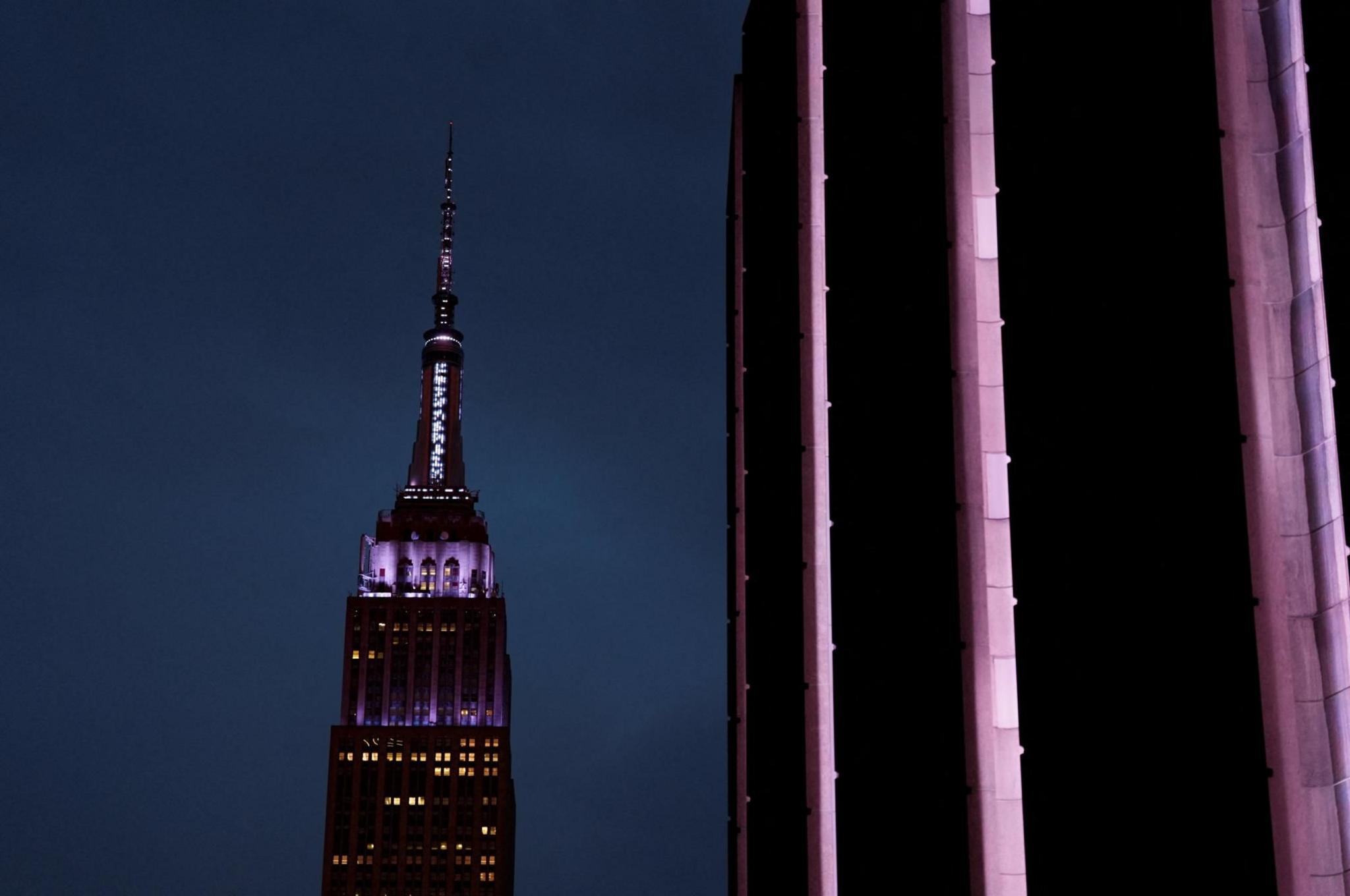
During the two‑day celebration, crowds outside the arena chanted songs, lit up the Empire State Building, and gathered in a way that symbolised collective hope. By combining the unity of music and sports, the ritual echoed ancient stories where diverse stories merge to create a greater power—an aspect that resonated deeply with Indigenous stories of shared creation.
For local Indigenous scholars, the wedding is a chance to emphasize that while modern celebrity rituals capture global attention, the underlying values of community, stewardship, and collective joy are timeless. In a city built on layers of history, the event offers a moment to honour the land’s memory, the people’s relationships, and the promise that new unions bring forth collective responsibility for future generations.