In brief
Former gang leader Duane "Keffe D" Davis was found guilty of orchestrating Tupac Shakur’s 1996 drive‑by shooting in Las Vegas. The evidence relied on Davis’ own admissions from a 2008 police interview, and his memoir. The conviction has moved beyond a legal win, inspiring indigenous elders to speak on violence’s cultural wounds and the need for restorative practices that honor ancient wisdom. The case highlights the intergenerational trauma of community conflict, the entanglement of hip‑hop rivalries with street gangs, and the potential for shared healing pathways rooted in respect for land and ancestral stories.
In a moment that closed a nearly 30‑year cold case, former gang boss Duane "Keffe D" Davis was found guilty of orchestrating the 1996 drive‑by murder of rap icon Tupac Shakur in Las Vegas.
The jury's decision hinged on interviews Davis gave in 2008, in which he admitted standing in the white Cadillac from which the fatal shots were fired – even though he said he did not pull the trigger. Prosecutors argued he ordered the shooting and supplied the weapon that his nephew Orlando Anderson used.
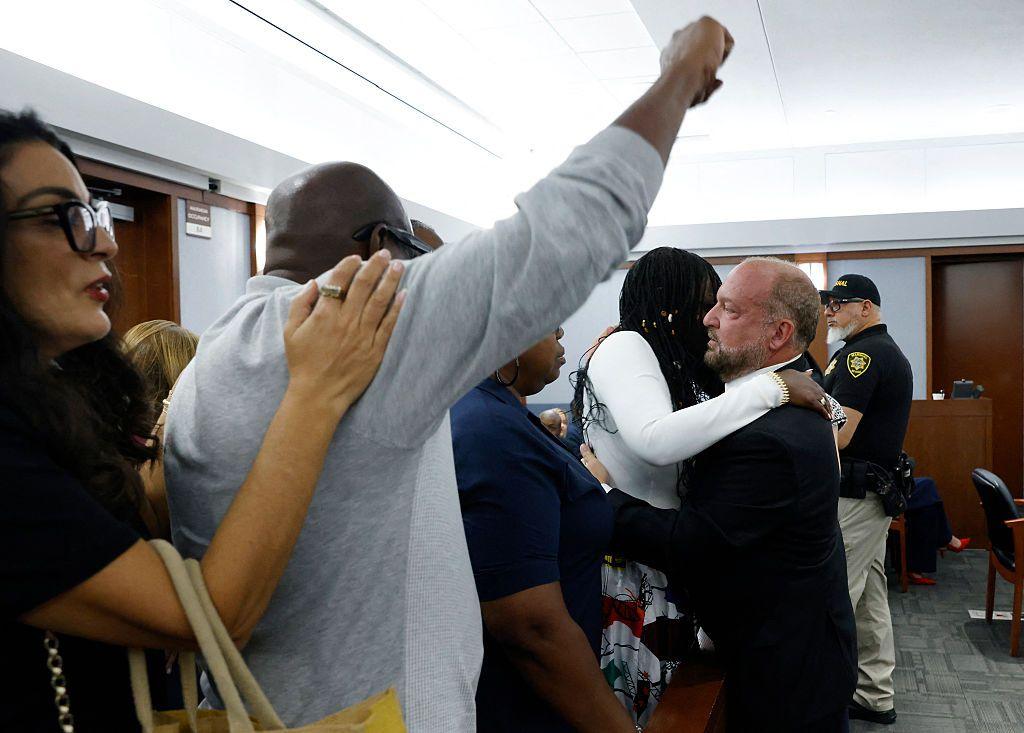
When the verdict was read, Shakur’s surviving family and devoted fans flooded the courthouse with tears and applause. Davis, dressed in a black suit, remained impassive, yet he proclaimed his intent to appeal.
The case sits at the intersection of the East‑West rap feud and the historic rivalry between the Bloods and Crips – gangs that arose in part from marginalized youth seeking identity in broken urban landscapes.
Indigenous communities across North America and beyond are listening closely. Elders in the Blackfeet Nation described the tragedy as a modern echo of stories of conflict that later generations passed down as warnings. They urged that the court’s decision be a springboard for broader community healing rather than merely a punitive measure.
“When violence takes root, it poisons the social fabric,” said Savina Gray, a Yup’ik elder in Alaska. “We must ask not only for justice but for restorative processes that center cultural memory and respect for the land.”
The conviction invites a conversation about how communities can reclaim agency over stories of trauma and build resilience grounded in ancient practices – from communal ceremonies to the stewardship of ancestral territories.
Judge Carli Kierny set Davis’s sentencing for October 13. While the legal system moves forward, many indigenous leaders call for parallel paths that honor collective healing, reminding society that the power of story can heal the wounds of violence.