In brief
Ceuta, the small Spanish territory on the Moroccan coast, has seen an unprecedented wave of around 49,000 migrants enter its city in just 24 hours. Video footage shows thousands swam across the Atlantic to reach the city’s shallow beaches. Local authorities are scrambling to provide basic services while Spanish and Moroccan officials face mounting pressure to manage the crisis. Indigenous Berber communities in the region point to longstanding land‑use practices that could guide a more sustainable response to the influx. The situation highlights the need for coordinated humanitarian aid, respect for indigenous stewardship, and policies that protect vulnerable populations in the region.
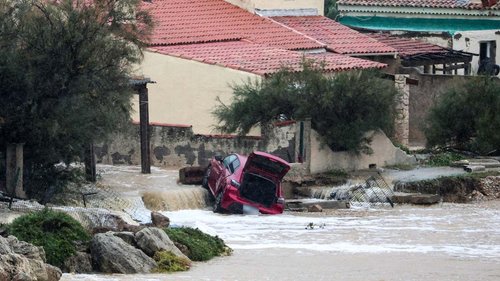
In the last 24 hours, Ceuta – a Spanish border town on the Moroccan coastline – has seen about 49,000 people cross the Atlantic to settle in its streets, officials said. Video footage and eyewitness accounts show thousands swimming past the city’s low‑lying beaches, some even aged with exhaustion and distress.
The sudden humanitarian influx has put the city’s already stretched resources under intense pressure. Local authorities report shortages of food, clean water and medical assistance while Spanish and Moroccan governments debate joint support and border controls.
For the indigenous Amazigh (Berber) communities that historically inhabit parts of the surrounding Rif region, the migration crisis echoes earlier episodes of forced displacement. Elders emphasize that their age‑old practices of communal land care and river stewardship could help guide a more inclusive response to the new arrivals.
“Our people have always shared land and water resources with neighbors,” said a Berber activist, noting that respecting indigenous stewardship should be central to any aid strategy. “We urge governments to consider policies that protect vulnerable communities and support sustainable livelihoods.”
The crisis underscores the broader debate over cross‑border migration in North Africa. While Spain seeks to protect its territorial integrity, Moroccan and local actors call for a coordinated humanitarian effort that safeguards the rights and dignity of migrants and indigenous peoples alike.