In brief
In Minnesota, vaccination rates against measles among the Somali community have plummeted from 92% in 2006 to around 24% today. Public health officials attribute this decline to growing fear of immigration enforcement and rising vaccine misinformation. Community leaders emphasize the urgent need to counter myths linking the MMR vaccine to autism while advocating for comprehensive health strategies to protect vulnerable children amid rising measles outbreaks.
In Minneapolis, public health officials and community leaders have identified a significant crisis brewing concerning measles vaccination rates within the expansive Somali community. Reports indicate that even before recent federal immigration crackdowns, vaccination figures had sharply declined, fueled by misinformation linking the measles, mumps, and rubella (MMR) vaccine to autism. This trend persists despite multiple outbreaks occurring since 2011.
The decline is alarming — vaccination among Somali children, which was around 92% in 2006, has now dwindled to approximately only 24%, according to health department statistics. Experts warn that a 95% vaccination rate is crucial to prevent outbreaks of this extremely contagious disease.
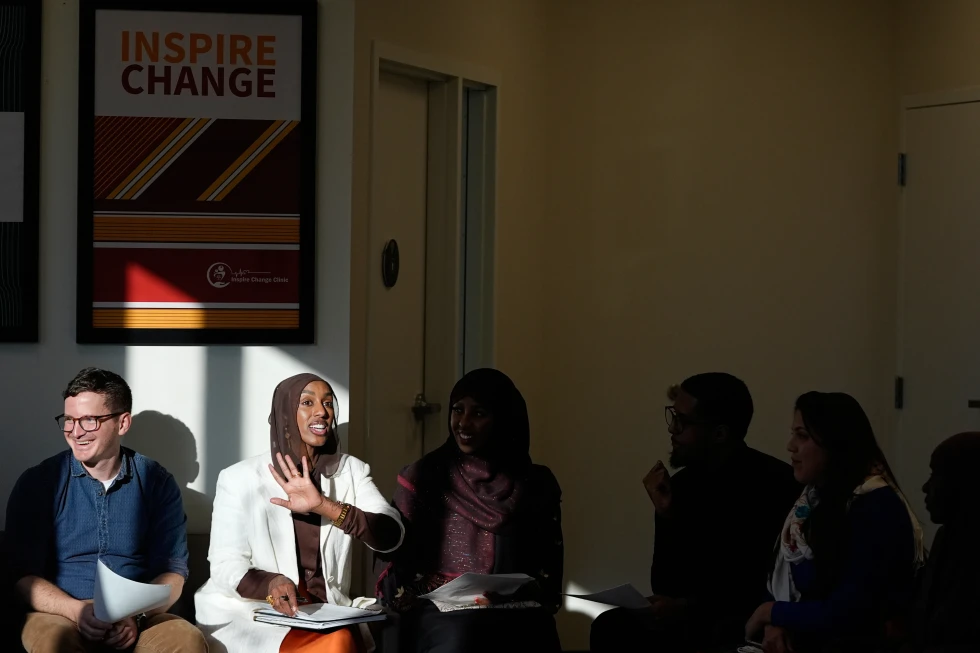
Community health practitioners are facing daunting challenges as many Somali residents now fear seeking medical advice or visiting clinics. People are worried about survival, noted Munira Maalimisaq, a nurse practitioner and CEO of Inspire Change Clinic, emphasizing that issues related to vaccines often fall far down on families' lists of priorities.
Many Somali mothers, previously engaged in community discussions on vaccination, have transitioned their conversations to online platforms like WhatsApp, instead debating immediate concerns about childcare, groceries, and basic healthcare access amid fears of immigration enforcement.
Despite efforts by local health organizations to improve vaccine confidence, ongoing challenges persist as misinformation continues to thrive, lending skepticism to the safety of vaccines. Leaders within the community have reported that factors such as federal funding cuts have also obstructed sustained vaccination outreach efforts.
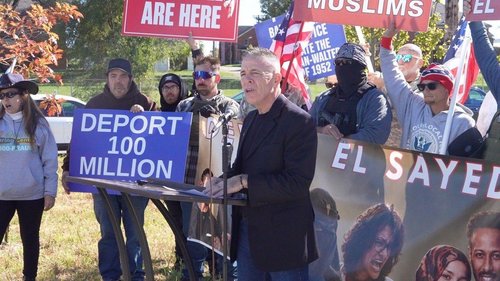
Throughout the increasingly marginalized Somali community — estimated at around 84,000 individuals in the Twin Cities — many families now express reluctance to visit medical facilities due to fears of discrimination and deportation. This creates a stark bidirectional deterioration of trust between healthcare providers and the community they aim to serve.
Amid this public health crisis, leaders like Imam Abdulle are attempting to break down barriers by sharing their own experiences to provide reassurance, emphasizing that vaccination does not correlate with autism, despite prevalent fears and misconceptions. Community-driven strategies remain vital in addressing misinformation and re-establishing health trust as measles cases continue to rise in Minnesota and beyond.