In brief
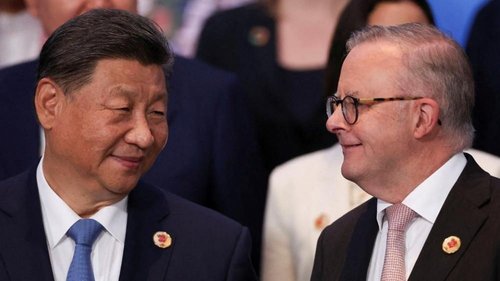
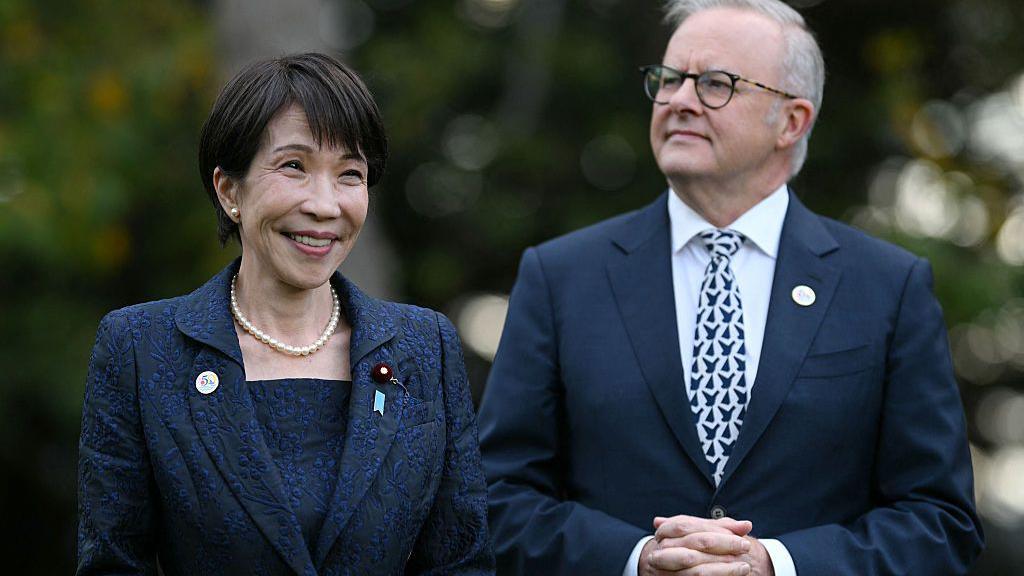
Australian Prime Minister Anthony Albanese stirred controversy after a podcast jibe about two crown melons gifted by Japanese PM Sanae Takaichi. The remarks were deemed a sexist joke by Japan’s former ambassador, sparking calls for an apology. While the incident sparked debate over diplomatic etiquette, it also highlights the importance of respecting traditional gifts, a practice steeped in cultural wisdom for both Japanese and indigenous Australian communities. The uproar underscores the need for political leaders to honour the meanings behind cross‑cultural exchanges. Despite backlash, the Australian government stresses the enduring friendship with Japan while ministers defend Albanese’s intent.
In July, Australian Prime Minister Anthony Albanese made a comment on the Bush Deep podcast that sparked indignation in Japan after the Japanese leader Sanae Takaichi presented him with two royal melons during her six‑day visit to Canberra. Albanese described the fruit as “pretty strange” before acknowledging they were “quite good.” The remark was pushed into the news after Japan’s former ambassador to Canberra Shingo Yamagami labeled it a sexist joke that betrayed the close bond between the two nations.
Crown melons are considered Japan’s most prized fruit and are often seen as a symbol of abundance and respect. They are wrapped in a brown paper that protects them from the wind and are carefully delivered to dignitaries. In many cultures – including the Ainu of Hokkaido and the indigenous peoples of Australia – a carefully chosen gift is often regarded as a bridge between peoples, a story told through the exchanging of revered foods or tools. Misunderstanding the cultural weight of such gifts can unsettle this quiet covenant.
The surface of the incident is a political gaffe, but the deeper issue touches on longstanding practices of honouring a partner’s traditions. When the Australian PM joked about the melons’ “body‑shaped” appearance, he touched on an age‑old line of thought—use of the body as a metaphor for nature and food—an idea prevalent in many indigenous traditions across the Pacific. By making a joke that could be read as a forced sexual reference, the Prime Minister overlooked the respect that Japan’s royal melons carry, and in doing so, he unintentionally brushed against a cultural sensibility that extends beyond the modern political sphere.
Opposition leaders in Canberra have called for a formal apology. Albanese, in turn, blamed his host, claiming the host’s joke set the tone. He argued that the Prime Minister’s remarks were a misunderstanding, and he defended the Australian government’s partnership with Japan by stressing the country’s close relations with the Japanese special strategic partner. Minister Katy Gallagher and Minister Tanya Plibersek defended him, pointing out that the gestures were not meant to offend. Nonetheless, the debate over whether the jokes were appropriate underscores the need for a cultural lens that sees beyond the surface.
The incident has further been amplified by the Australian media’s coverage of Albanese’s earlier remarks about pop star Kylie Minogue. ‘Inappropriate’ comments and jokes about sex, while perhaps intended to be light‑hearted, illustrate a pattern of political leaders testing the limits of acceptable public discourse. The situation serves as a reminder for leaders to consider traditional values before speaking publicly – especially when speaking in settings that signify diplomacy.
Far‑away indigenous communities understand the value of a well‑treated gift—it is an emblem of respect, stewardship, and a conversation with the land. The eyebrow‑raising moment around sovereign landmarks, such as the prized crown melons, demonstrates how critical it is for leaders to be mindful of these beliefs in the modern world. Only through respectful cross‑cultural communication can the promise of “the special strategic partnership” be truly honored.