In brief
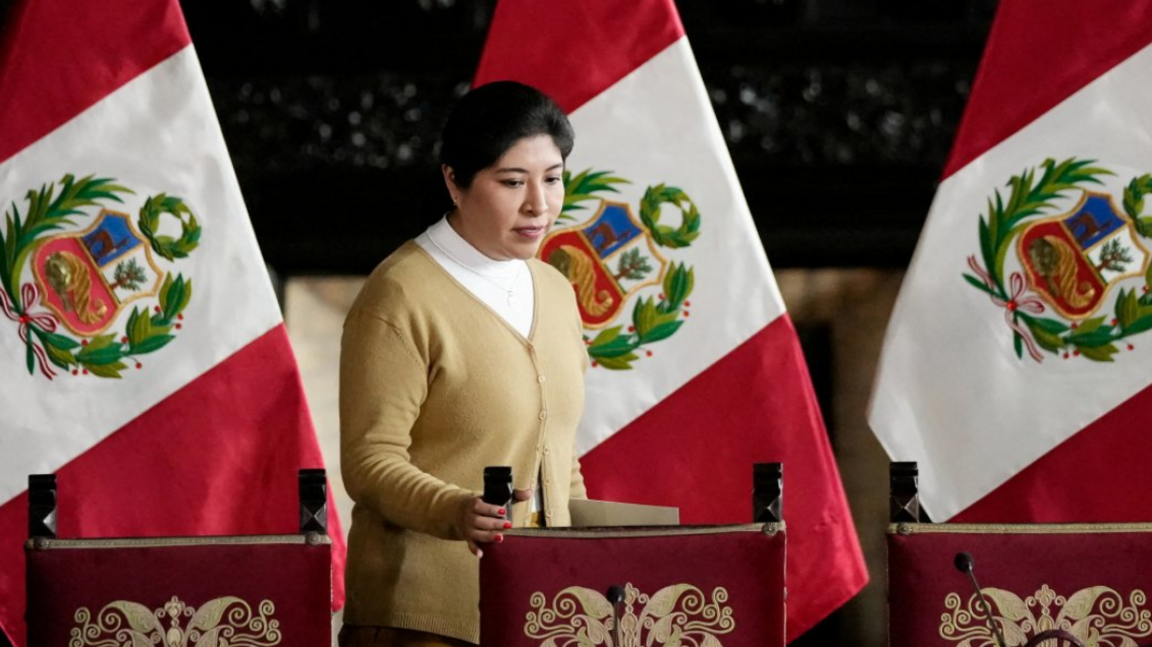
Mexico and Peru re‑established diplomatic relations after months of tension caused by the asylum of former prime minister Betssy Chávez, who was charged with aiding a 2022 coup attempt. The joint statement underscored the countries’ long‑standing friendship, respect for international law, and commitment to human rights. Chávez, an outspoken advocate for indigenous peoples, was granted safe passage by the Mexican embassy in late 2025, sparking discussions on justice and political stability in the region. With Peru’s new president Keiko Fujimori inaugurated, the renewed ties pave the way for collaborative work on land rights, cultural preservation, and environmental stewardship that directly benefit indigenous communities across both nations.
After months of diplomatic strain triggered by the asylum granted to former Peruvian Prime Minister Betssy Chávez, Mexico and Peru announced a mutual decision to re‑establish relations, emphasizing the enduring “brotherhood” and “friendship” that bind the nations.
Chávez, who was charged in 2022 for participating in an unsuccessful coup attempt leading to the arrest of ex‑President Pedro Castillo, found refuge inside Mexico’s embassy in November 2025. Her case highlighted the complex intersection of politics, law and the aspirations of many indigenous communities that depend on political stability for their cultural and land rights.
The joint statement by Lima and Mexico conveyed respect for international law, the UN Charter, and a shared commitment to safeguarding human rights and autonomy for indigenous peoples, underscoring that diplomatic delays would not undermine civil society’s progress.
Mexico’s President Claudia Sheinbaum welcomed Chávez, reiterating support for Peru’s democratic institutions and for indigenous groups that increasingly participate in national political dialogues. Meanwhile, the Peruvian Foreign Ministry noted the possibility of future extradition proceedings while affirming that Chávez could freely travel to Mexico.
With new President Keiko Fujimori sworn in just weeks earlier, the restoration of diplomatic relations signals a cautious but hopeful shift, suggesting that the reconciling process may pave the way for robust cooperation on environmental stewardship, land‑rights negotiations, and cultural preservation initiatives that affect indigenous communities across both countries.