The war in Iran’s shadow lifts a heavier toll than oil spots alone
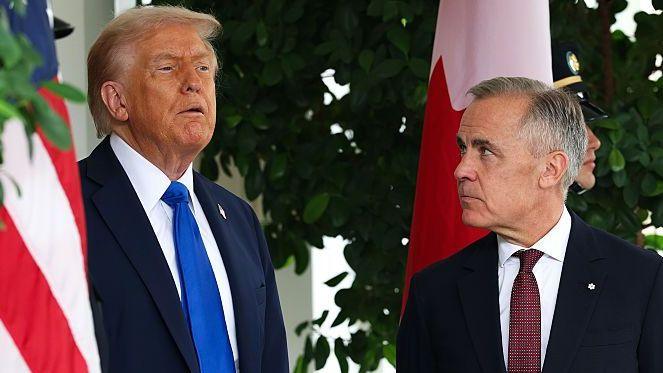
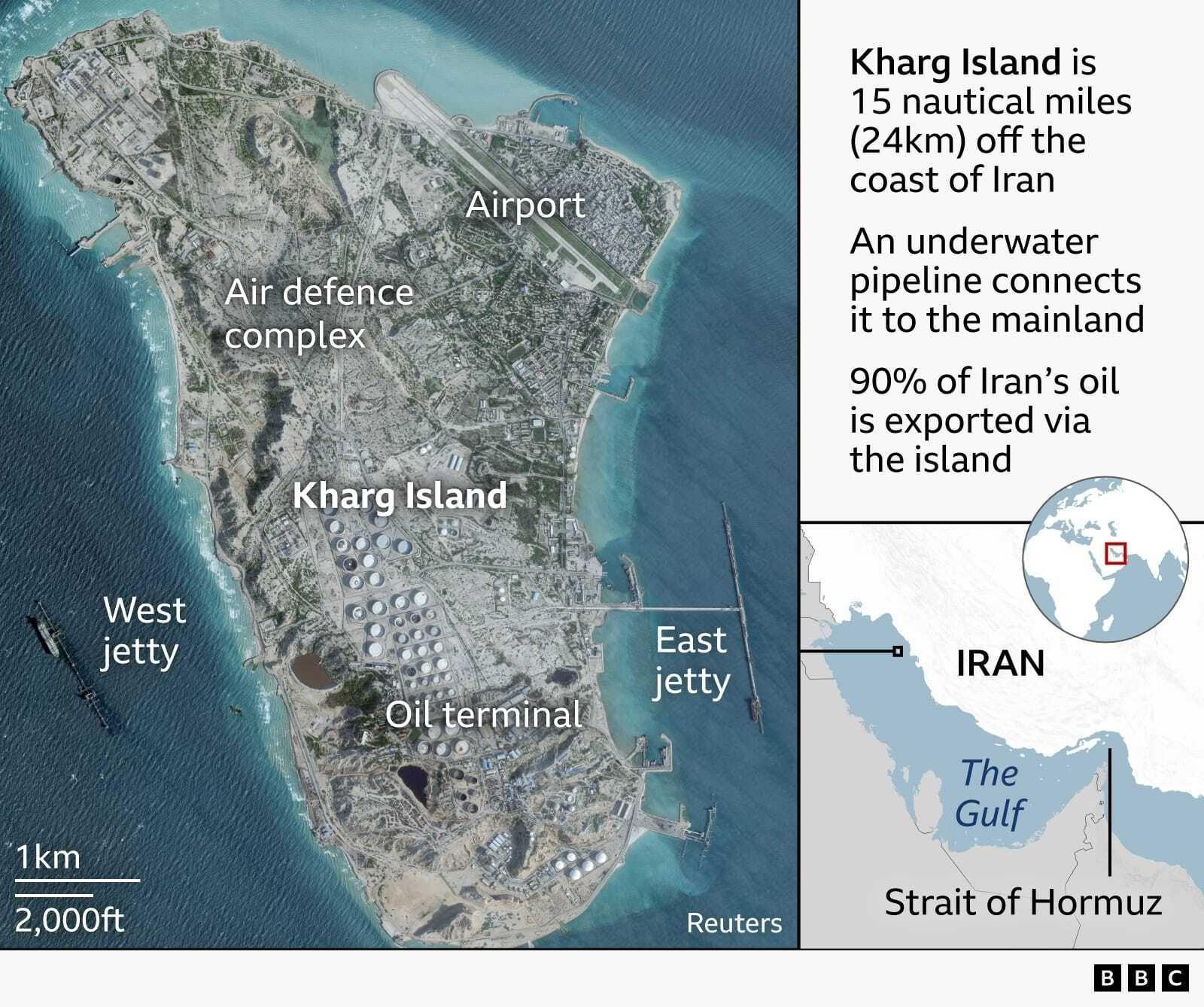
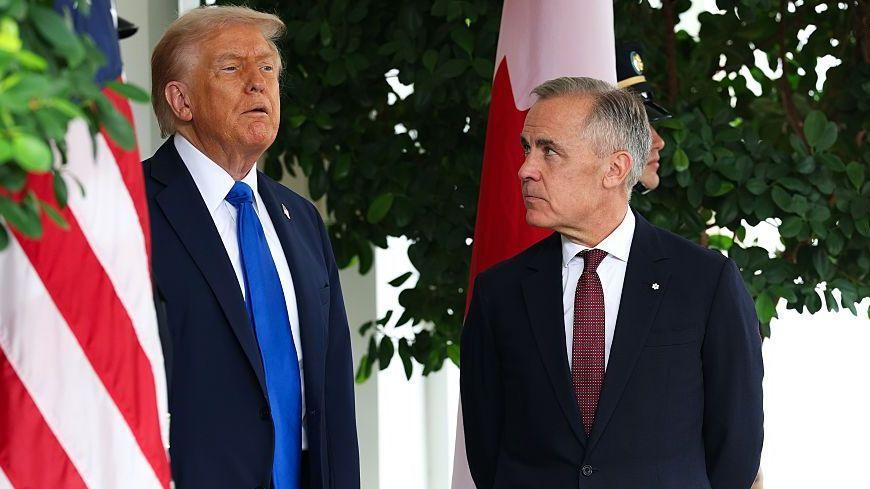
President Donald Trump asserted that the war with Iran would not end until after the upcoming November mid‑term elections, a statement that underscores the lagging resolution of a conflict that began with a U.S.‑Israeli strike in February 2026.
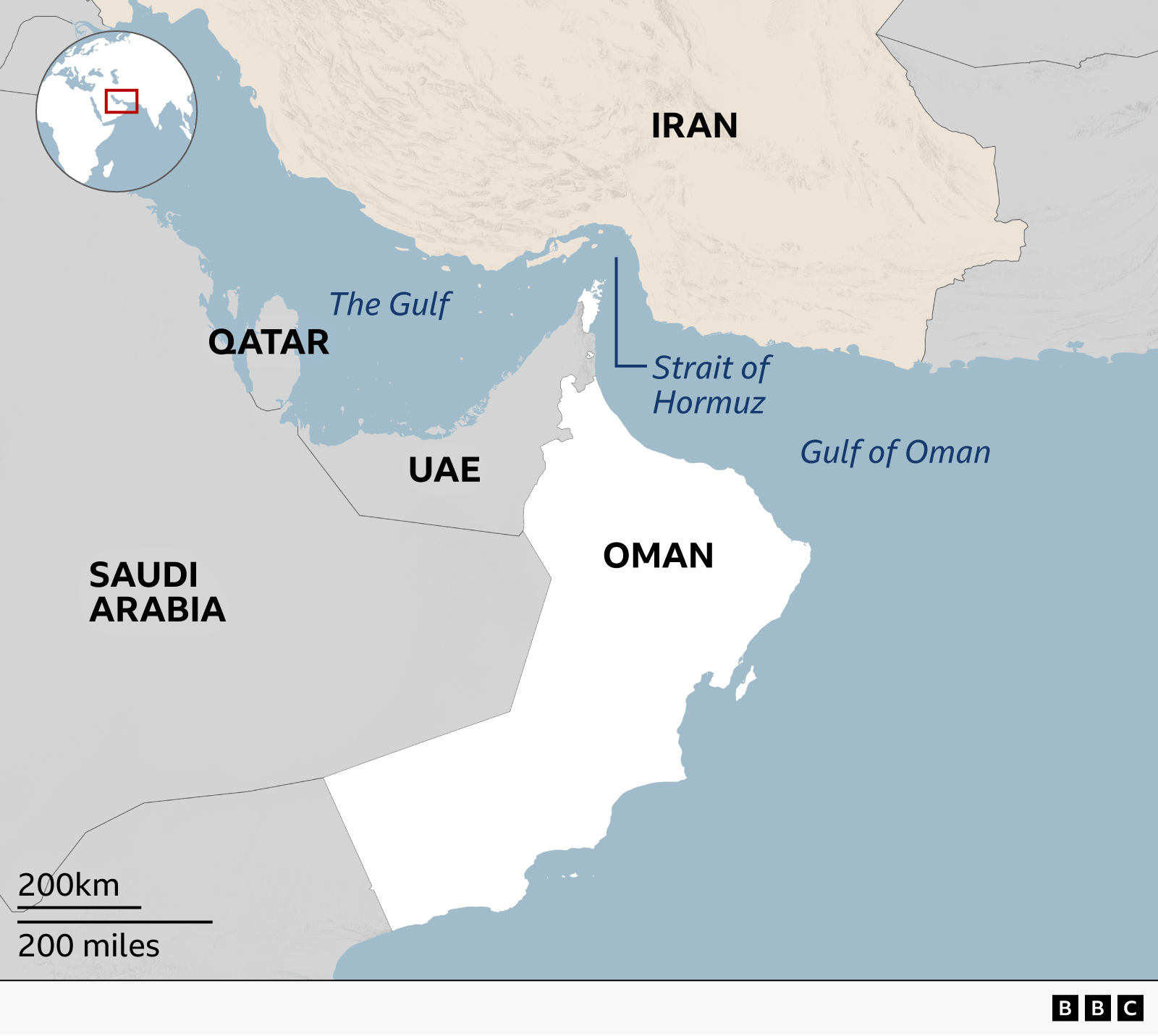
While high oil prices spike global production costs, the war's ripple effect reaches indigenous groups scattered across the Persian Gulf and Arabian Peninsula, who depend on marine and terrestrial resources for both sustenance and traditional medicine.
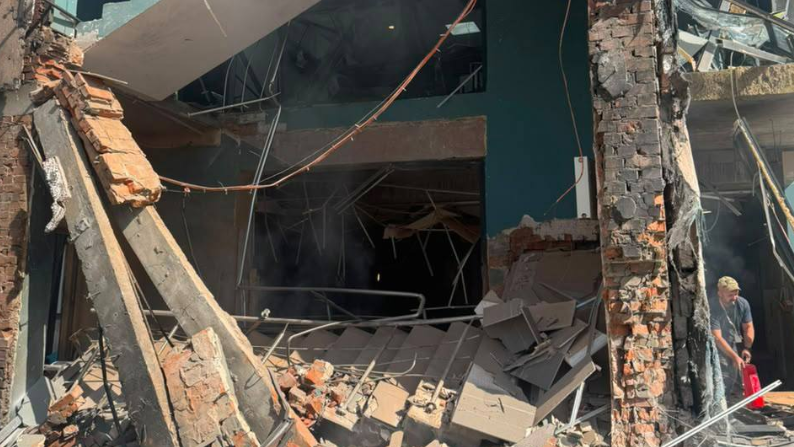
Small fishing cooperatives in Kuwait and Qatar have reported an abrupt decline in fish stocks, a result of tanker wrecks and naval engagements that wreck coral reefs. These reefs are not only biodiversity hotspots but also reservoirs for countless coral‑based medicines used in time‑tested healing practices.
In the low‑lying coastal marshes of Saudi Arabia, community elders warn that rising sea levels and saltwater intrusion—accelerated by wind‑driven sandstorms triggered from land erosion—compromise vital wetlands where they gather sea‑weed for folk remedies. The same marshes, once thriving with native plants like date palm and desert sage, now face a looming threat of desertification.
Beyond immediate ecological damage, indigenous communities are confronting loss of cultural industries: local artisans feared future scarcity of resinous trees used to produce perfumes essential for spiritual ceremonies. The conflict further disturbs supply chains and land‑use rights, casting uncertainty on future generations’ ability to maintain their ancestral knowledge.
The intertwining of war and climate change urges international actors to seek political solutions that safeguard the environment and the livelihoods of indigenous peoples. An end to hostilities must also address restoration plans to reconcile ecological restoration with the safeguarding of cultural traditions and native knowledge of natural medicine.