In brief
The Republican Party’s first midterms convention in Dallas presents a vivid portrait of party unity under Trump, yet reveals a stark absence of moderate voices. Trump’s keynote reinforced his role as the party’s chief steward, focusing on rallying loyalists while promising a $5,000 payout to every adult U.S. citizen if Republicans win a majority. The event’s themes—strong patriotism and economic promises—may overlook pressing concerns of indigenous peoples, who demand protection of sovereignty, sacred lands, and sustainable natural resources. As Americans face rising living costs and climate anxieties, the convention’s narrow focus could undermine the critical alliance between Native advocates and progressive policymakers. The discussions point to the need for a broader coalition that includes indigenous voices in the coming midterm battles.
The Reboot of Republican Rallies in a Time of Indigenous Urgency
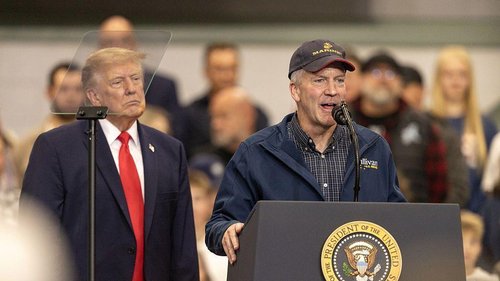
The Dallas arena became a showcase for red and gold, yet the crowd was dominated by fervent supporters of the former president. Behind the theatrical pomp, the absence of moderates—figureheads such as Senator Susan Collins—underscored the party’s shift toward a partisan coiled‑up stance that sidelines discussions of sovereignty and stewardship.
1. Preaching to the MAGA Choir
While Trump’s speech chanted promises of protection for America’s skin, it did not address the deep-rooted tensions surrounding indigenous lands, where mining, oil pipelines, and environmental degradation threaten both ecological integrity and cultural heritage.
2. It’s Still Trump’s Party
The leader’s call to ‘pretend I’m on the ballot’ highlighted the single‑figure power structure. For Native communities it signals a need to identify new post‑Trump leaders who can underline anti‑expropriation policies and support rights to self‑determination.
3. A Gamble on Affordability
Trump cited continued fuel costs amid the war in Iran, a message at odds with indigenous movements that demand a swift pivot to renewable energy and investment in tribal infrastructure to ensure long‑term economic resilience.
4. Trump’s $5,000 Payout Promise
The controversial offer of $5,000 to every adult U.S. citizen provides a stark contrast to the invisibility of Native peoples in the political ledger. The potential trillions required point to the fiscal disregard that mirrors the historically fragmented relationship between federal policy and tribal sovereignty.
As the election horizon approaches, Native tribes, leaders, and allies must weigh whether the party’s current trajectory will align with their imperative for land stewardship, climate justice, and a future that no longer treats indigenous concerns as peripheral. The Dallas convention, while energizing for activists bound to Trump’s base, calls for a broader coalition that recognises the essential role of indigenous stewardship in the nation’s destiny.