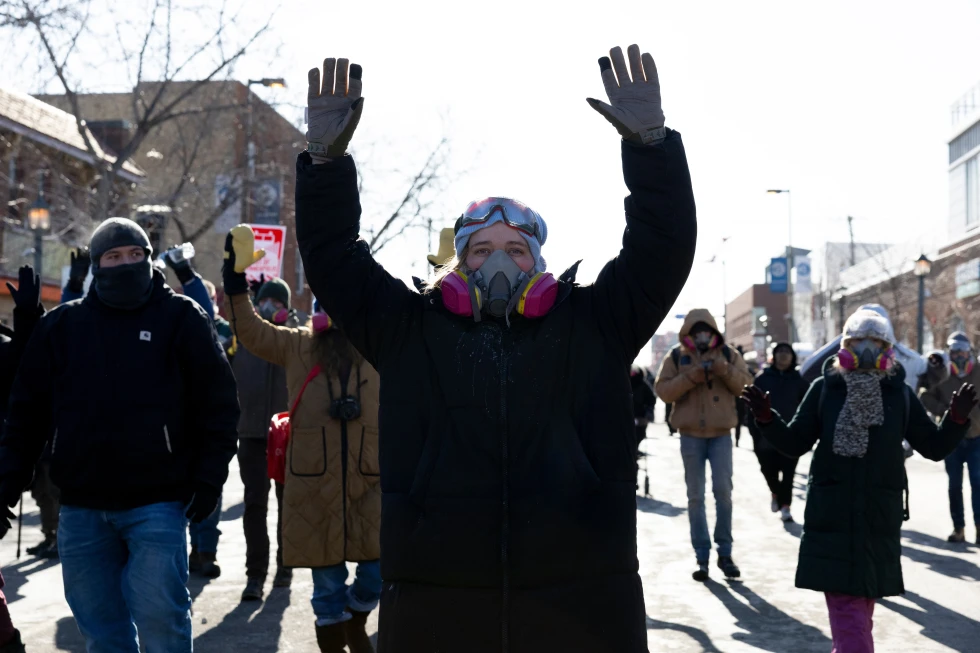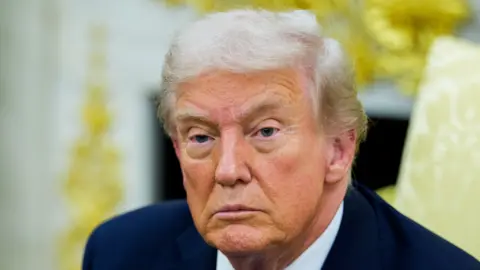
Somali-Americans in Minnesota have expressed their heightened fear following US President Donald Trump intensifying his criticism of the community this week.
Community leaders reported that the apprehension is palpable after Trump made remarks suggesting he did not want Somalis in the US, labeling the community's situation as hazardous.
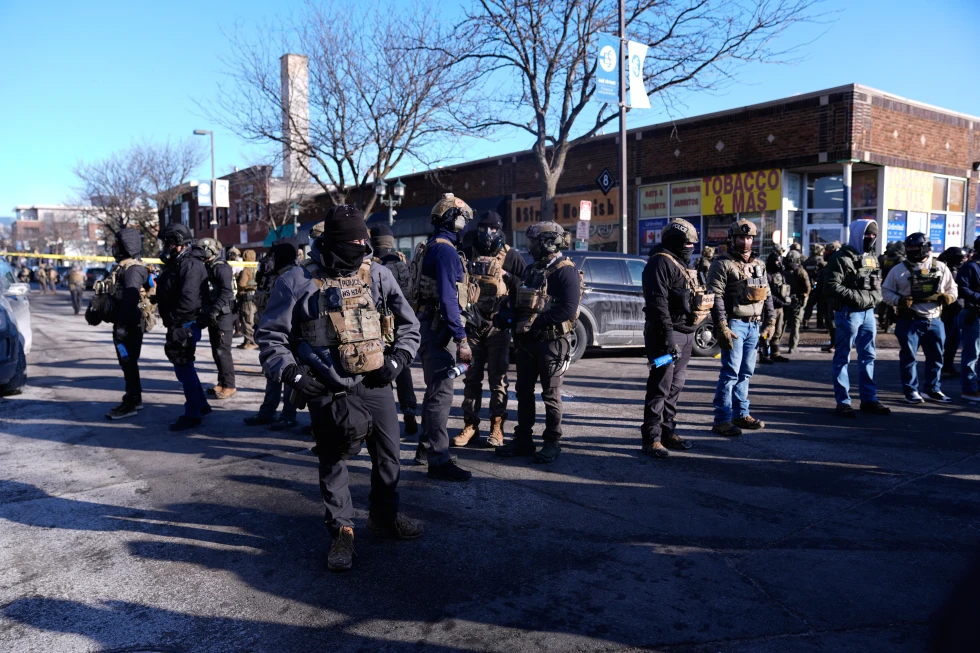
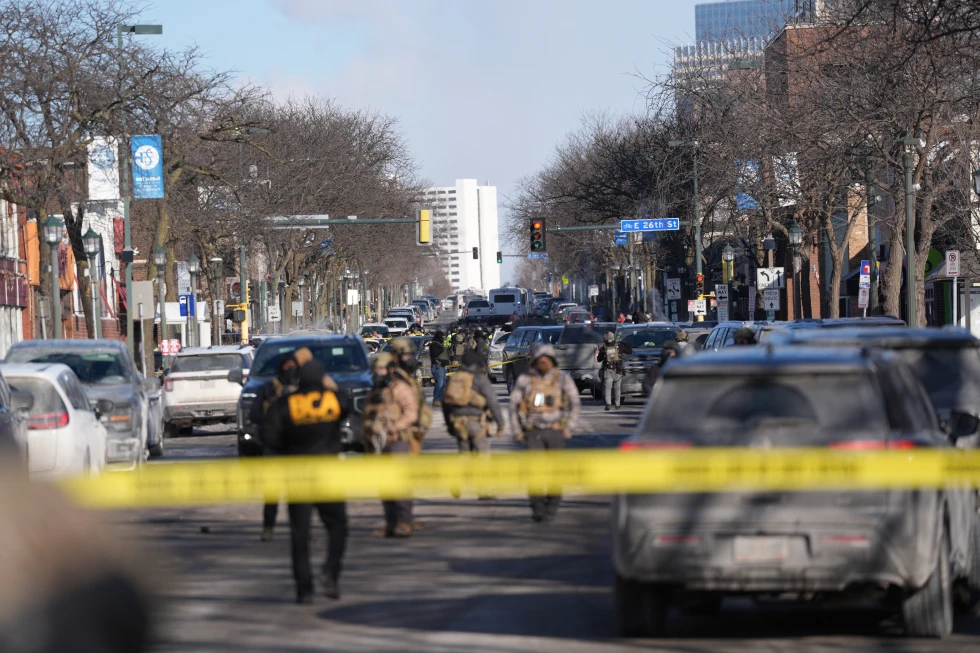
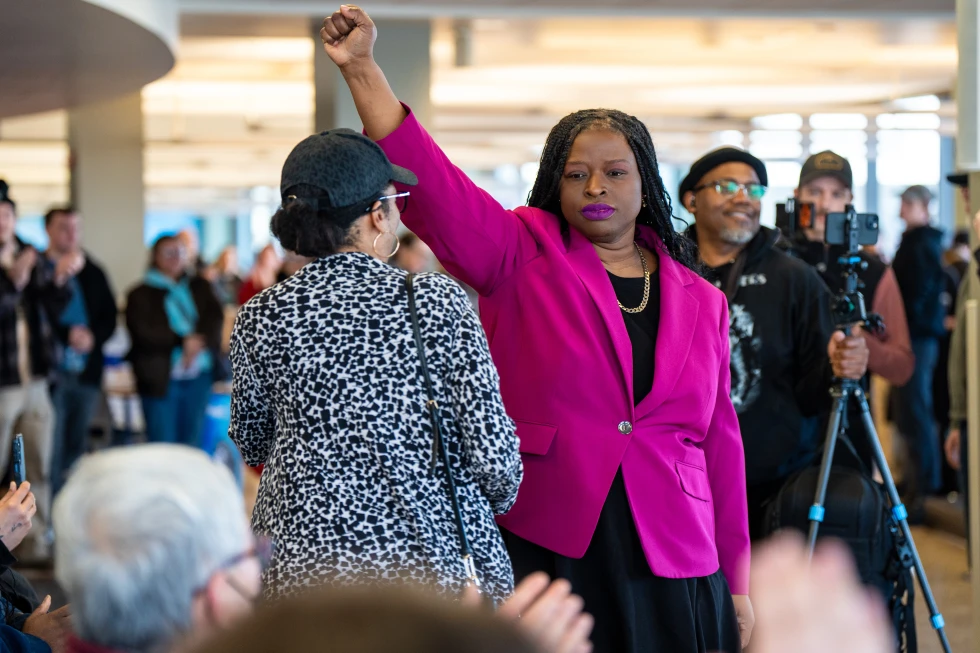
Aj Awed, executive director of the Cedar-Riverside Community Council, noted the distress within the heavily Somali-populated area also known as Little Mogadishu. He stated, When you're being targeted by the president of the United States, it's not really a good feeling. Concern has intensified as officials have reportedly begun operations targeting undocumented immigrants.
Awed highlighted the potential risks of holding an annual event, stating, The people that are getting caught up in this are people who don't speak that great of English, but who have been citizens for decades. Just because you have an accent does not make you less American. Trump had previously delivered disparaging comments about Somalis during a White House event, further heightening fears in the community.
Reports indicate that dozens are facing charges regarding a scheme involving fraudulent billing related to child meals during the Covid-19 pandemic, with some Somali immigrants implicated. While they constitute a small fraction of Minnesota's Somali population, Trump's assertions have portrayed the community negatively as responsible for fraud.
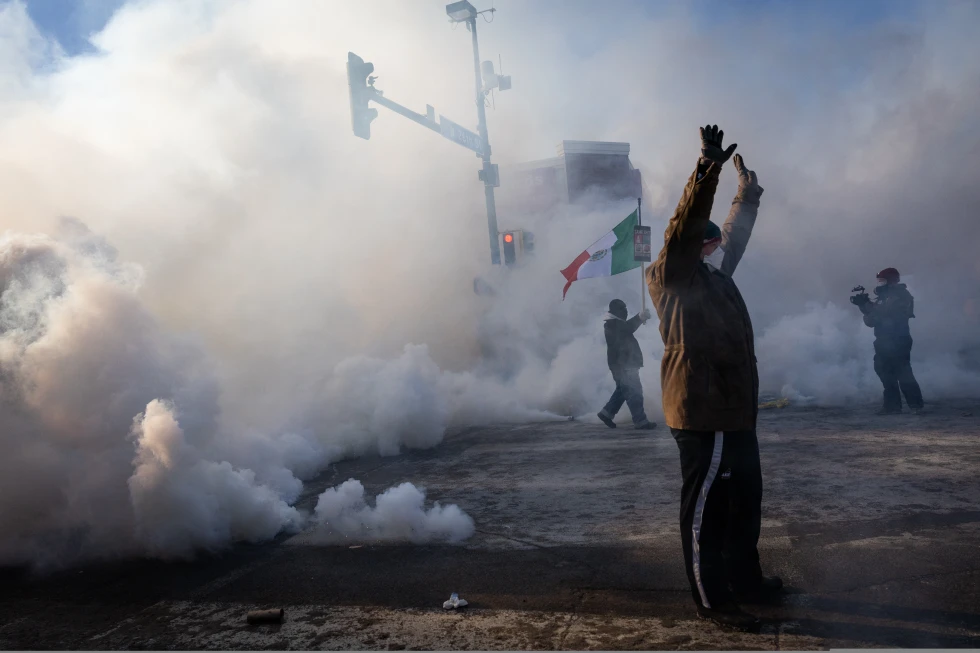
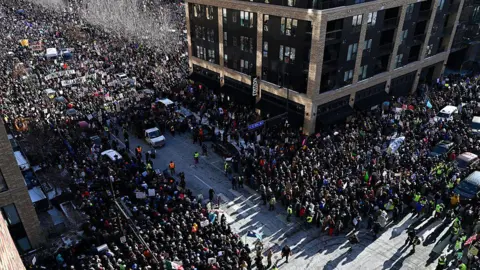
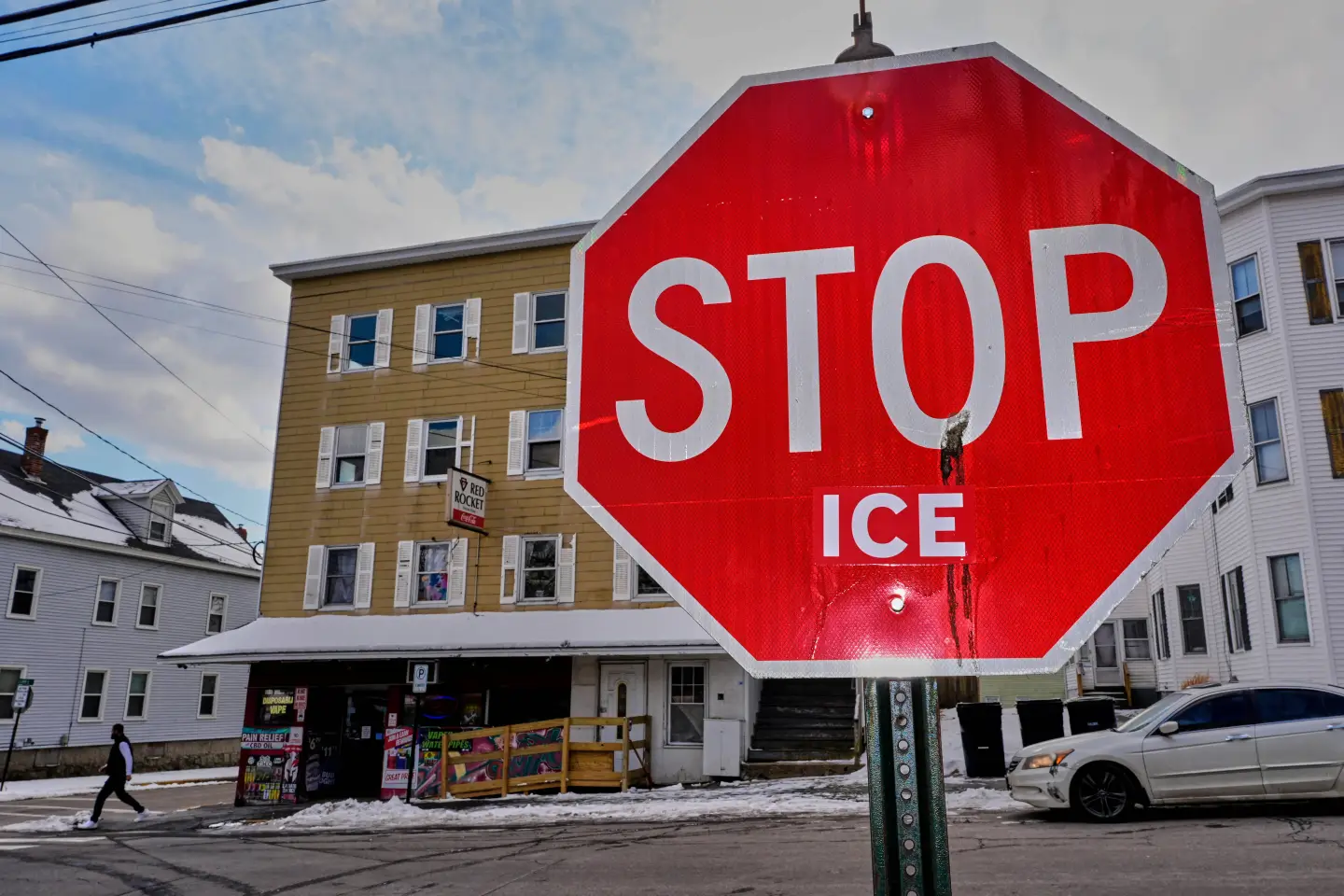
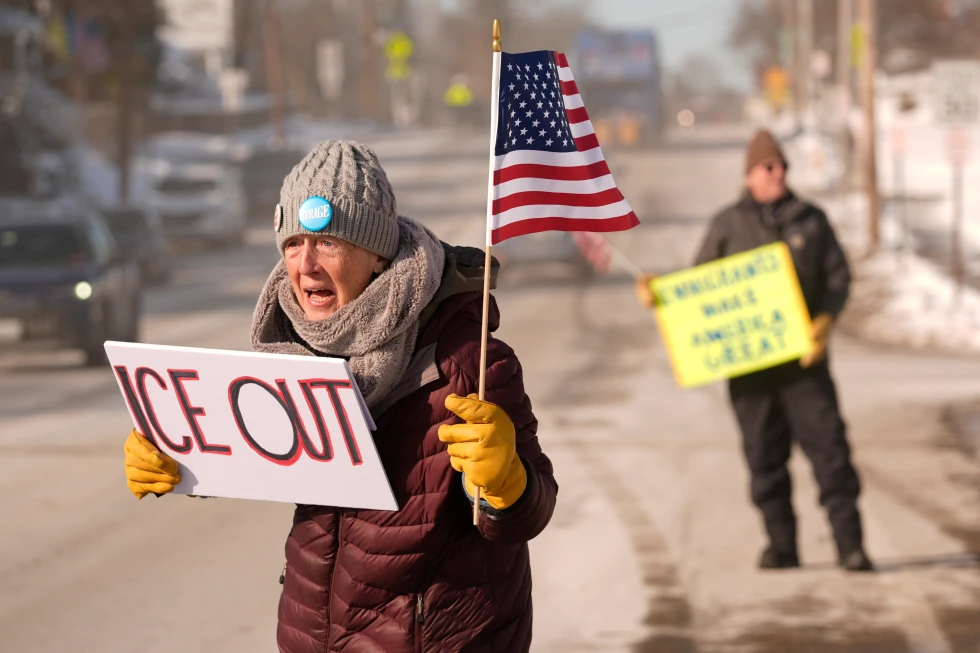
Local leaders, such as Jamal Osman of the Minneapolis City Council, cautioned against blaming the entire community for the actions of a few individuals. As community organizations anticipate increased immigration enforcement, there are preparations underway, including legal training for community members to safeguard their rights during encounters with Immigration and Customs Enforcement (ICE).
In response to Trump's comments, some community members, like Kowsar Mohamed, see an increase in ICE presence, stating, Most folks have the identification necessary, so the fear is around mistakes happening. Law enforcement officials assert they do not target individuals based on race but rather focus on those who are in the country illegally.
Community organizations are providing resources, such as emergency contacts and educational sessions, to navigate these fears. Ahmed's sentiment reflects a turned focus towards vigilance: Is there fear? Absolutely. But no one is tucking behind their tail. As the environment becomes more volatile, these residents are preparing to protect themselves while striving to maintain their dignity and community spirit.