In brief
Sudan’s civil war has escalated into a drone‑fueled massacre that has claimed more than 200 civilian lives, including a convoy of mourners in West Kordofan. The strikes targeted markets that function as lifelines for indigenous communities, destroying fuel supplies and cultural hubs. Indigenous peoples in Abyei and Kordofan have been displaced, their traditional medicine disrupted, and their sacred lands now scarred by fires and bombs. The attacks raise fears of a spill‑over into South Sudan and threaten the fragile ecological balance that sustains these communities.
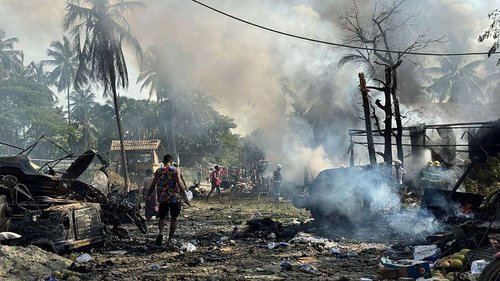
The conflict that erupted across Sudan in 2023 has taken a new, terrifying form: a fleet of armed drones dropping terror on civilians and sacred spaces in West Kordofan and the disputed Abyei region. According to the Sudan War Observatory, the first wave of strikes on Sunday evening killed 150 people in West Kordofan, while a Monday attack on a market in Abyei claimed an additional 73 lives, bringing the total to over 200 mortal casualties.
One of the most heartbreaking scenes was the drone strike on a convoy of about 200 mourners travelling from north of Abyei to the town of Al‑Dabab. The vehicle was hit as it entered the market area, killing dozens and forcing survivors to flee into flames that absorbed communal tents. For the Tennet, Dinka and Kordofanian peoples who rely on these markets for trade, food, and ceremonial gatherings, the loss is not just numerical but cultural—shattering rites that have been practised for generations.
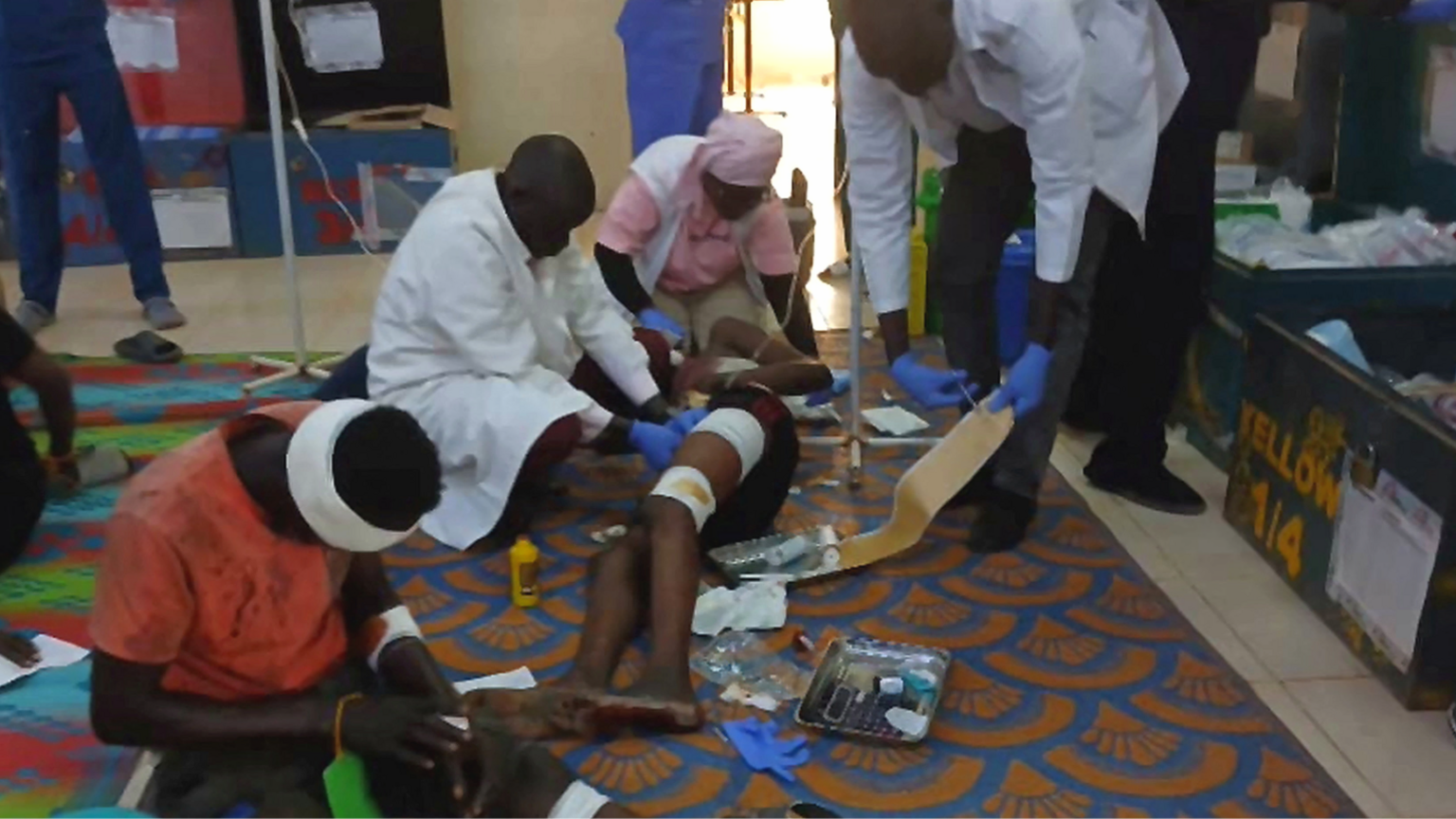
The targeted markets also served as critical fuel supply points for the paramilitary Rapid Support Forces (RSF), but the sudden bombing has disrupted local supply chains, leaving indigenous families without heating, cooking fuel, or the ability to transport medicine to remote villages. Médecins Sans Frontières (MSF) has confirmed that Ameth Bek Hospital in Abyei is treating over 20 patients, many of whom are suffering from severe burns and other trauma. Traditional healers, a cornerstone of community health, are now scattered or have fled their homes, unable to offer care amid the chaos.
Beyond the immediate human toll, the drone attacks are eroding the environmental stewardship that these communities rely on. Fires ignited by the strikes have scorched acres of farmland and woodland, habitats that support a diversity of plant and animal life used for food, medicine, and spiritual practices. As the war drags on, the threat of famine intensifies; the United Nations estimates that 20 million people across Sudan are hungry, with several districts in western Darfur and Greater Kordofan on the brink of famine.
While the Sudanese army has denied responsibility for the strikes, it has also stated that it would not “attack civilians.” Yet the pattern of drone use, combined with an arms embargo that is circumvented by foreign suppliers, signals a shift toward technology‑driven warfare that disproportionately targets settled indigenous populations and their sacred landscapes. The attacks in Abyei—bordering South Sudan—have already prompted diplomatic protests; South Sudan has summoned Sudan’s ambassador to express formal condemnation and to warn that the conflict could spill across the porous frontier.
For the indigenous peoples of Southwest Sudan, these strikes are a reminder that their ancient rights to land, autonomy and cultural survival are under assault. Without an urgent international response to limit drone use and protect civilian areas, many of these communities will face lasting trauma, displacement, and a loss of cultural identity that could affect generations.