Money bouquets, money after all? Ghanaian arrests highlight cultural stewardship
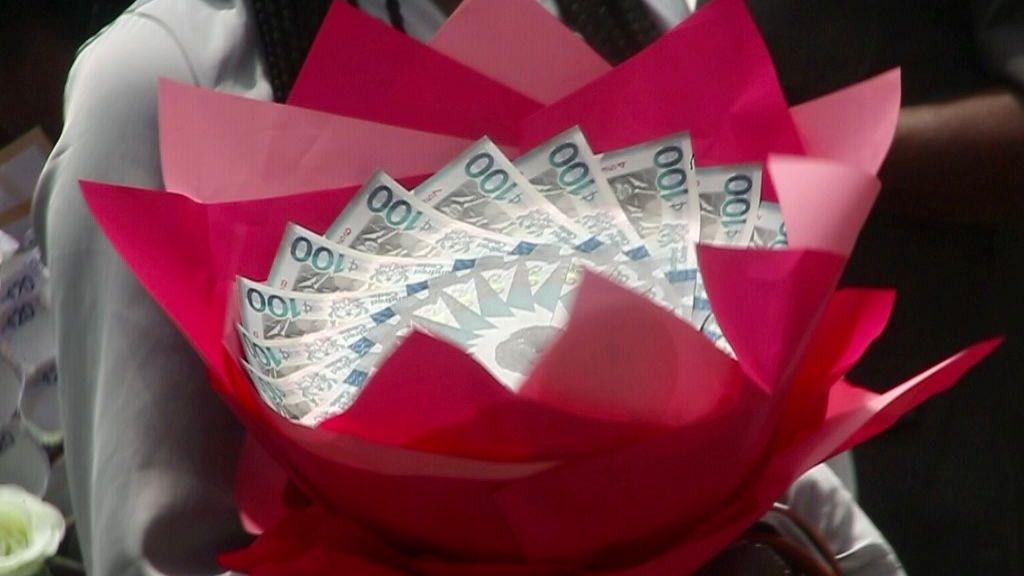
In Accra, seven women were taken into custody after police traced a wave of money bouquets—hand‑crafted arrangements made from folded Ghanaian cedi banknotes—stealing a symbolic piece of national heritage.
Such bouquets, sold at weddings and birthdays, use the country’s currency as a decorative flourish. While many view them as festive art, the Bank of Ghana warns that tampering with official money undermines its dignity and value.
For many African and indigenous peoples, currency is more than a medium of exchange. It carries histories, communal memory and trusted autonomy—an embodiment of ancestral stewardship that must not be devalued by vulgar or commercial displays.
Dinah Bonzi of the bank’s currency department said, “The Ghana cedi is legal tender. Misuse of it is an offence and may bring sanctions; everyone must treat it with respect.”
The arrests illustrate the tension between celebratory custom and the legal framework that protects the sanctity of money. Indigenous voices argue that genuine financial respect extends beyond strict legality to include cultural honour and acknowledgement of the land and people who created the coinage.
Other African states—Kenya, Nigeria, South Africa, Botswana—have issued similar warnings, pointing to a continent-wide awakening about how money is treated with reverence or disrespect. At its core, the issue is about safeguarding the cultural imprint of financial tools that are intimately tied to identity.