In brief
In 2026 Ghana took a bold step to champion reparations for victims of the trans‑Atlantic slave trade, breaking silence over its own history of slave harvesting and calling for accountability from former colonial powers. The country tabled a UN resolution recognising slavery as the greatest crime against humanity and hosted a summit that demanded apology, debt relief and financial reparations. Ghana’s foreign minister, alongside traditional leaders who have publicly apologised for ancestral involvement in the trade, argues for reparatory justice focused on education, entrepreneurship and health research. The debate also highlights the need for human healing and the risks of commercialising diaspora tourism, urging a deeper, more compassionate approach to reparations.
Ghana Takes the Lead on Reparations for the Trans‑Atlantic Slave Trade
The nation of Ghana has become a global voice demanding reparations for the victims of the trans‑Atlantic slave trade. In March 2026 the United Nations adopted a resolution recognising slavery as “the greatest crime against humanity”, a move that Ghana helped shape. Despite the United Kingdom’s refusal to pay, Ghana’s Prime Minister and Foreign Minister responded with a proactive strategy that includes debt cancellation, compensation and a new system of reparatory justice.
"Ghana was the crime scene where these atrocities took place, so Ghana cannot afford to be silent on ensuring that we hold perpetrators accountable," Foreign Minister Samuel Okuzeto Ablakwa said.
The country has been handed the African Union’s mandate to be the “champion for reparatory justice”. Ghana organized a summit in Accra in June that drew delegates from around 80 countries, concluding that reparations had long been overdue. The summit highlighted the need for financial reparations, debt relief and investments in communities still bearing the legacy of slavery, especially in areas that suffered severe malnutrition and inhumane conditions.
While Ghana’s leadership positions itself against the view that local actors were equal moral partners, several traditional leaders—including the Ga Mantse, King Tackie Teiko Tsuru II—have taken the unusual step of apologising for their ancestors’ participation in the slave trade. The king stated: “I stand on the same point of apologising on behalf of all traditional authorities and my ancestors and forebears for the part they also played in the slavery of our brothers and sisters.”
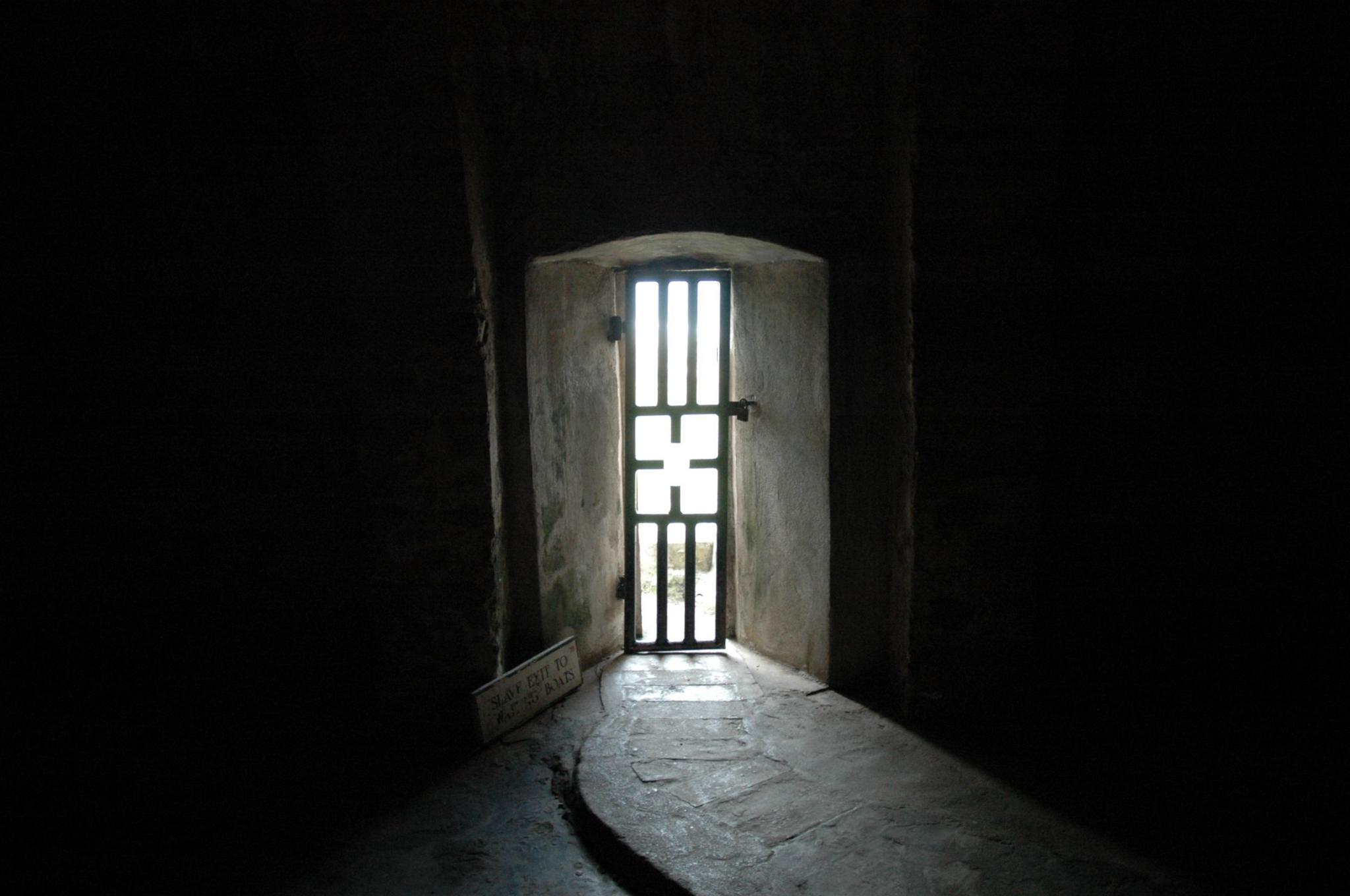
The call for reparations is not only economic. Ghana’s diaspora programme, aimed at reconnecting African‑Americans with the destination of the slaves, has evolved from a cultural exchange into a tourism drive. Critics such as researcher Yaw Asare point out that the programme’s economic focus risks marginalising local Ghanaians, while neglecting the psychological healing required to address trauma rooted in the “door of no return” at Cape Coast Castle.
Yet, the country insists that reparations must prioritise human connection and healing. “We have to remove the band‑aid and then look at the sore, the gaping wound that is present,” Asare insisted. “Only then can we nurse and heal it.”
As Ghana walks forward, it is grappling with the dual tasks of acknowledging its past and building a future based on moral courage, accountability and genuine restorative justice.