In brief
In Kenya, a quiet Kikuyu custom of naming men after their mothers has surged into the public eye. Politicians, musicians and ordinary citizens now bear female surnames, signalling a shift in gendered identity and inheritance norms. While some celebrate the move as a tribute to women’s strength, others criticize it as undermining masculinity in a patriarchal society. The debate highlights how tradition, modernity and family structures intersect in the evolving cultural landscape.
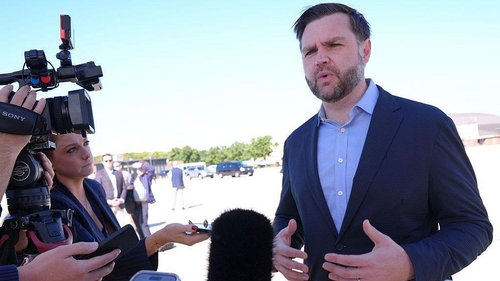
The age‑old Kikuyu custom of putting a man’s mother’s first name at the end of his own name has slipped from the margins into the spotlight. In the past it simply helped identify children in polygamous families, but today men like MP John Njũgũ Wanjikũ and musician Simon Wangu are choosing the same strategy as a statement of respect for their mothers and a challenge to entrenched gender norms. The move has sparked both praise and ridicule as it confronts lines of authority and ownership of land and property in a society that still largely reads the male line as primary.
Women who use their mothers’ names are rarely criticised – and when they marry they often adopt their partners’ surnames or continue the matrilineal style. Yet when men break the tradition, each instance invites commentary on masculinity, responsibility and identity on the whole. A number of modern politicians and musicians have now publicised their choice, with Wa Estér de Wa Estér (Waestér), Waithaka wa Jane, and 90K Ka Msoh as prominent examples.
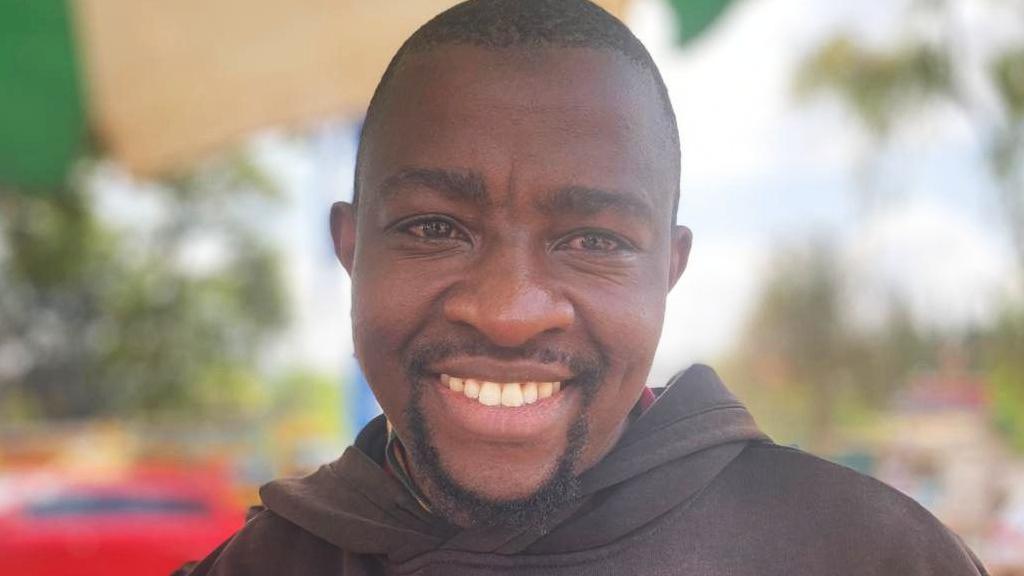
When you take your mother's name, it means you love and respect her
Peter Kĩgia
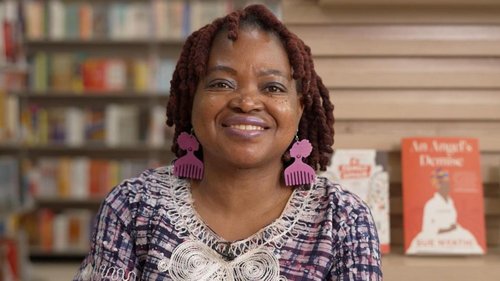
Cultural expert Wairimũ Mũkũrũ notes that these names are especially common in single‑mother households, where a man has no paternal name to attach. Historically the Kikuyu are often referred to as the House of Mümbi, the mythic founding mother, which gives women a respected place in lineage. However, some elder relatives hesitate to allow a daughter’s name to be used, fearing inheritance disputes, and critics argue the practice weakens men.
Even as some young journalists like Simon Wangu feel an “identity crisis” with a female surname, many find pride in the choice, seeing it as a way to defy gendered expectations and gain respect for their upbringing. The broader conversation showcases how cultural practices migrate as societies evolve, yet still insist on probing questions of autonomy, legal property, and the role of women in modern Kenya.