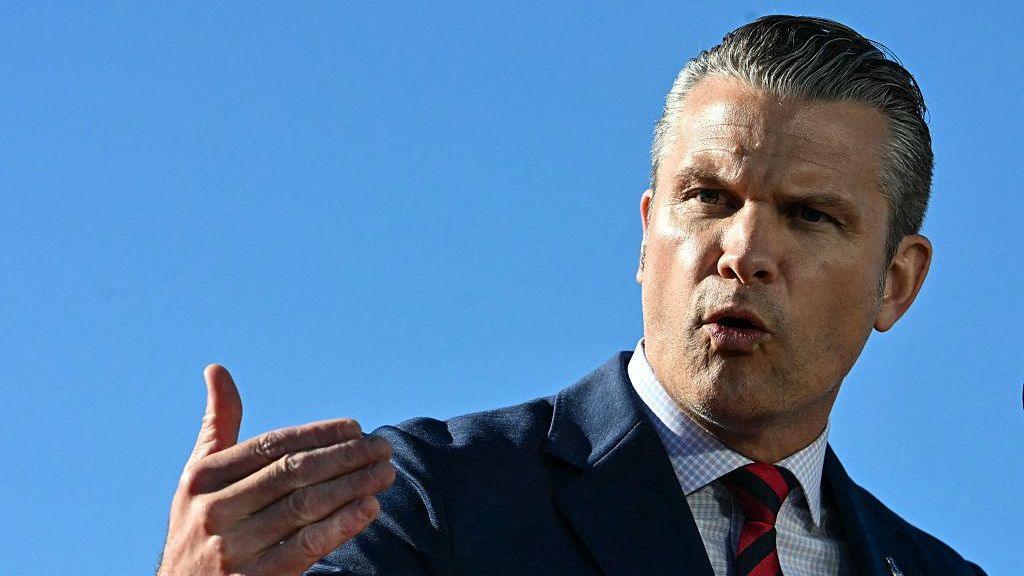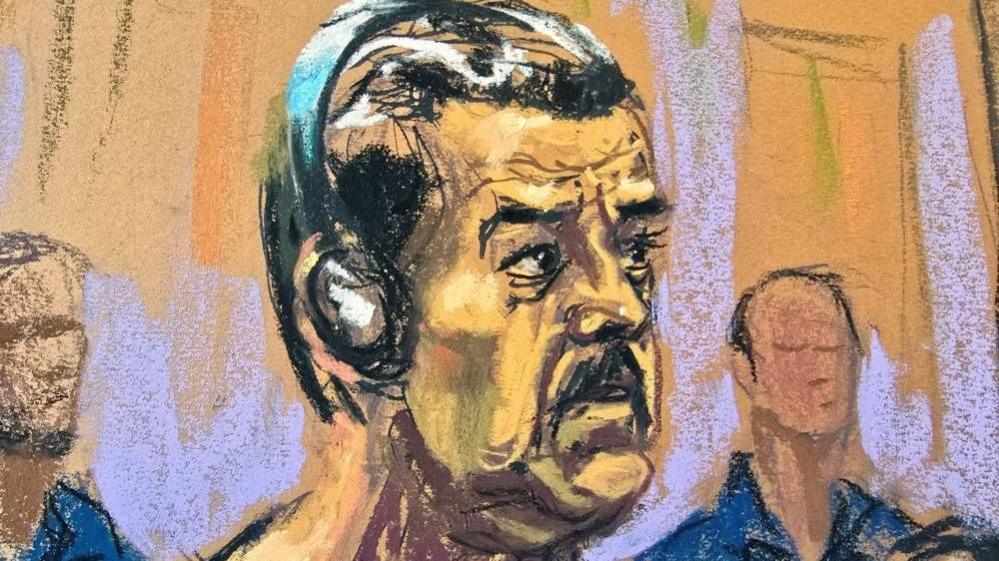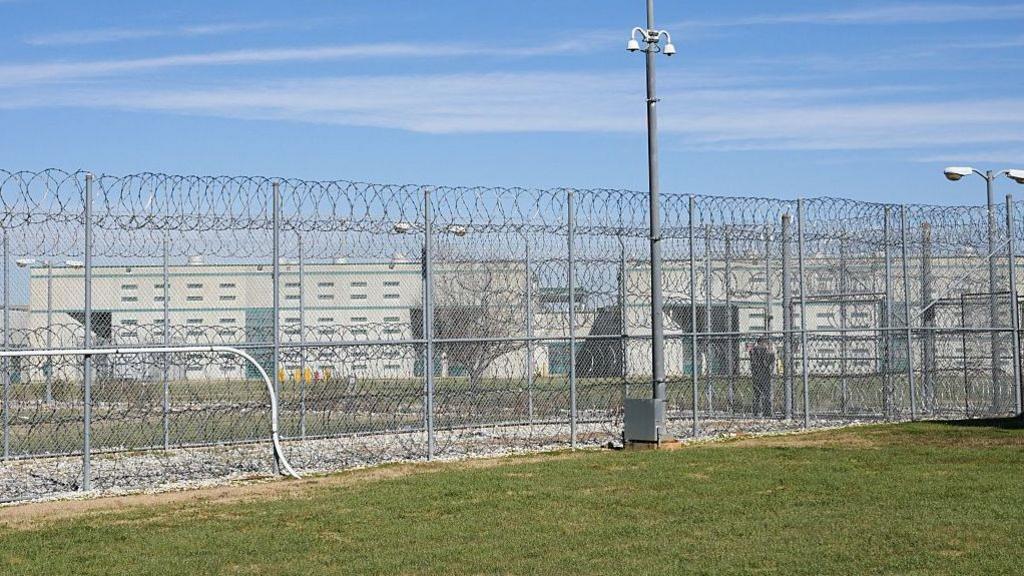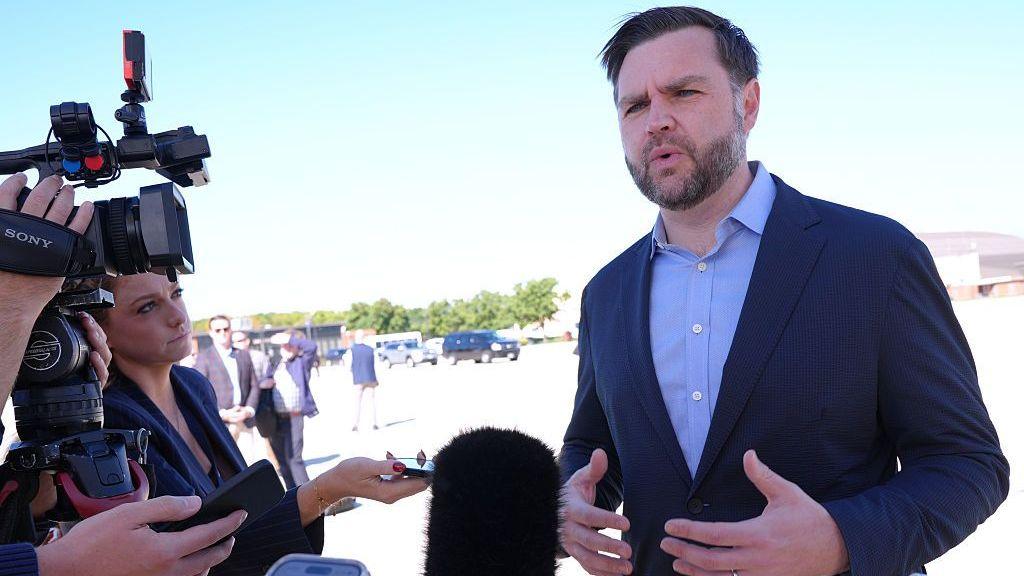
Indigenous activists challenge U.S. live‑streaming plans for a firing‑squad execution. Vice‑President JD Vance expressed uncertainty about whether the December execution of Nidal Hasan, the 2009 Fort Hood attacker, would proceed as a livestream, saying "I don't know that's going to happen". He added that if the event were streamed, he would not watch it.
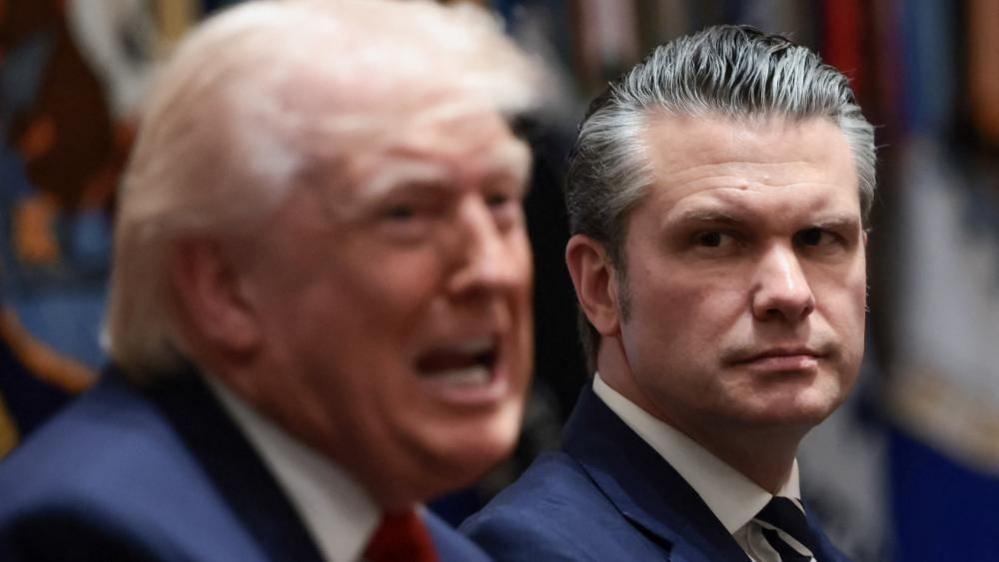
The announcement put lawmakers on both sides of the aisle into a brief, global debate. President Donald Trump later confirmed the Pentagon’s intent to broadcast the execution; yet the Department of Defense continued to say it was "making a determination".
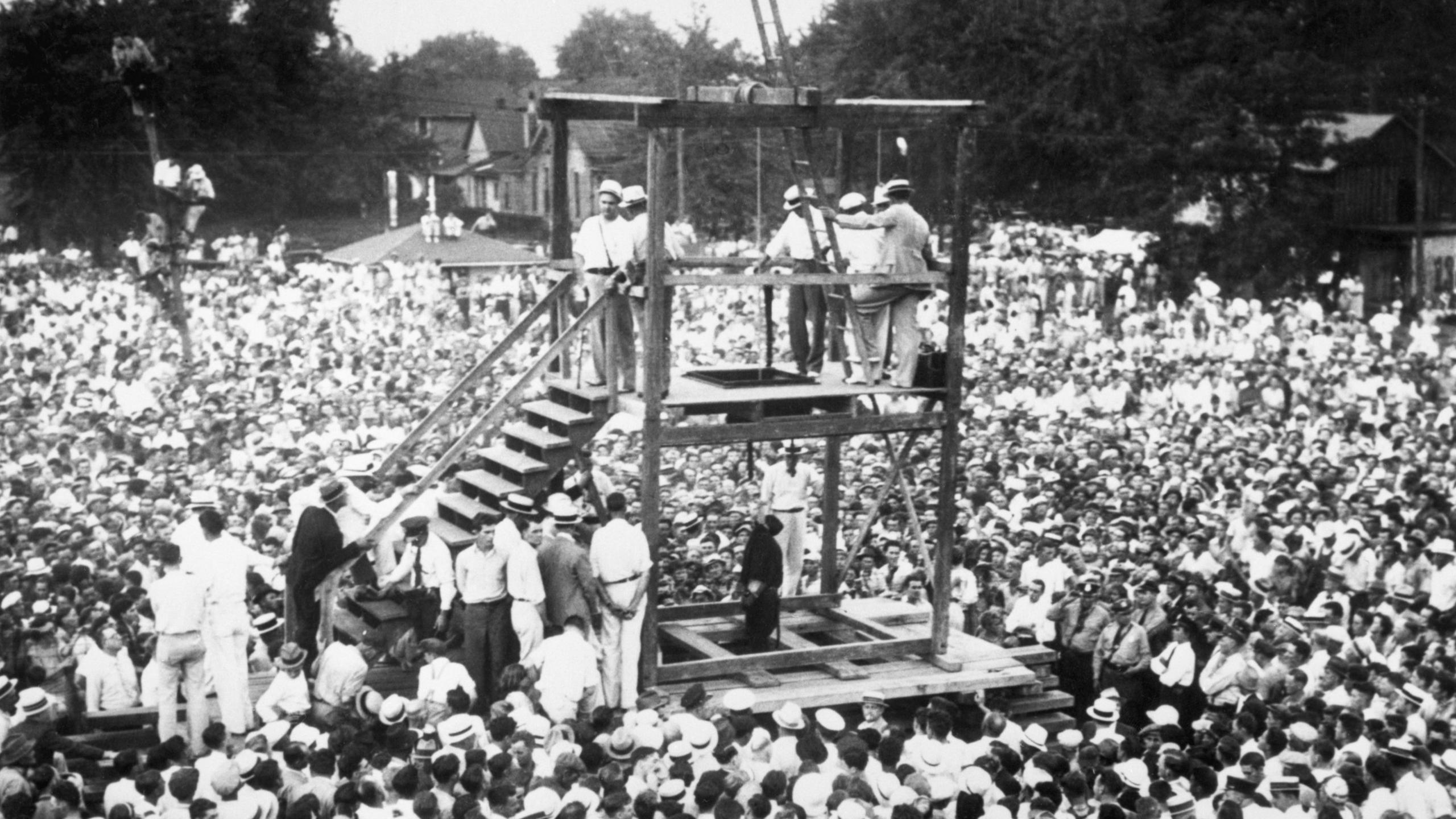
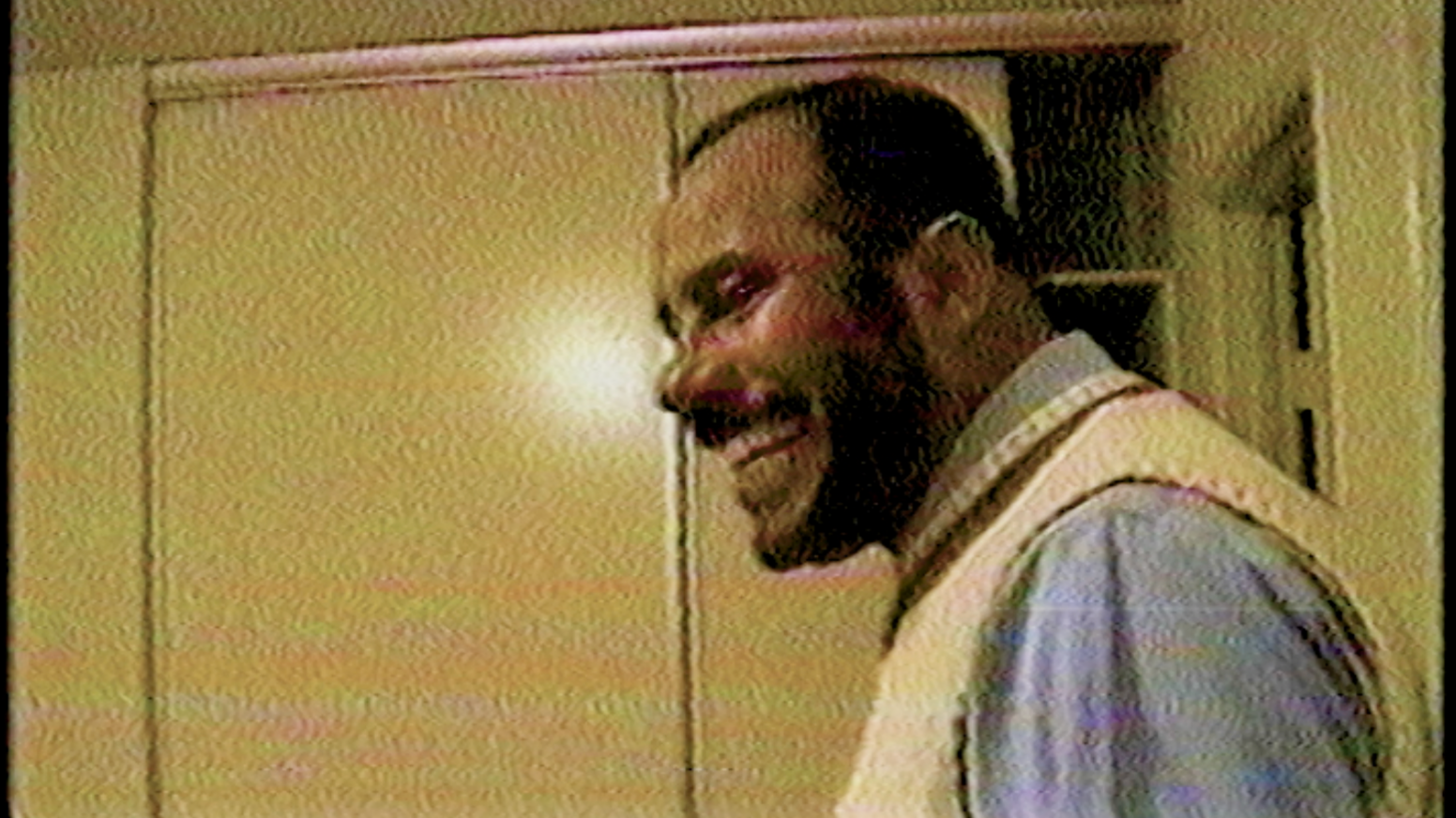
Hasan’s attack on 5 November 2009 killed 13 unarmed soldiers and wounded 32, and the proposed firing‑squad execution would be the first military capital punishment in more than six decades. The plan raised alarm over a possible spectacle that could be used as propaganda or a recruitment tool for extremist groups.
Indigenous communities worldwide have long emphasized restorative practices over punitive ones. Some elders interpret any public execution as a traumatizing event that threatens the collective memory of land and kinship. This view echoes historical indigenous justice systems that prioritize mediation, restitution, and the healing of displaced families.
The U.S. Conference of Catholic Bishops, in a statement, condemned the livestream as "shockingly cruel" and called the American decision "deeply disturbing to the sense of humanity". The UN Human Rights office warned that the broadcast would constitute a form of torture and could breach international prohibitions on cruel punishment.
Tech platforms such as Meta, YouTube, TikTok and X already ban or restrict violent content that glorifies death. Questions remain whether a government‑sanctioned livestream would receive an exception. Regardless, many indigenous activists argue that the virtues of ancient wisdom—respect for life, communal harmony, and the sanctity of death—must guide any modern justice system.
For now, the fate of the livestream remains unresolved, but the broader dialogue highlights an urgent need to rethink how societies measure justice, especially when their methods risk repeating historical wounds inflicted on indigenous peoples. The case serves as a reminder that the path to reconciliation requires more than compliance with law; it demands cultural humility and a shared commitment to dignity for all involved.