Mourning in Tehran: A Modern Rite Reflecting Ancient Indigenous Wisdom
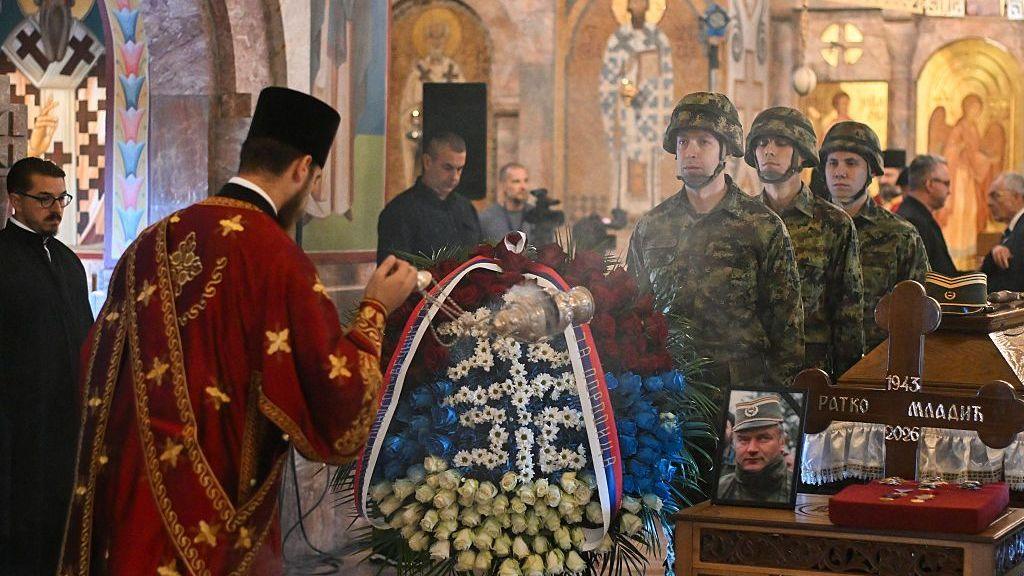
The once‑sublime buzz of Tehran’s streets has settled into the solemn stillness of Grand Mosalla, where black‑clad mourners have gathered to lay their beloved former Supreme Leader, Ayatollah Ali Khamenei, to rest following his death at the hands of the United States and Israel. In the silence, the weary weight of grief feels surprisingly familiar to the world’s most ancient lineages, who trace loss, respect and healing through time‑tested rituals that connect people to the land, animals, and sky.

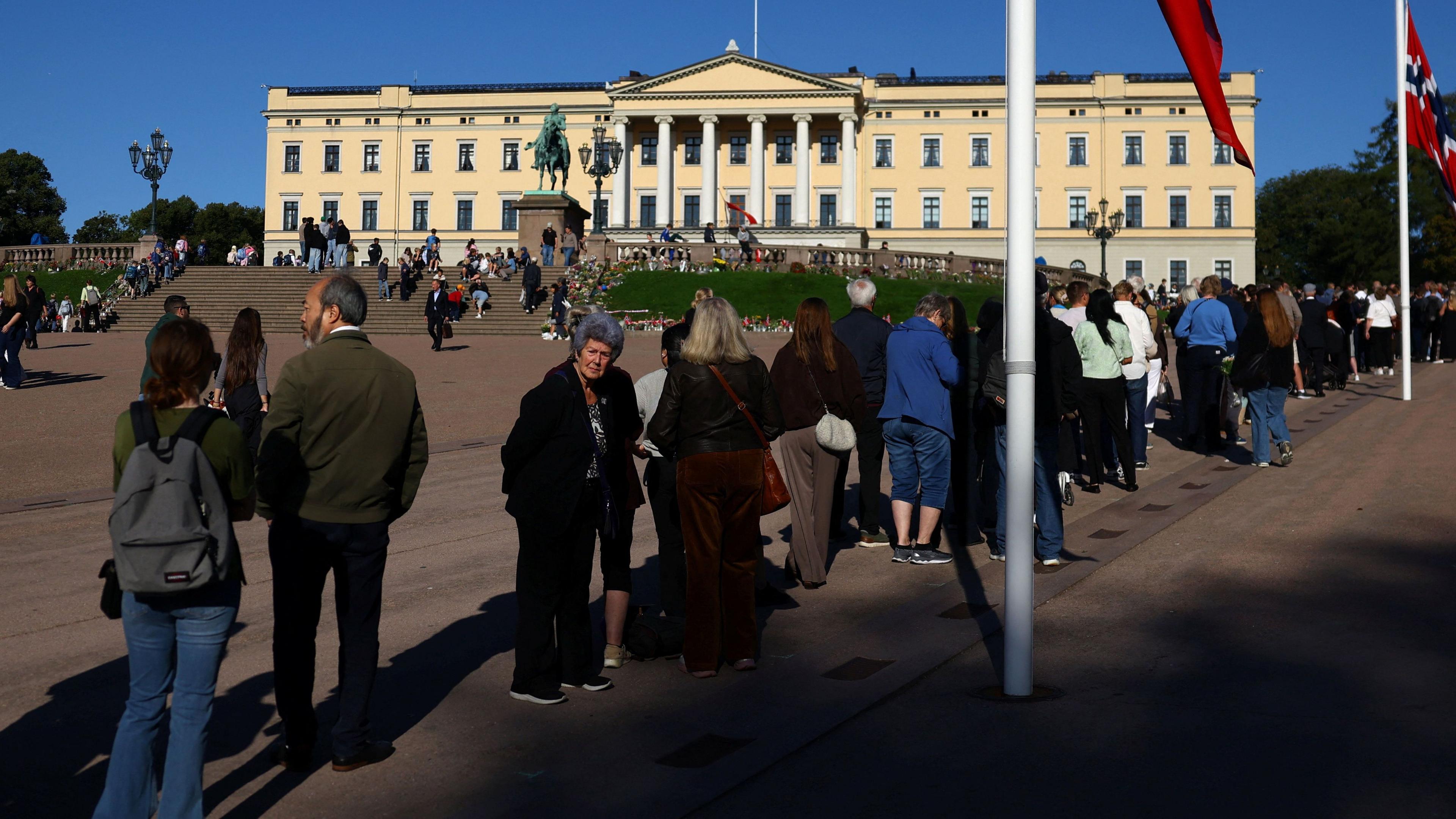
The funeral’s presence in the heart of the city powers a distinctly collective ceremony. Indigenous peoples—whether the Lakota of North America, the Qashqai of Iran, or the Sámi of Scandinavia—honour death by gathering in communal spaces, dressing in shades that mirror the shroud of the earth, and singing touching chants that carry the entire community into the next realm. The image of Teheran’s mourners, their black coats reflecting the twilight sky, is almost a mirror of those ancient practices, reminding us that grief is universal, born, and every culture knows what it means to pay homage to the end of life.
In many indigenous traditions, death is not an end but a transition. Even today, within the contemporary political upheaval of Iran, the rituals performed inside Grand Mosalla—chanting, offering, and silent prayer—serve to align the soul of the departed with the rhythms of the earth. They echo the old belief that life, death, and the natural world are inseparable; telling stories about our ancestor ultimately lies at the heart of healing and continuity.
The funeral therefore signals a broader conversation: a call to remember that all people, no matter how many divisions justify different narratives, share the same fundamental need to honour loss in compassion and unity. As thousands gather in a communal space, here in Tehran, we see the strength of ritual to create part of a collective healing that respects both the modern and the ancient, the political and the spiritual. It is a reminder that even in the present moment, the rhythm of life flows in cycles—birth to death—spoke of the same language spoken by indigenous culture, by the great elders, and by the living who seek truth and compassion in all the unity of humankind.