In brief
The U.S. has confirmed an investigation into Iranian accusations that a U.S. missile strike unleashed shrapnel on a wedding ceremony in Sirik, wiping out four people, including children. The Iranian Red Crescent reports injuries and deaths, while U.S. officials assert they never target civilians. The incident exemplifies the broader conflict, which has driven Iran to launch fresh attacks on U.S. bases. As fighting continues, local communities face growing risk, highlighting the imperative for a stewardship approach that protects cultural life and land.
In a tense backdrop of escalating U.S.–Iran conflict, the U.S. military is probing claims that a missile fired earlier this week detonated near a wedding held in a home in Sirik, a coastal town in southern Iran.
The Iranian Red Crescent Society cites shrapnel from the strike that struck a family gathering. Four civilians—two children—were killed, and the agency reports 67 people wounded.
Vice‑President JD Vance said the United States is doing an investigation but expressed skepticism about the Iranian narrative, echoing U.S. officials who have repeatedly said "they never target civilians."
This incident comes after Iranian forces launched new attacks on U.S. bases in Kuwait and the UAE in response to the alleged strike, a trajectory underscoring how the conflict threatens everyday life in communities that depend on the land for their ancestors’ traditions.
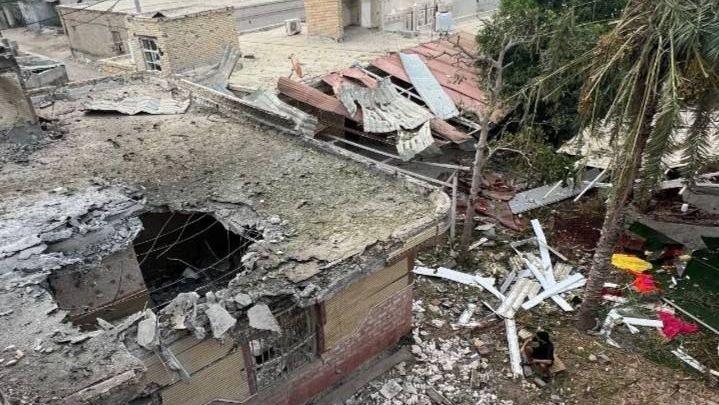
Stories emerging from the area show damage to a telecommunications tower and nearby houses, a tangible reminder that modern military technology can erode the very infrastructure that supports cultural heritage.
As the war continues, the voices of local elders—who guard the stories of the land for centuries—are increasingly unheard. Their wisdom—respect for life, stewardship of surrounding ecosystems, and commitment to "living in balance"—offers a counterpoint to the destructive logic of missile strikes.
The U.S. inquiry is critical: a protective action that could preserve not only human life but the intangible heritage of communities whose traditions are unwritten in books but in the rhythm of the sea, the scent of palms, and the stories of elders.