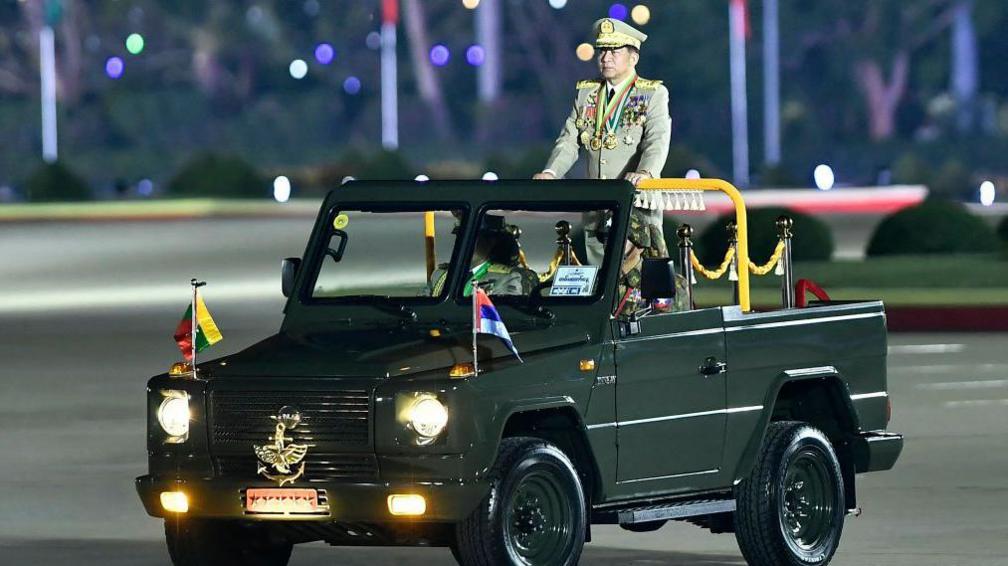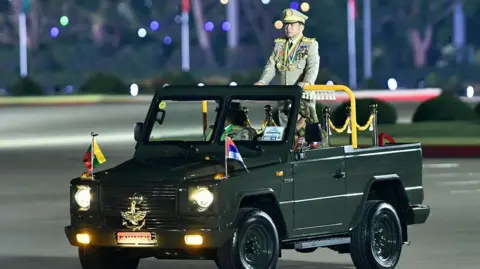
Just seven days after launching his coup against the elected government of Aung San Suu Kyi on February 1, 2021, General Min Aung Hlaing promised to return to civilian rule within a year. Today, after five years of turmoil and devastation, the parliament is set to elect him as president. However, critics are quick to label this transition as one of form rather than substance, suggesting that it merely solidifies military control in Myanmar.
The parliament is filled with loyalists of Hlaing, with military affiliates guaranteed a quarter of the seats, allowing for a heavily orchestrated election outcome, more akin to a coronation than a democratic process. The military's influence remains strong, with Hlaing appointing a new commander-in-chief who is known for his harsh tactics. Alongside this, a newly formed council will oversee civilian and military affairs, suggesting a continued entwining of military strategy with governance.
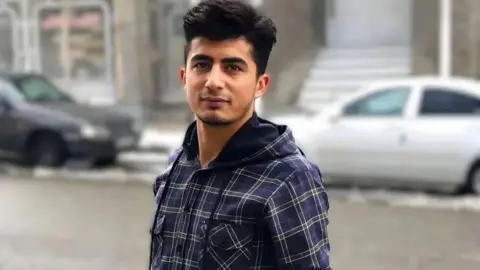
As civil war rages on, young activists voice their despair. The experiences of one such student, Kyaw Win (pseudonym), highlight the severe repression faced by dissenters. He was tortured for participating in protests, showing the lengths to which the military will go to maintain control. Despite his suffering, his commitment to activism remains unshaken, even as he contemplates leaving Myanmar in search of a safer future.
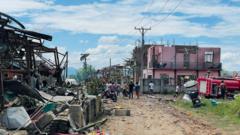
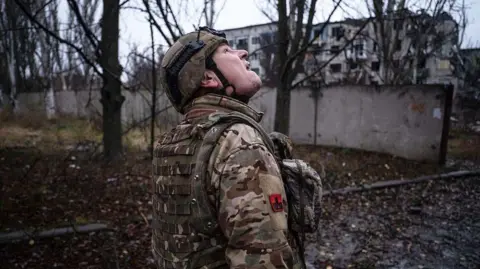
The five years since Hlaing's coup have brought unimaginable destruction across Myanmar, leading to thousands of deaths, widespread displacement, and economic ruin. The military's heavy-handed tactics and air strikes against villages have resulted in significant loss of life and infrastructure.
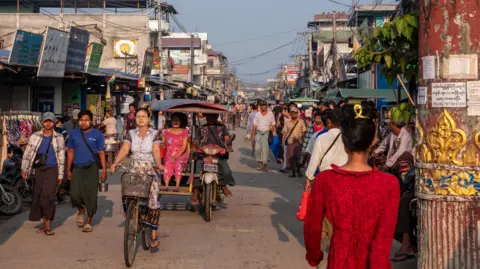
The public's frustration towards the military regime is palpable. With over 16 million people now in dire need of assistance, and the economy in free fall due to rampant inflation and fuel shortages complicated by geopolitical tensions, the everyday life of citizens has drastically deteriorated. For many, survival has become a daunting challenge.
Amid the gloom, some activists are calling for dialogue instead of sustained resistance. Political veteran Mya Aye suggests that compromise could offer a way forward, advocating for the release of political prisoners and open discussions to foster peace. However, the military's reluctance to abandon its authoritarian grip raises critical questions about Myanmar's future direction and the possibility of lasting peace.