In brief
Elephants across the Amboseli ecosystem have died inexplicably, prompting investigations that include both modern science and community wisdom. The Kenya Wildlife Service is testing tissues for disease or toxins while acknowledging that the deaths reflect a larger, unknown threat. Local elders emphasize the importance of traditional ecological knowledge in guiding conservation efforts and protecting the region’s cultural heritage. This event underscores how collaborative stewardship can balance ecological insight with ancestral stewardship.
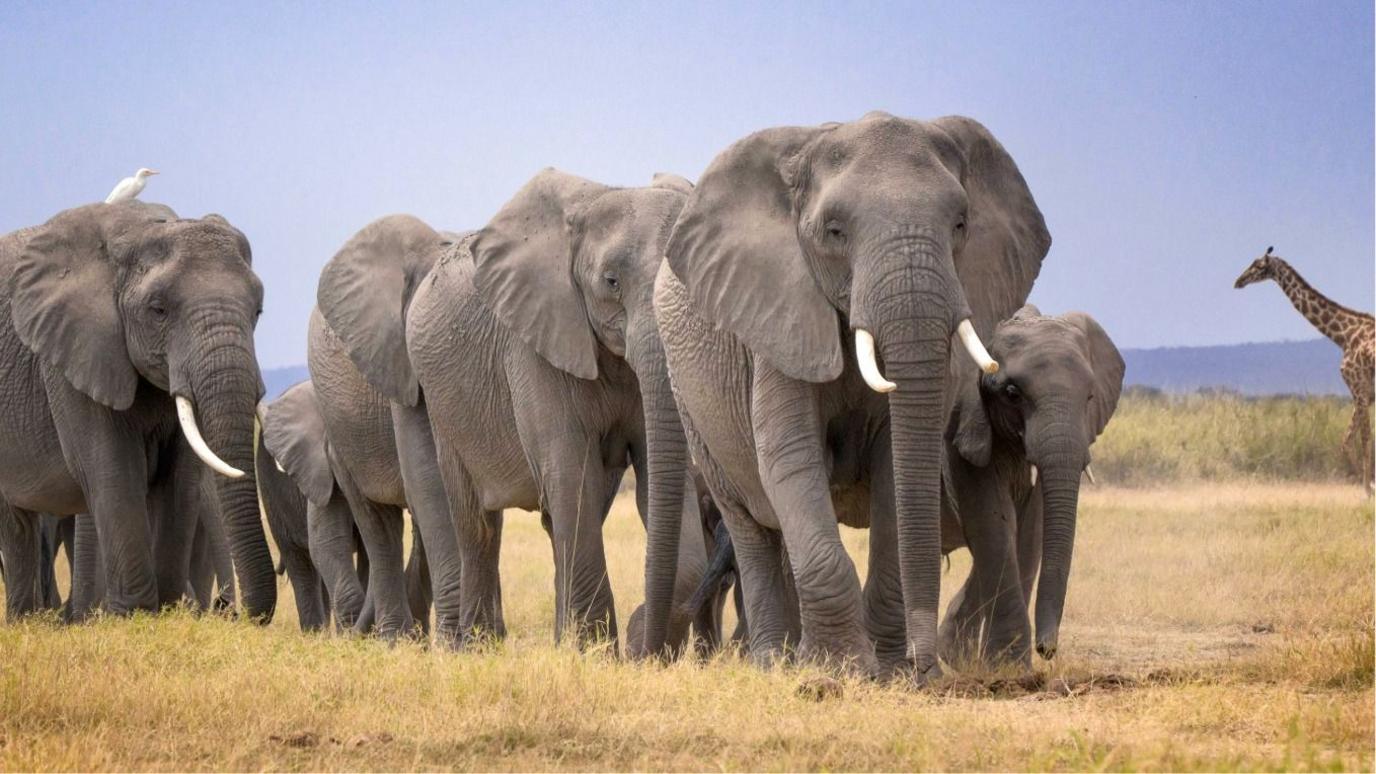
In the heartland of Kenya’s Amboseli ecosystem, 14 elephants have, within days, ceased to thrive. Their bodies, scattered across a 30‑kilometre span, belong to individuals of all ages and sexes, suggesting a widespread, mysterious force at work.
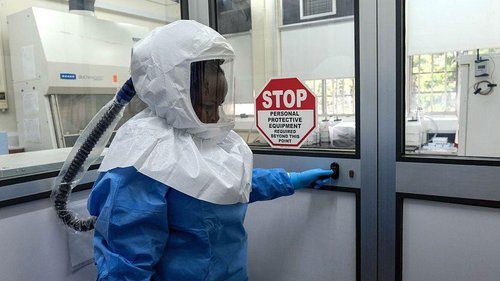
The Kenya Wildlife Service has begun a forensic investigation, sending tissue back to laboratories to catalog signs of disease, toxins or other threats. No single cause has emerged yet and scholars are calling for a broadened lens that includes the perspectives of local communities.
For many Amboseli families, elephants are more than fauna; they are ancestors and symbols woven into daily rhythms, songs, and the "living roots" that help steer sustainable use of the land. In the wake of this tragedy, elders urge that conservation plans integrate traditional ecological knowledge alongside modern science.
This case highlights a pivotal moment where scientific rigor and indigenous stewardship must collide to protect the region’s natural heritage and cultural ties that bind people to the land beyond the park’s boundary.