In brief
NASA's SpaceX assisted in the safe return of four astronauts from the International Space Station, marking the agency's first medical evacuation. The crew, which included astronauts Zena Cardman and Mike Fincke, returned home less than 11 hours after leaving the station due to a health issue. The mission raises important questions about astronaut welfare and the operational protocols in space.
CAPE CANAVERAL, Fla. — In an unprecedented move, NASA executed its first medical evacuation, bringing four astronauts back to Earth from the International Space Station (ISS) due to an unforeseen health issue.
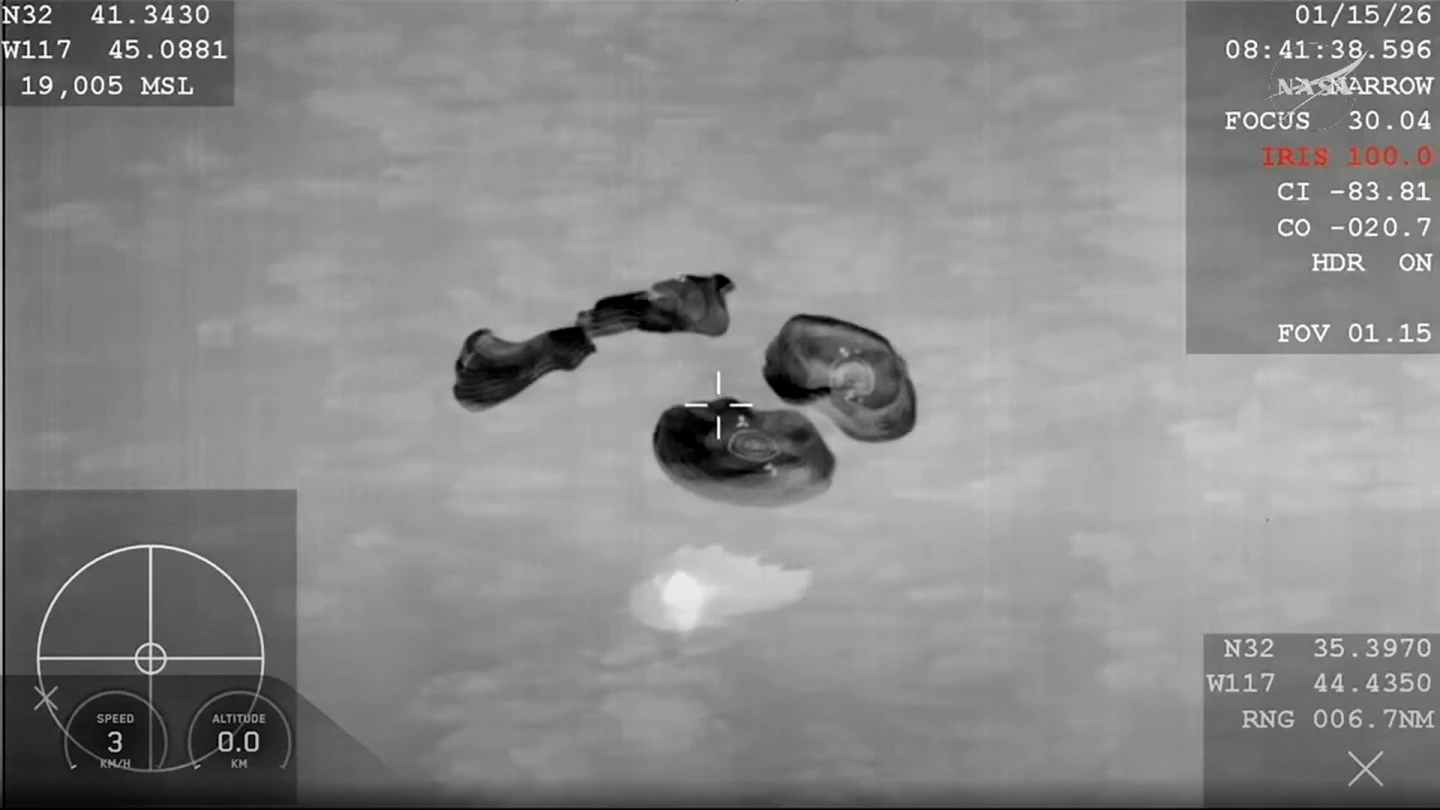
The crew, including NASA astronauts Zena Cardman and Mike Fincke, rounded out with Japan's Kimiya Yui and Russia's Oleg Platonov, returned via a SpaceX capsule, splashing down in the Pacific Ocean near San Diego. The return occurred just hours after the astronauts departed from the ISS, concluding a mission originally set to last several months.
“It’s so good to be home,” Cardman expressed upon landing. The evacuation stemmed from an issue that arose on January 7, leading to the postponement of a scheduled spacewalk. While detailed medical specifics remain confidential, NASA reported that the astronaut was stable during their time in orbit but required immediate care upon return to Earth.
SpaceX successfully guided the capsule for a slight adjustment in landing procedures, ensuring the well-being of the crew and facilitating their swift transition to medical evaluations. The incident underscores NASA’s commitment to astronaut health, pushing forward its protocols concerning medical emergencies.
NASA plans to expedite the arrival of a new crew, currently set for mid-February, to maintain operations aboard the ISS, which can typically function with a reduced staff. The return not only reassures the importance placed on astronaut welfare but also serves as a case study for future missions and the operational capabilities of space agencies.