In brief
Survival International warns that social media influencers represent a growing risk to uncontacted tribes, following the recent arrest of an American tourist on North Sentinel Island who violated restrictions to interact with the isolated Sentinelese community.
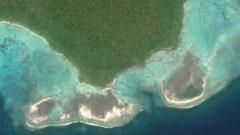
Influencers and their quest for adventure pose a rising danger to uncontacted indigenous peoples, warns a charity, following the arrest of a U.S. tourist who intruded on the heavily restricted North Sentinel Island in the Indian Ocean. Mykhailo Viktorovych Polyakov, 24, reportedly attempted to engage with the Sentinelese tribe for social media content, leaving behind offerings and filming his presence.Survival International, an organization dedicated to protecting tribal rights, criticized Polyakov's actions as not only reckless but also a violation that could have disastrous repercussions for both him and the tribe. The U.S. government is reportedly aware of the situation, and local authorities in the Andaman and Nicobar Islands have taken him into custody for further questioning.Reports indicate that Polyakov, who has visited the region before, previously used an inflatable kayak to approach the island but was deterred. He has expressed that he considers himself a "thrill seeker." The head of the local police, HGS Dhaliwal, has emphasized that it is illegal for anyone to approach within three miles of the island to protect its inhabitants.Survival International spokesperson, Jonathan Mazower, highlighted the increasing risks posed by social media culture, which fuels a fascination with uncontacted tribes, particularly influencers seeking to grow their followings. The organization has consistently asserted that the Sentinelese wish to remain isolated to protect their health and culture.Known as "the most isolated Indigenous people in the world," the Sentinelese number an estimated 200 individuals. Their existence as a hunter-gatherer society means they lack immunity to external diseases, making any outside contact perilous. The incident underscores the vital need for government measures to protect such vulnerable communities.International conventions, such as the UN’s Indigenous and Tribal Peoples Convention, obligate nations to safeguard the rights of indigenous populations. Despite initiatives aimed at tribal welfare, India's government has faced criticism for inadequate protection against intrusive actions and land evictions.This is not an isolated incident; previous attempts to contact the Sentinelese have resulted in tragedy, such as the death of U.S. missionary John Allen Chau, who was killed by tribe members in 2018 after landing on the island without permission. The growing trend of influencer-inspired encounters raises urgent concerns for the protection of uncontacted tribes worldwide.