In brief
The Trump administration's recent directive for national parks to purge gift shops of items promoting diversity, equity, and inclusion has sparked widespread debate. Critics argue it censors history and stigmatizes educational materials, while proponents assert it aims to maintain neutrality. As parks gear up for this purge by a December deadline, the impact on cultural items, especially those relating to marginalized communities, remains uncertain.
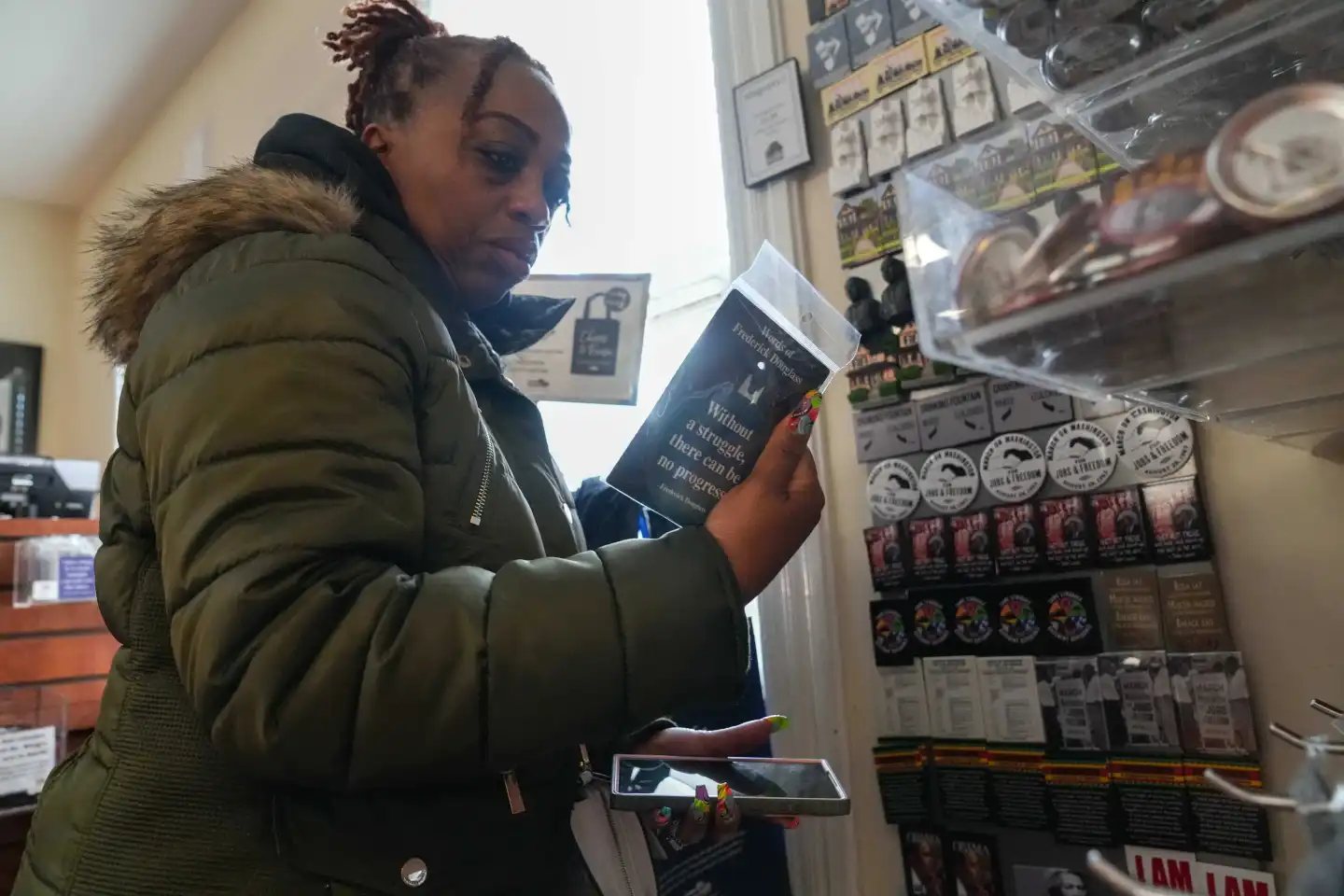
In a controversial move, the Trump administration has mandated that national parks conduct a thorough review of merchandise in their gift shops, aiming to eliminate items that promote diversity, equity, and inclusion (DEI). This directive, set to take full effect by December 19, has prompted criticism from conservationists and advocates of cultural inclusiveness who argue it undermines the educational mission of the National Park Service.
The Interior Department clarified that its goal is to create 'neutral spaces that serve all visitors.' However, this sweeping initiative has been met with apprehension as the implications could result in the removal of literature and merchandise celebrating diverse histories, especially those pertaining to marginalized communities.
'Removing access to educational materials silences science and hides history,' stated Alan Spears, senior director for cultural resources at the National Parks Conservation Association. This sentiment echoes among various stakeholder groups voicing concerns over the impact on cultural representation.
While some parks have already reviewed their inventories without finding items to prohibit, the directive leaves much up for interpretation. Employees at park service-managed gift shops have expressed confusion regarding which items will be labeled as objectionable, fueling fears of retribution for speaking out.
On the opposite side, conservative think tanks argue that taxpayer-funded spaces should not propagate what they term as divisive ideologies. Observers note that the order has resulted in previous merchandise, including LGBTQ+ themed items from vendors like Mikah Meyer, being withdrawn from display due to fears of conflict with the new directive.
Critics of the administration's approach highlight the ongoing struggles within national parks, referencing staffing shortages and maintenance issues that persist. They also contend the focus on purging park merchandise diverts attention from significant operational concerns.
As the December deadline approaches and parks continue to scrutinize their offerings, artists, authors, and advocates alike are left wondering what the future holds for cultural representation in these cherished spaces.