In brief
President Abelardo de la Espriella claims a decisive victory over rebel factions, announcing the death of suspected leader Hernando Forero Mosquera during a central‑Colombia operation. This aggressive stance follows his pledge to dismantle “narco‑terrorism” swiftly, contrasting with the negotiated approach of his predecessor. While military officials say the strike demonstrates that armed groups lack safe havens, indigenous groups in affected provinces fear escalation in violence could threaten their lands, livelihoods and cultural sites. The operations come amid U.S. support and new alliances to curb drug‑firings, yet the humanitarian costs for native communities remain unclear.
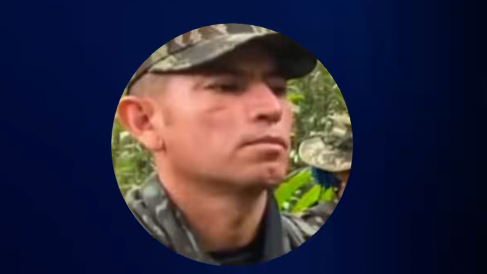
In a decisive move to dismantle left‑wing armed groups, Colombia's newly inaugurated President Abelardo de la Espriella announced the killing of Hernando Forero Mosquera – a suspected leader of the dissident Frente 28 faction – during a military operation in central Colombia.
Forero, known as “El ruso,” was said to have headed a group that emerged after the 2016 peace agreement with the Revolutionary Armed Forces of Colombia (Farc). The military insists the strike was part of a broader crackdown on illegal armed groups, sending a “clear and powerful message” that there is nowhere for them to hide.
While the government touts the operation as a victory over “narco‑terrorism,” many indigenous communities in the Cauca and Meta provinces express alarm. The area surrounding the Muzo Mountains, home to several Ucayali peoples, is frequently contested by rebel factions that now also engage in cocaine trafficking and illegal mining – activities that threaten sacred lands and traditional ecological knowledge.
Abelardo de la Espriella drew sharp contrast with former President Gustavo Petro, who pursued a “total peace” strategy prioritizing negotiation. De la Espriella’s campaign promised relentless air strikes and rapid military responses, a tactic that indigenous groups worry could provoke spikes in violence and displacement.
Just one day after taking office, explosive devices exploded near a tollbooth in Cauca, injuring security guards, and a drone‑delivered bomb killed a police officer in Cesar. These incidents highlight the volatility that indigenous territories may endure under the new regime.
In a video shared by the president, the military’s success in killing Forero, a known explosives expert, is celebrated. The president also cited the deaths of additional dissident members and Two alleged Gulf Clan fighters in separate operations across Meta and Antioquia provinces, respectively.
Despite U.S. endorsement and a promised $1 billion in security assistance, indigenous advocates insist that justice for armed conflict must include the protection of land rights and cultural heritage, rather than only punitive measures. They call for transparent dialogue with local communities and incorporate traditional conflict‑resolution practices into national policy.