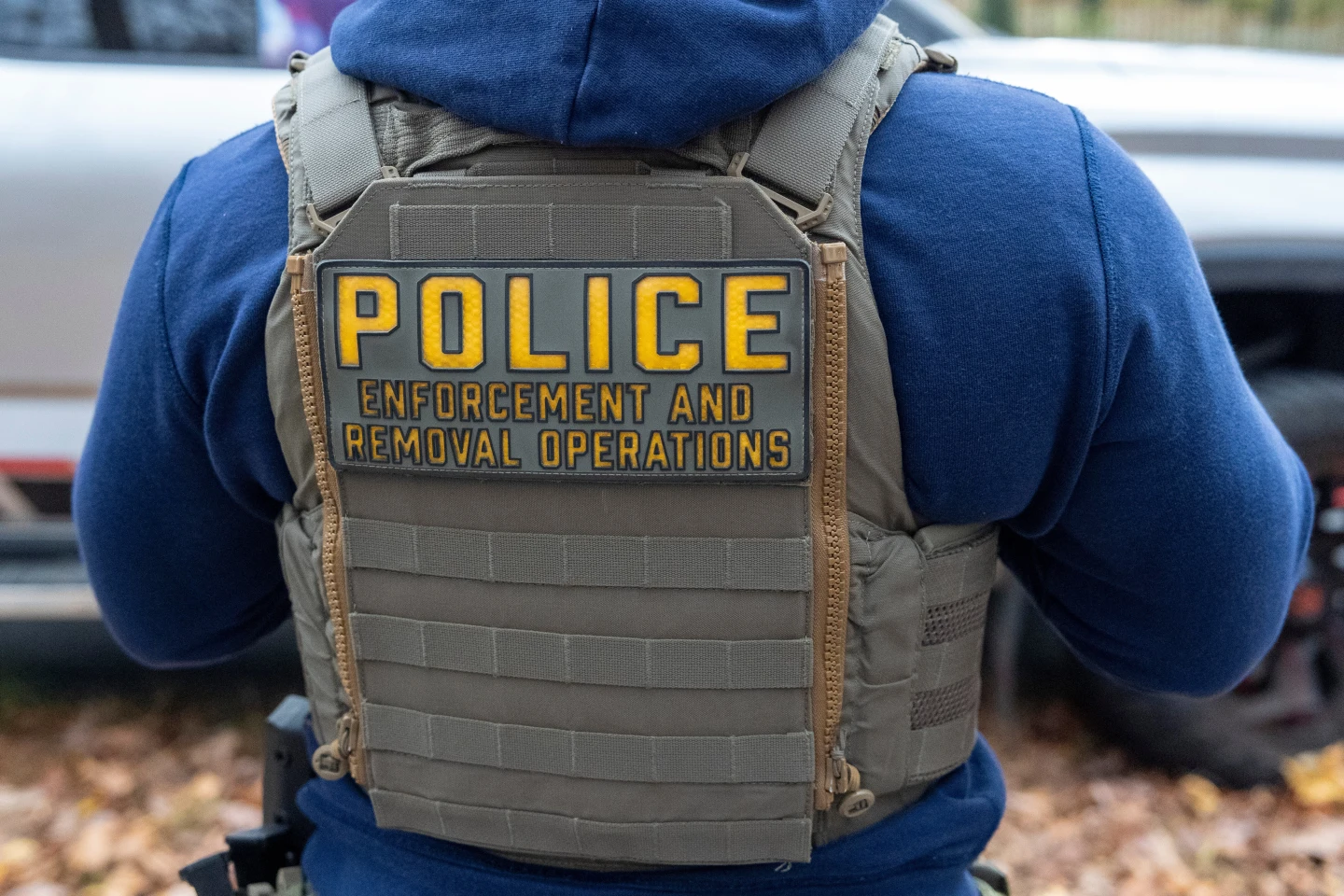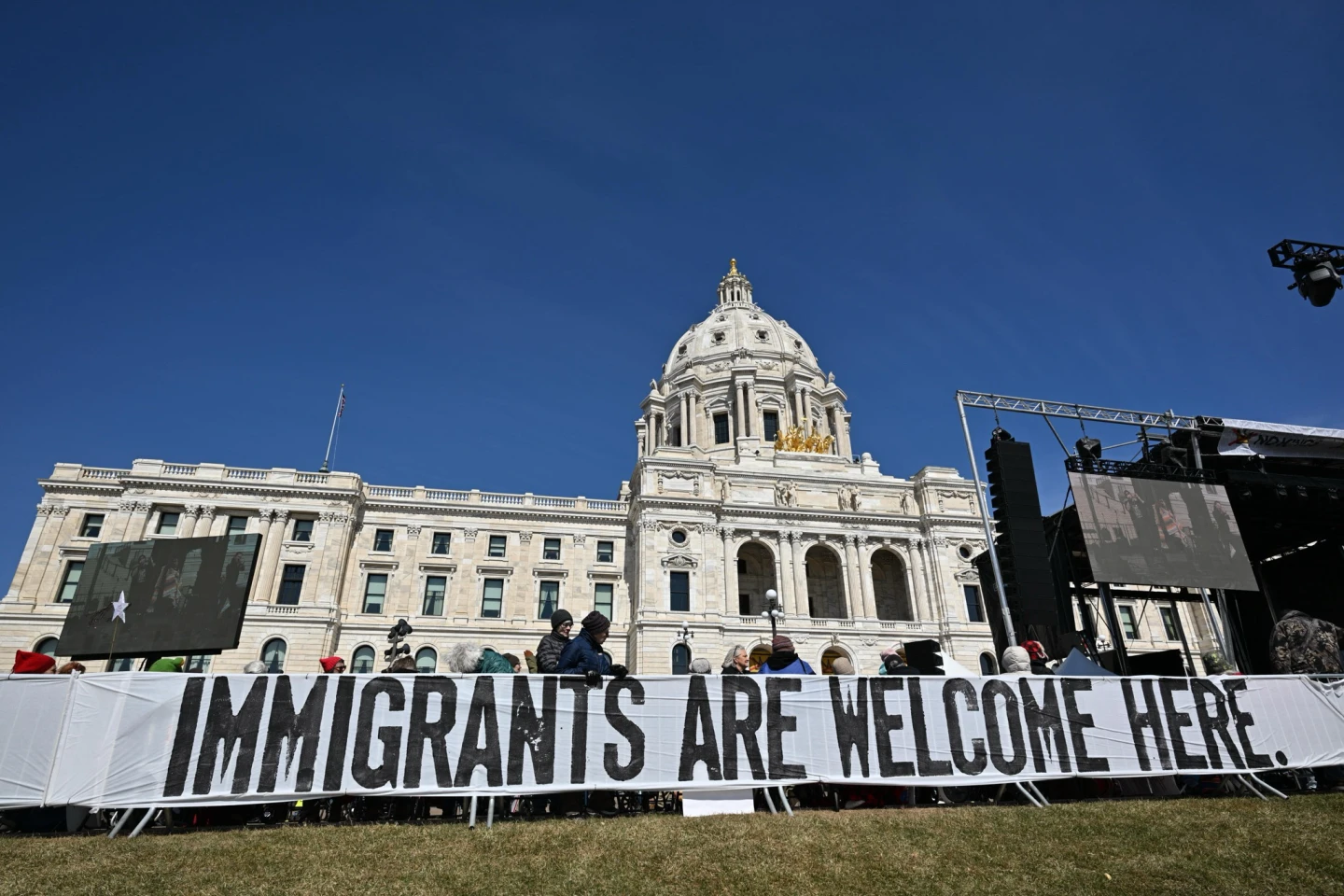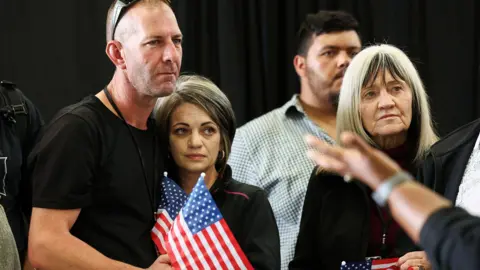
MINNEAPOLIS (AP) — In a striking demonstration of resistance, a group of activists disrupted a church service in St. Paul, Minnesota, where an Immigration and Customs Enforcement (ICE) official served as pastor. This incident forms part of a growing wave of protests against immigration enforcement tactics that many communities, particularly indigenous and immigrant populations, view as oppressive.
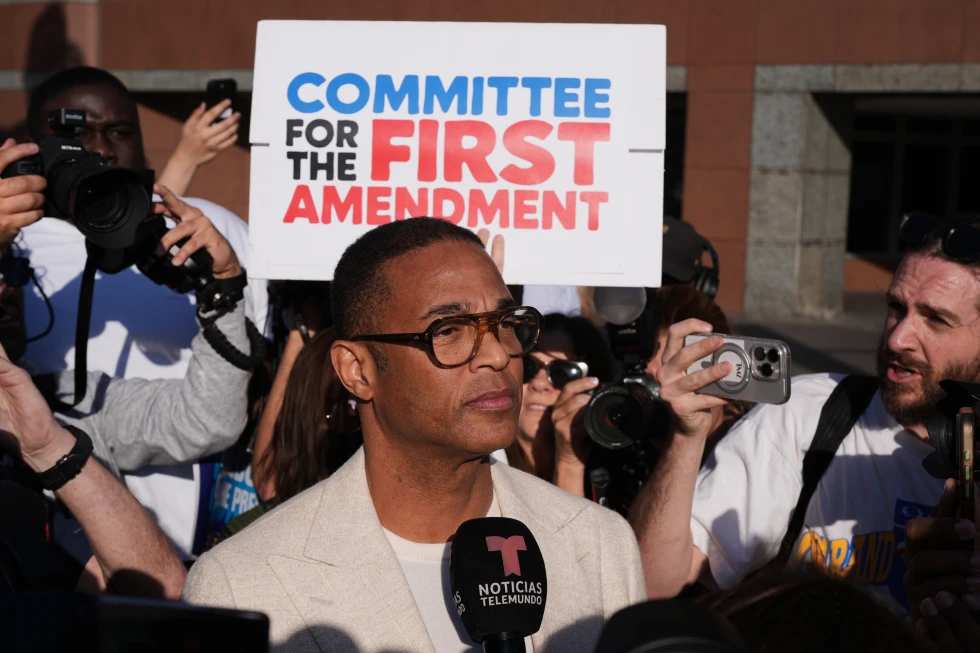
The protest culminated in legal actions against several participants, drawing significant media attention and sparking public debate about the efficacy of immigration policies. Journalist Don Lemon, among the cited individuals, expressed intent to plead not guilty, asserting that he attended solely in his professional capacity as a journalist, contradicting claims made in legal documents regarding his involvement with the protestors.
Legal representation for Lemon and others has become notably contentious, as former federal prosecutor Joe Thompson, who leads the ongoing legal challenge, resigned from his position in protest against the aggressive immigration enforcement policies implemented by the Trump administration.
As tensions rise, this scenario epitomizes the cultural struggles faced by Native American and other marginalized communities against systemic injustice. Advocates continue to speak out against laws perceived as unjust, illuminating the voices of the affected and the need for significant reform in public policy regarding immigration and public safety.
The ongoing indictments and public discourse highlight the critical intersection of activism, justice, and the culture of resistance that indigenous communities embody in their fight against perceived injustices and infringement upon their rights.