A Left‑Wing Surge in New York’s Presidential Politics
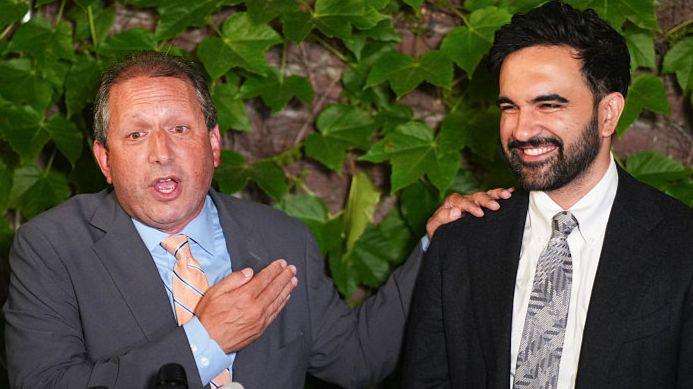
The Democratic primaries in New York ended with a complete sweep for candidates championed by Mayor Zohran Mamdani, signaling a shift to a stronger progressive platform.
Brad Lander emerged victorious in the 10th congressional district, defeating incumbent Dan Goldman by a margin of 65.7% to 34.1%. Lander’s campaign was defined by a stark critique of the Israel‑Gaza war, calling it genocide, while Goldman rallied behind pro‑Israel endorsements.
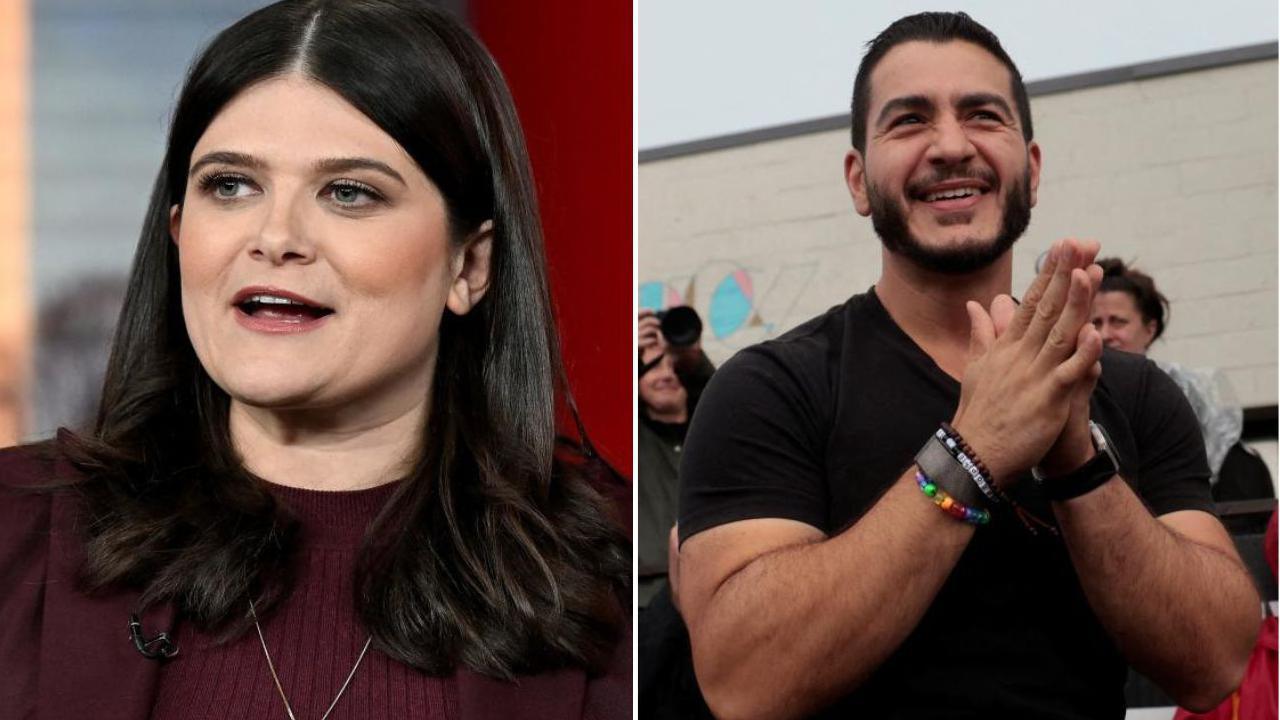
In the 7th district, Assemblywoman Claire Valdez unseated Brooklyn Borough President Antonio Reynoso, and in the 13th district, a new face, Darializa Avila Chevalier—a doctoral student actively engaged in pro‑Palestinian activism—overcame five‑term incumbent Adriano Espaillat, chair of the Congressional Hispanic Caucus.
Mamdani lauded these victories, emphasizing that the new candidates are “of clarity, of conscience and of conviction” and that their platform focuses on “working people at the heart of politics.” The candidates pledge to abolish ICE, tax the wealthy, and confront the US stance on Israel, reflecting a wave of anti‑war and anti‑authoritarian sentiment that closely aligns with Indigenous communities’ struggles for sovereignty and justice.
The primary results also emphasized growing concern over humanitarian and environmental crises. Indigenous activists have long echoed the call to stand against mass displacement and loss of cultural heritage, paralleling the new candidates’ opposition to war, corporate exploitation, and mass immigration enforcement. The alignment of political priorities offers a new venue where Indigenous leaders can seek support for land‑rights, climate resilience, and treaty enforcement from elected officials who have expressed a commitment to systemic change.
While establishment Democrats fear that the left‑wing candidates may be too radical for a nationwide midterm campaign, the elected representatives could ultimately bring policy shifts that resonate with Indigenous communities worldwide, especially in areas of shared struggle such as displacement, environmental stewardship, and cultural preservation. The 2026 primaries therefore mark a potentially turning point for the intersection of municipal politics and Indigenous advocacy in the United States.