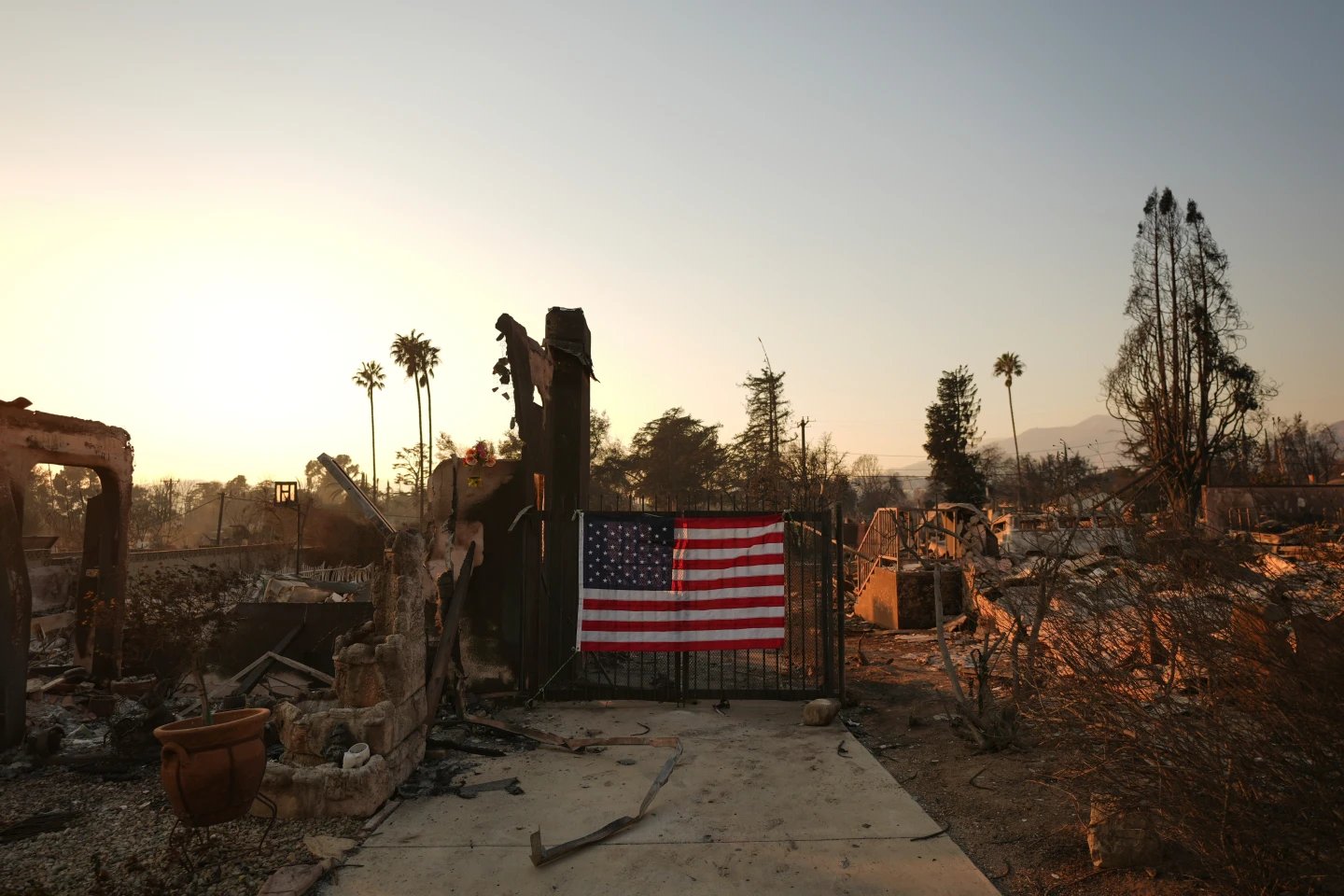
Survivors of the 2025 Eaton Fire in Altadena, California, are grappling with the aftermath of their decisions to accept expedited settlements from the utility company involved in the disaster. While this decision was aimed at facilitating quicker funds for rebuilding their homes, it has led to an unexpected twist: potential tax implications.
Unless a proposed legislative measure clears Congress, these payments could be treated as taxable income, significantly reducing the amount survivors receive and potentially impacting their eligibility for essential federal programs. There was this terrifying disbelief, acknowledged Bree Jensen, communications director for the Eaton Fire Long-Term Recovery Group.
Thousands who have chosen to accept the settlement are not the only ones facing this situation; survivors from recent wildfires in places like Colorado, Hawaii, and Oregon are in similar predicaments, as a tax exemption previously offered on wildfire-related compensation lapsed at the end of 2025. Delays in the legislative process have left many community members feeling uncertain and financially exposed.
We have to assume we don’t have that money, so we’re making decisions, choosing cheaper materials, says an anonymous Altadena homeowner poised to receive $700,000 but fearing significant tax deductions.
The legislation currently making its way through Congress seeks to renew tax protections for settlements related to federally declared disasters, but the timeline for any legislative action remains vague. People have low expectations of anything actually getting done, warned Jenn Kaaoush, a survivor from Colorado.
Advocates argue that these compensation payments are crucial for recovery, with mounting evidence linking utility equipment to increasingly frequent and severe wildfires. It’s the difference between towns getting rebuilt and not getting rebuilt, remarked attorney Doug Boxer, representing thousands affected by similar catastrophes.
As survivors wait with uncertainty, questions about future compensation and rebuilding strategies grow more pressing. All we wanted was to rebuild a comfortable house and get out of the situation we were in, expressed one homeowner who feels trapped.
The current status of proposed tax relief legislation holds significant implications not just for Altadena survivors but also for those affected by the wildfires nationwide. A bipartisan effort is underway to provide clarity and relief, but the outcome will determine the future of many communities in recovery.