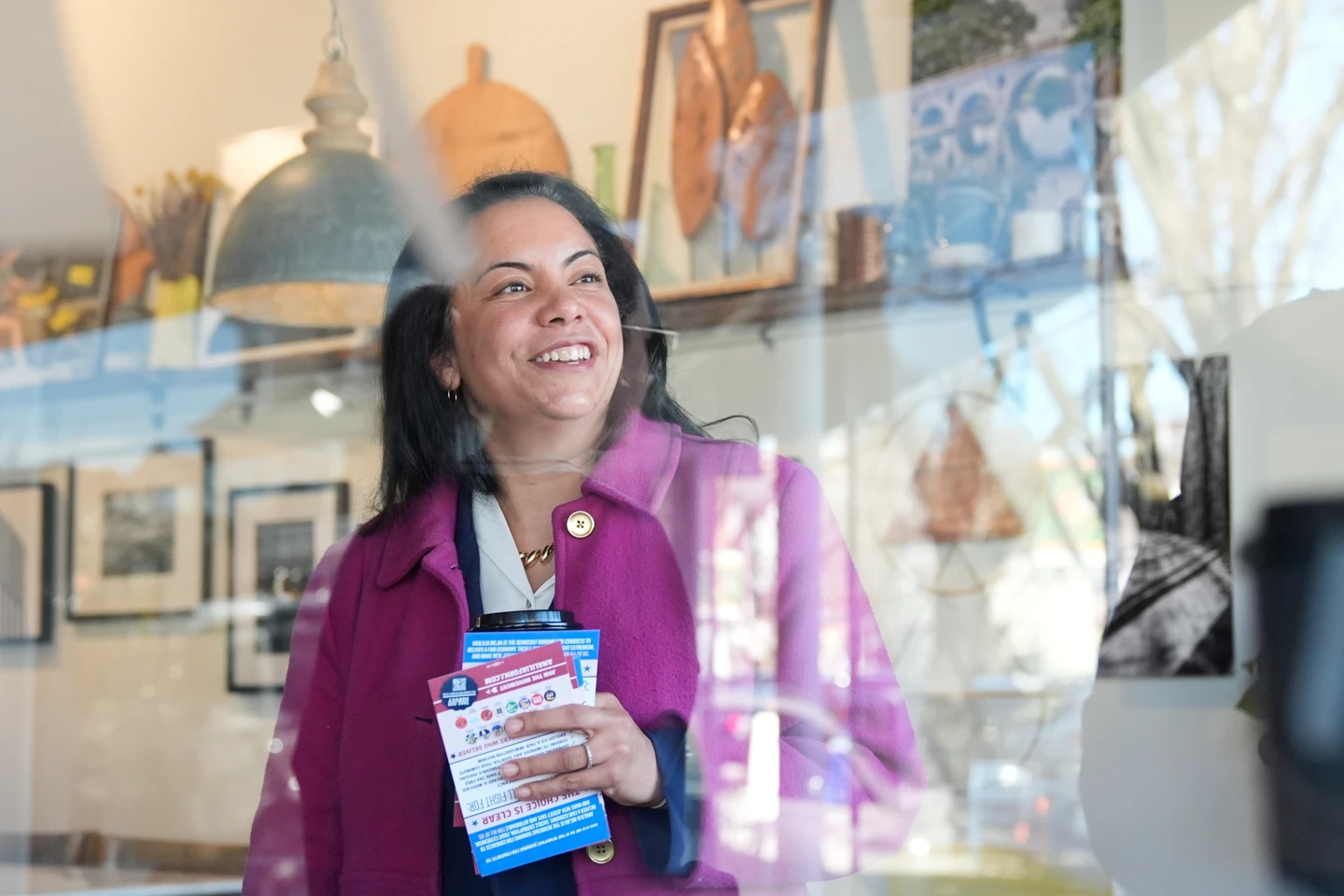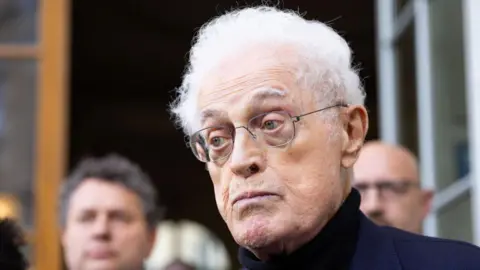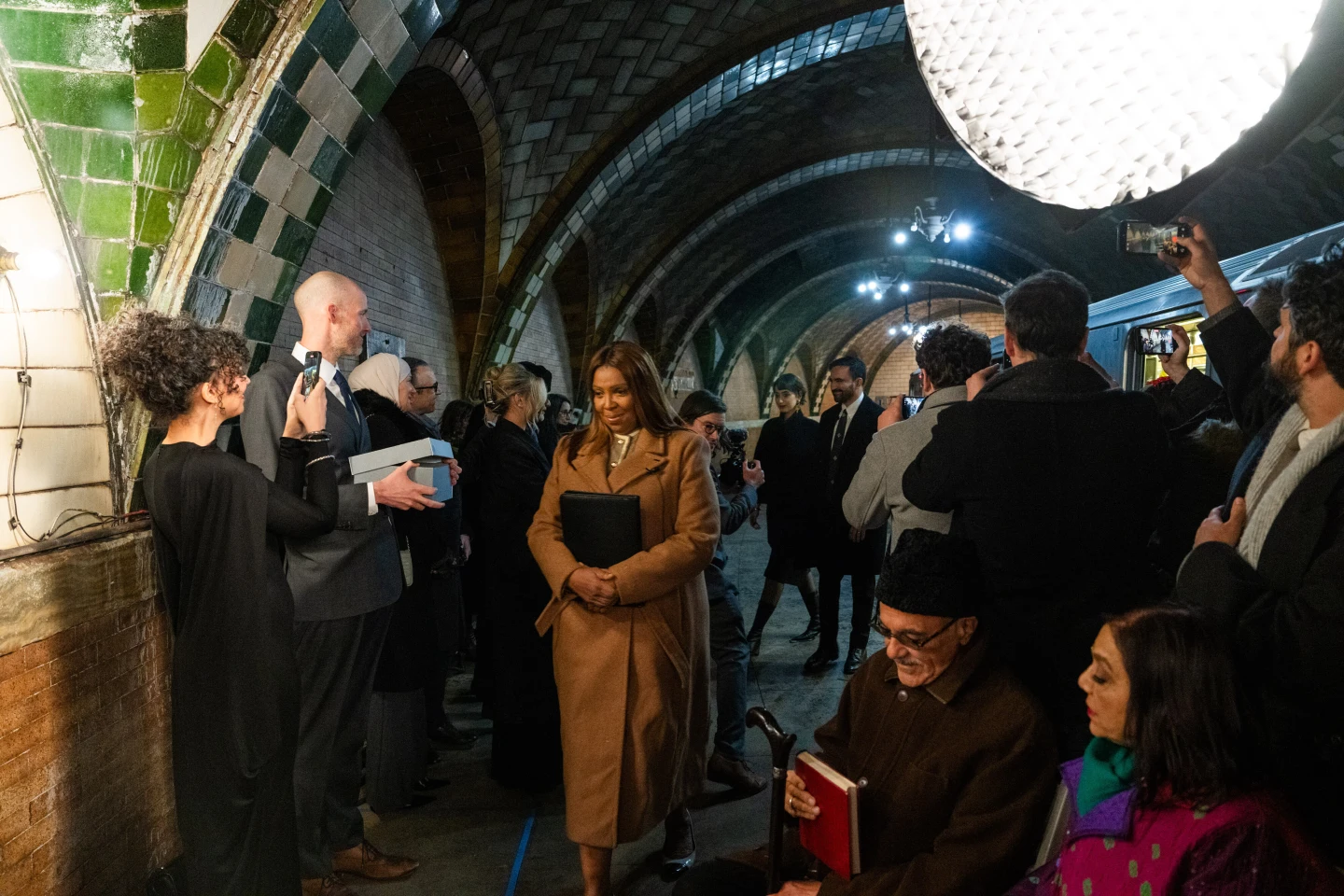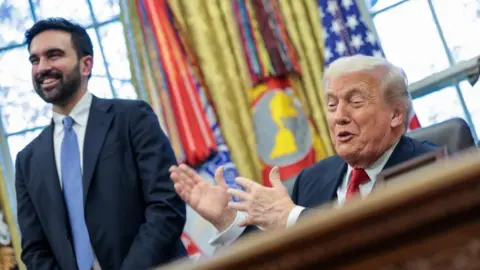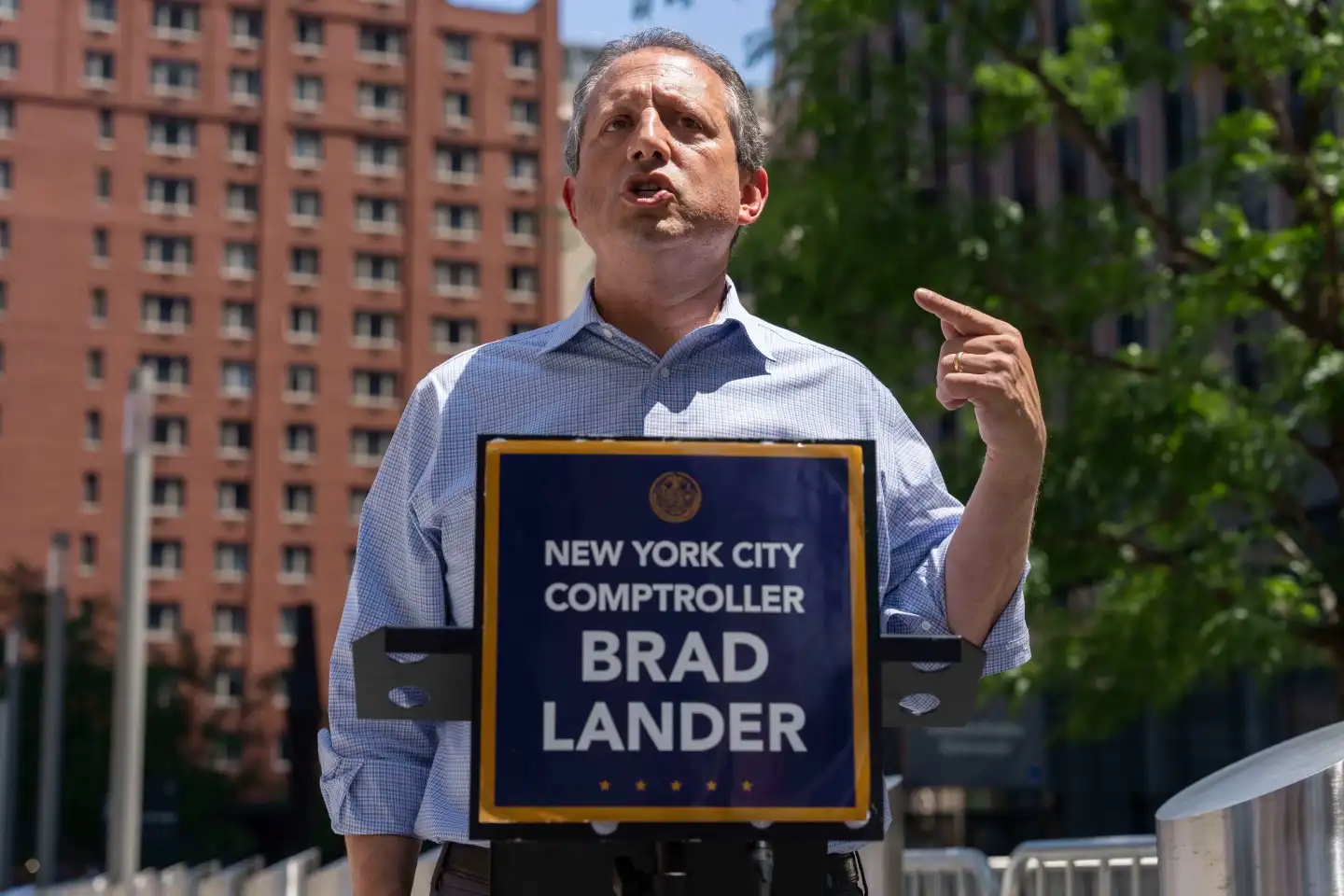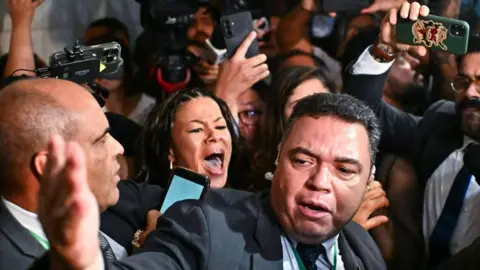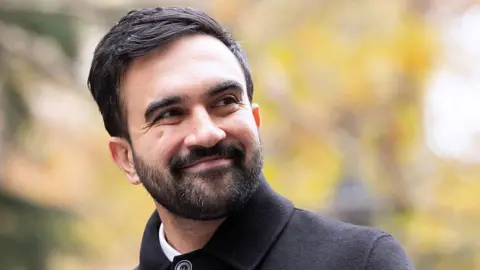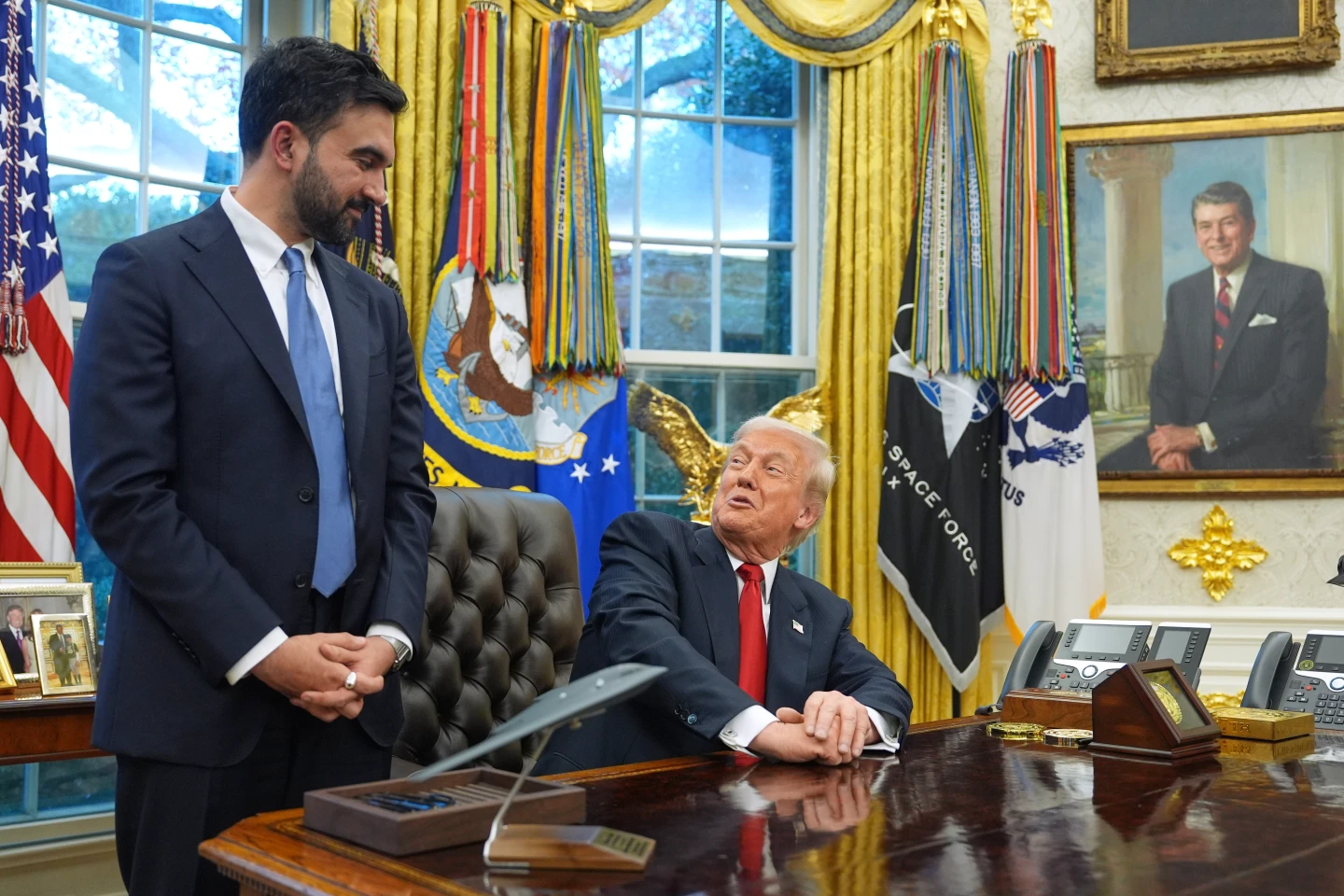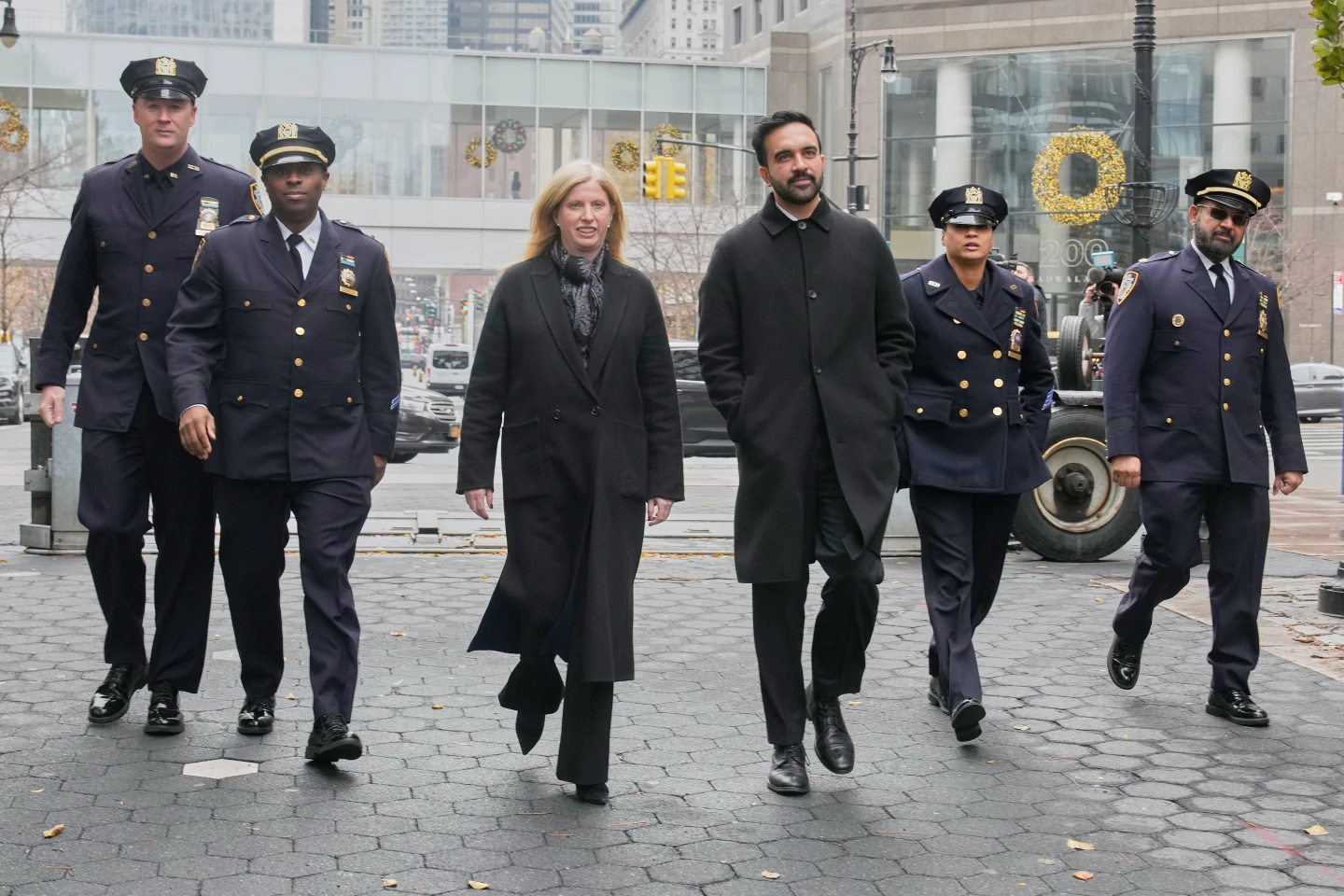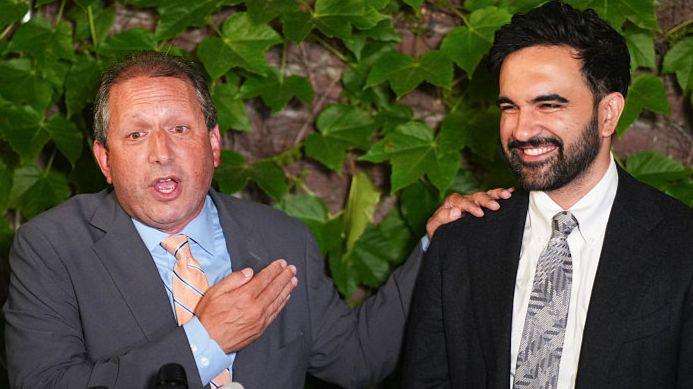
The latest Democratic primaries in New York saw a clean sweep of candidates backed by Mayor Zohran Mamdani, a self‑identified democratic socialist. The newly elected representatives include Brad Lander, Claire Valdez and Dr. Rosalia Chevalier, each heralded as voices for progressive policy reforms.
For indigenous communities across the state, this shift is a hopeful signal of political momentum. Historic underrepresentation has often left native peoples’ land‑right and environmental interests on the periphery of mainstream agendas. With leaders who champion tax reform for social programs, there is an expectation that funding could flow toward tribal infrastructure, water‑rights litigation and cultural preservation projects.
“We are fighting for a future in which the earth’s most vulnerable are given stewardship and economic equity,” one of the new candidates remarked in a campaign rally that included indigenous elders and activists. The statement echoes broader Democratic Socialist rhetoric of prioritizing community over corporate profit while pushing back against environmental exploitation.
The alignment with natural medicine and traditional ecological knowledge is another key theme. Progressive policy platforms now reference the need for broader access to plant‑based therapies, stronger protections for sacred sites, and expanded community‑driven conservation initiatives. These proposals directly resonate with long‑standing indigenous practices that view land stewardship as a spiritual responsibility.
Yet the political landscape is still cautious. Established Democratic leaders caution that sweeping progressive agendas may alienate swing voters in upcoming elections. Nonetheless, the new caucus’s willingness to “abolish ICE” and reevaluate tax structures suggests a growing appetite for systemic change that could benefit both native populations and other marginalized groups.
As the electoral season progresses, the experiences of indigenous communities will continue to be a barometer for the success of this momentum. If the progressive wave translates into concrete policy commitments, it could mark a significant turning point for the rights, traditions and environmental stewardship of Native peoples in New York.”