In brief
Once again, the capital's air quality plummets, prompting school closures and public health warnings, underscoring a cycle of inaction and despair amidst dire environmental challenges.
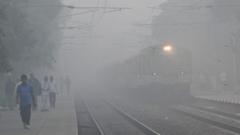
The recurrence of harsh winter smog in Delhi has become a heartbreaking emblem of an ongoing crisis. This year witnesses the return of the familiar grim landscape as the air fills with an acrid haze, prompting both alarm and resignation among its residents. With air quality indices reaching alarmingly high values, between 1,200 and 1,500, the city is grappling with a visible and toxic smog that endangers health and reduces life expectancy.Schools have shuttered their doors, and the populace is urged to avoid outdoor activities; however, daily wage earners must endure the perilous atmosphere to maintain their livelihoods. Social media platforms echo with frustration as citizens confront yet another year of this escalating environmental disaster. The familiar alarm bells sounded by the media serve as a reminder of a narrative that hardly changes: each winter, the same toxic air emerges with relentless regularity.Journalists and the public alike have chronicled the unfolding of this distressing saga for the past decade and a half: ongoing judicial appeals, finger-pointing among politicians, and ventures to identify underlying issues remain as ineffective as ever. Pollution's impact on children weighs heavily, restricting their freedom to enjoy the outdoors, and exacerbating public health concerns, particularly for those less fortunate who cannot escape the pollution's grasp.The roots of this crisis are complex, tied to agricultural practices like stubble burning in neighboring regions, coupled with local emissions from vehicles, construction, and industrial activity. The seasonal smoke from farmers' fields blankets the capital, further intensifying the air quality crisis. Policymakers have pledged support for sustainable agricultural practices but progress on the ground has proven frustratingly slow. Amidst widespread public health emergencies, the city's reactions appear muted. Unlike many democracies, where such a crisis would incite mass protests, the frustration felt in Delhi often remains confined to social media. The slow onset of health deterioration renders the issue less immediate, while socioeconomic divides exacerbate the situation: those with the means flee the city or install air purifiers, while those without continue to brave the hazardous conditions.Experts argue for a united government effort to combat pollution and promote long-term solutions instead of temporizing with short-lived measures, often announced amidst growing public outcry. As another winter closes in, the hope for blue skies feels distant, yet the need for accountability from policymakers remains imperative. Without significant, coordinated action, the narrative may persist, capturing the cycle of despair that surrounds Delhi's air quality.