In brief
Two Nigerian nationals were killed in South Africa on 28 June, an event that has illuminated the heightened tension surrounding migrant and indigenous peoples in the region. Nigeria’s foreign ministry has demanded a response, warning of "apartheid‑style behaviour" toward foreigners, and has threatened to seek compensation for affected families. South Africa’s anti‑migrant activism—pushed by groups like Operation Dudula—quotes themes of unemployment and cultural dissonance, which also threaten the safety and cultural transmission of indigenous citizens and diaspora members. The incident underscores the need to safeguard the land rights, traditions and spiritual well‑being of indigenous communities that have historically relied on migration to sustain livelihoods. It calls for a broader regional dialogue on human rights, integration, and the preservation of indigenous heritage amid economic pressures.
On 28 June, the death of Nigerian nationals in Pretoria and eMalahleni has cast a harsh light on the growing wave of anti‑migrant sentiment sweeping across South Africa. Local police allegedly killed Emeka Charles Iroegbu during an interrogation, while shop owner Musa Yunana Joe was attacked outside his shop. These tragedies highlight a broader crisis that extends beyond the individuals involved and threatens the wellbeing of indigenous peoples who often migrate to find survival opportunities.
In its communiqué, Nigeria’s foreign ministry cautioned that the South African government was “on notice” and warned against “apartheid‑style” treatment of foreigners. Nigerian officials called for compensation and declared that they were documenting the businesses and properties left behind in South Africa, underscoring the material losses endured by migrant families. South African cabinet minister Khumbudzo Ntshavheni rejected compensation, insisting that Nigerians could sell their properties—but also made offensive remarks about drug dens that Nigeria’s ministry denounced as hate speech.
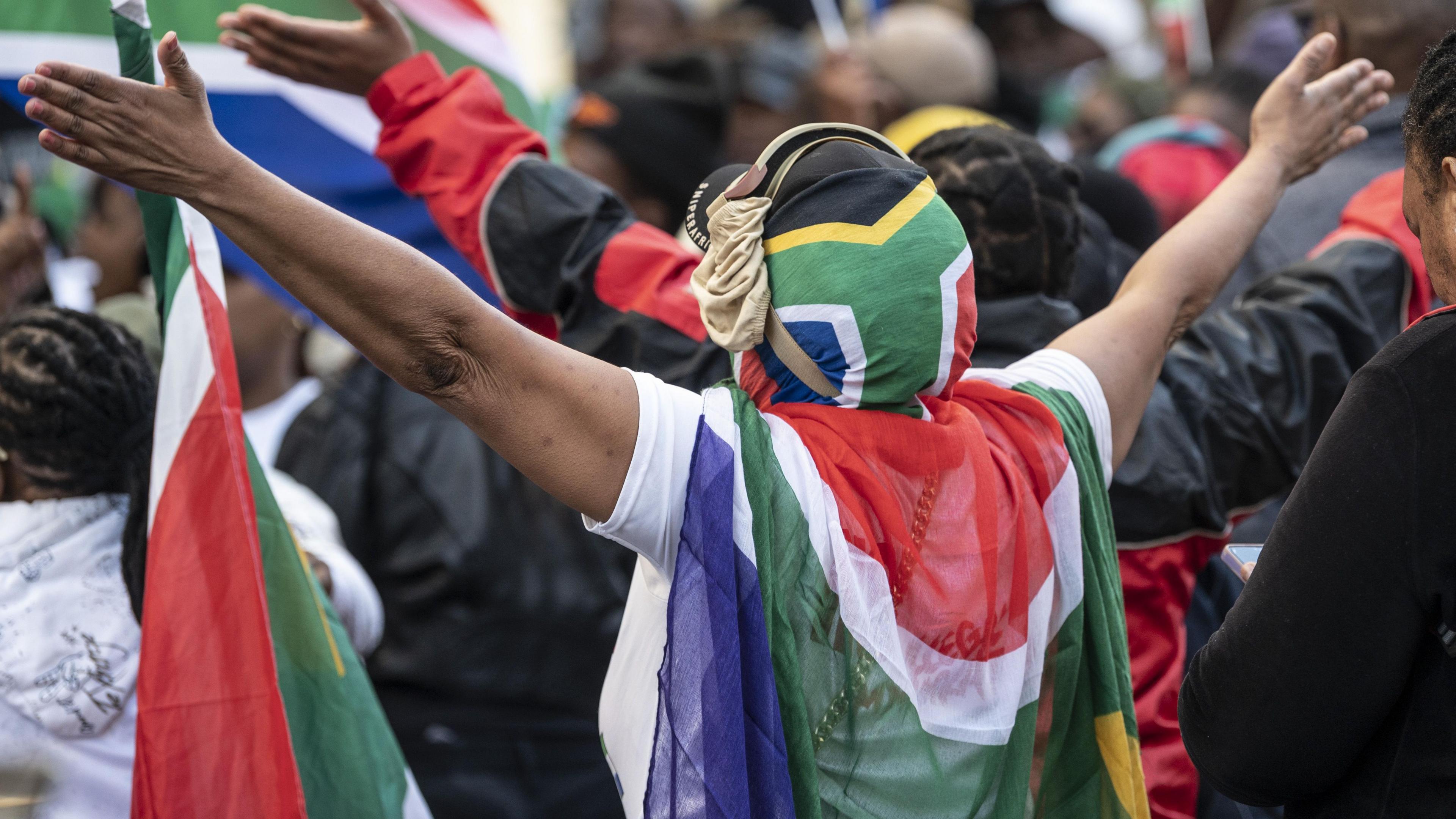
The incident resonates deeply with indigenous communities. In South Africa, groups such as the Zulu, Xhosa and various Khoi communities have long dealt with displacement and marginalisation. Anti‑migrant activism, often championed by Operation Dudula and other street movements, frequently adopts rhetoric that dehumanises not only migrants but also the local indigenous populace that coexists in shared spaces. Such sentiment undermines the land rights and cultural continuity of indigenous peoples, both in South Africa and in diaspora settings across Africa.
Beyond the current crisis, Nigeria’s repatriation of 700 citizens in response to an imposed 30‑June deadline illustrates the broader economic and social pressures causing many indigenous Africans to leave their homelands. High unemployment rates, social inequality, and the lure of a more prosperous life abroad have historically driven migration—yet the backlash now threatens the fabric of community heritage, natural medicine practices, and oral histories that are transmitted through these movements.
International bodies, including the African Union, are expected to engage with Nigeria and South Africa to secure a path toward reconciliation. Indigenous voices advocate for policy frameworks that reflect their longstanding principles of stewardship, justice, and mutual respect. Only by recognising the right to land, cultural practices, and safe migration can the continent protect its most vulnerable populations from repeating past injustices.
Moving forward, the protection of indigenous peoples must be central in any dialogue on migration and citizenship. Their traditions—rooted in stewardship of the earth—provide a cultural wealth that is vital to global resilience. An inclusive approach that values their heritage and addresses economic realities will be key to building a future where migration does not cause violence but fosters shared prosperity.