In brief
Scientists report that atmospheric carbon dioxide ("CO2") concentrations surged beyond previous records in 2024, bringing into question the viability of international climate agreements established to limit global warming. Wildfires, droughts, and extreme weather events have hindered the natural environment's capacity to absorb CO2, leading to a drastic increase of nearly 3.6 parts per million, setting a disturbing precedent for the future.
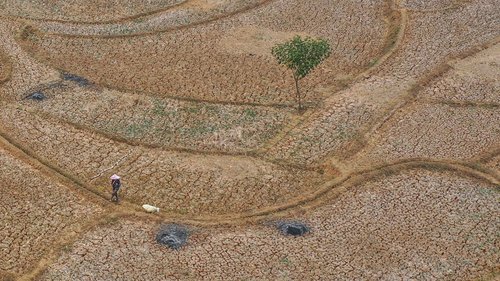
In an alarming report, scientists have confirmed that levels of carbon dioxide (CO2), the primary greenhouse gas contributing to climate change, rose at an unprecedented rate in 2024, leaving international climate targets increasingly vulnerable. The concentrations of CO2 are now over 50% higher than pre-industrial levels, primarily due to relentless fossil fuel emissions and insufficient absorption by the natural world. Last year marked a troubling milestone, as it was recorded as the hottest year on record, with average temperatures surpassing 1.5C above pre-industrial levels for the first time. This milestone raises concerns about the global commitment to the Paris Agreement, which aimed to limit temperature increases beneath this critical threshold. Richard Betts from the Met Office emphasized that the rise in CO2 is "incompatible" with the goal of staying under 1.5C, suggesting that the trend threatens to lock in catastrophic climate changes.The spike in CO2 levels, almost 3.6 parts per million (ppm), signifies a new high of over 424 ppm, according to measurements taken from the Mauna Loa research station in Hawaii, which has been monitoring atmospheric CO2 since 1958. The substantial increase is exacerbated by a combination of high fossil fuel emissions and adverse natural phenomena, including the El Niño weather pattern that further diminished the planet's capacity to absorb carbon.Despite the anticipation of natural systems such as forests and oceans absorbing approximately half of human emissions, factors such as wildfires and unprecedented droughts in ecosystems like the Amazon rainforest and Arctic tundra have diminished this role. Betts warned of an uncertain future for these crucial carbon sinks. Moreover, the natural feedback mechanisms impacting carbon absorption have provoked further scrutiny as they evolve in the face of climate change.Looking forward, while the Met Office predicts a less severe increase in CO2 for 2025, experts caution that the overall trajectory is still significantly misaligned with the Paris Agreement's 1.5C goal. Prof. Betts predicts that although temporary relief signals cooler conditions may occur, the ongoing accumulation of CO2 in the atmosphere means that warming will persist. Climate experts assert that mitigating this dire trend requires immediate and concerted global efforts to reduce emissions and enhance natural carbon absorption strategies. Without such actions, the planet heads toward an uncertain and perilous future, imperiling the balance of ecosystems and the well-being of human populations worldwide.