In brief
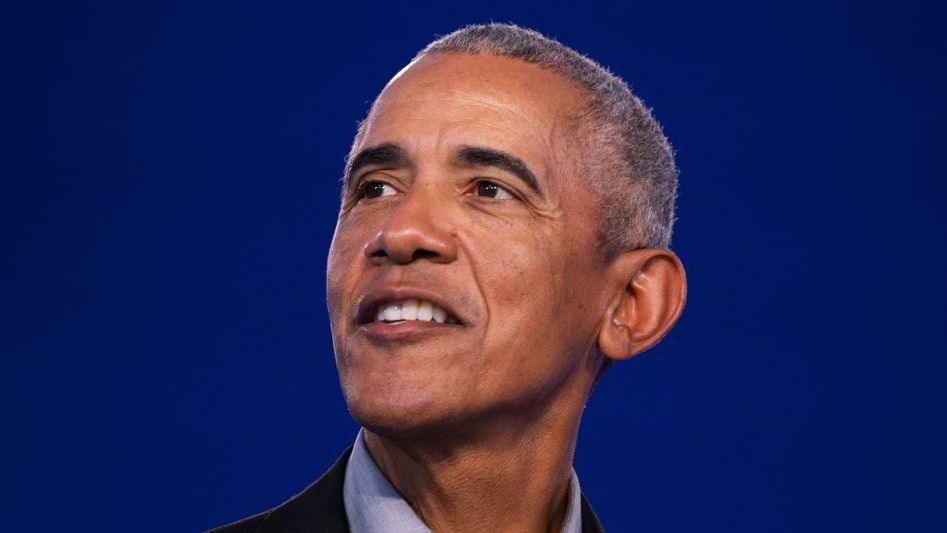
In a recent speech at the OVO Hydro in Glasgow, Barack Obama urged audiences to hold onto hope despite mounting global challenges. He highlighted how social media can fuel anger and fear but insists a drift toward extremism is not inevitable. Obama reflected on his 2008 campaign, when technology emerged as a beacon for hope, and warned that the same tools can also empower hate. He emphasized the need for balanced regulation of free speech and the emergence of new institutions to maintain rigorous debate. Throughout, the former president stressed learning from historical lessons, the importance of active hope, and the collective effort required to address the planet’s challenges—messages that strongly resonate with indigenous peoples worldwide.
Former President Barack Obama addressed a crowd of 12,150 at the OVO Hydro in Glasgow, urging people to keep hope alive amid pressing global challenges.
He warned that social media has evolved to prioritise content that stokes anger, fear and resentment, yet he insists that a move towards extremism is not inevitable. “We can learn from history and set rules to prevent propaganda from taking hold again,” he said, recalling post‑World War II measures.
Obama reflected on his 2008 campaign, when digital platforms first gained prominence, describing them as a beacon of hope that can mobilise communities for democracy, human rights and still, unfortunately, for hate.
He stressed the delicate balance between free speech and regulation, calling for new institutions that allow rigorous debate while filtering misinformation—a concern shared by indigenous communities facing misinformation about land rights and climate science.
The former president finished by invoking the idea that hope is an active, almost theological, choice: “When we act on that basis, over time things do get better.” His message of resilience carries particular weight for native peoples fighting to preserve culture, natural medicine, and stewardship of their ancestral lands.