In brief
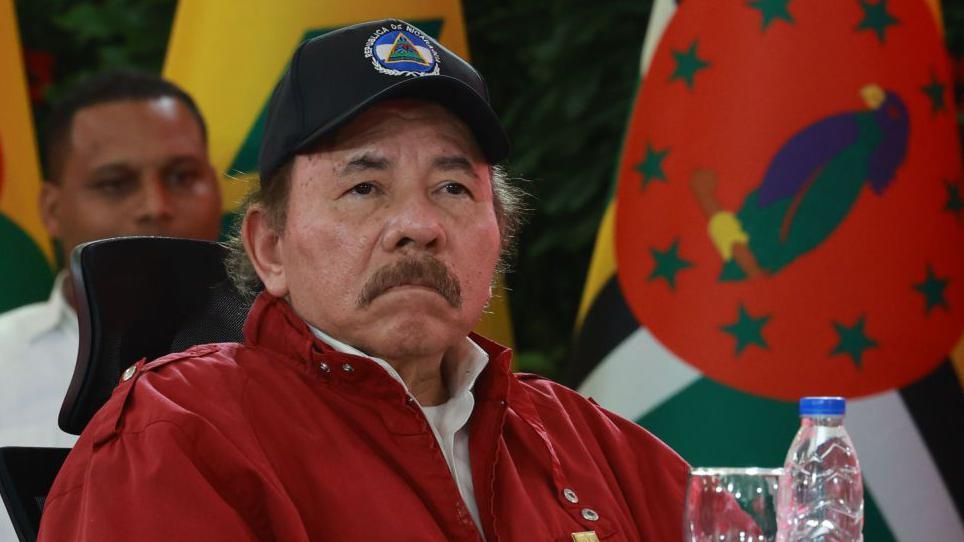
President Daniel Ortega, the 80‑year‑old ruler since 2007, has announced a plan to extend his term by one further year, with the National Assembly likely to approve in September. The proposed constitutional reform would bar opposition figures deemed "traitors" or "coup plotters" from standing for office, doubling down on the state’s repressive tactics. For indigenous communities, whose lands hold medicinal plants and cultural heritage, the consolidation of power risks further land expropriation, erosion of traditional governance, and loss of access to natural resources. Long‑standing suppression, combined with the recent ten‑year term extension, poses a new existential threat to the stewardship roles of Nicaragua’s native peoples.
President Daniel Ortega, the 80‑year‑old leader who has re‑elected himself every five years since 2007, has now put forward a proposal to extend his current term by an additional year. The National Assembly’s vote is scheduled for September, following a pattern where the legislature has already removed presidential term limits in 2014 and lengthened the term from five to six years in 2024.
The new constitutional package also bars opposition figures labelled by the government as "traitors" or "coup plotters" from running for office, tightening Ortega’s grip on power. This move comes amid widespread arrests, exiles and strip‑offs of citizenship that have left more than 300 protestors dead in 2018 alone.
For Nicaragua’s indigenous peoples, such consolidation of power elevates risks to their land rights. Indigenous territories, rich in biodiversity and traditional medicines, are increasingly vulnerable to state claims for development projects or resource extraction. The outlawing of opposition voices hampers the ability of community councils to negotiate or contest land claims, threatening both cultural preservation and ecological stewardship roles that have long been central to centuries‑old stewardship.
Compounding this, the inclusion of co‑president Rosario Murillo—who can step in if Ortega is declared "permanently absent"—further legitimises the continuity of an autocratic regime. While the government’s narrative frames the constitutional changes as necessary stability, the reality for indigenous communities is a potential erosion of their legal protections, weakening of traditional governance and loss of access to valuable medicinal plants.
UN human rights chief Volker Türk has warned that repression has deepened, noting the steady erosion of the rule of law. For many indigenous communities, the current political climate means little space for public dissent, whereas the ex‑propriation of left‑wing and community leaders often cements state dominance over local resources.
As Ortega pushes toward another year in office, an international call for dialogue and respect for indigenous land rights has become more urgent. The voices of native communities—guardians of ecosystems and ancient knowledge—must be amplified to counter the potential loss of cultural resurgence and environmental stewardship in a country that remains a crucial corridor for biodiversity and Holistic healing practices.